
Enterprise Resource Planning (ERP) & Finance Systems
We build and modernize the core ERP and finance systems your business runs its numbers on, so month-end close and financial reporting are trustworthy, not a reconciliation exercise.

We build and connect the ERP, supply chain, HR, CX, procurement, and analytics systems enterprises run on, so growth doesn't stall between tools that don't talk to each other.
Most enterprises don't lack technology, they lack one system that works as a whole. We build and connect ERP, supply chain, HR, CX, procurement, and analytics as one coordinated stack, not seven disconnected vendor relationships.
We build every vertical against the same integration layer from the start, so growth doesn't turn into a patchwork of systems that don't talk to each other.
Inventory changes show up in finance automatically without manual export or re-keying across teams.
A new hire in HR flows into payroll and IT provisioning without three separate manual tickets.
The system stays coordinated as you add verticals, not a growing pile of disconnected point solutions.

Seven core capabilities connected across one unified integration and analytics layer.
We build and modernize the core ERP and finance systems your business runs its numbers on, so month-end close and financial reporting are trustworthy, not a reconciliation exercise.

We build the planning, inventory, and logistics systems that give you real visibility into what you can actually deliver and when, instead of a forecast built on last quarter's spreadsheet.
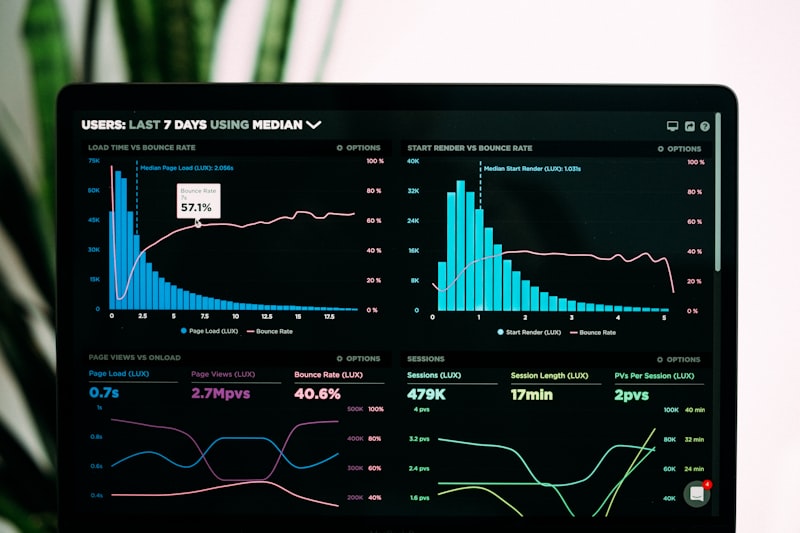
We build HR and workforce systems that keep payroll, benefits, and performance data in one place, so HR isn't reconciling three different systems to answer one headcount question.
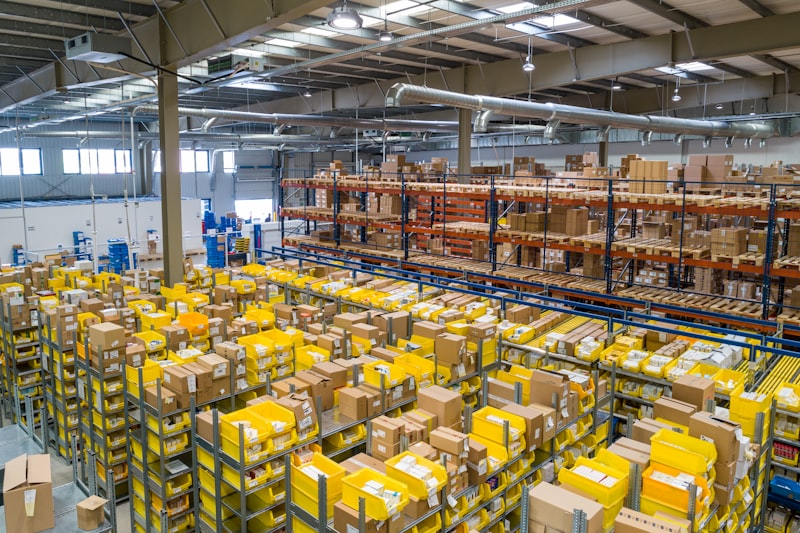
We build customer experience and CRM platforms that give sales and service teams one shared view of the customer, instead of three tools with three different answers.

We build procurement and sourcing systems that give finance real visibility into committed spend, so budget surprises get caught before the invoice, not after.
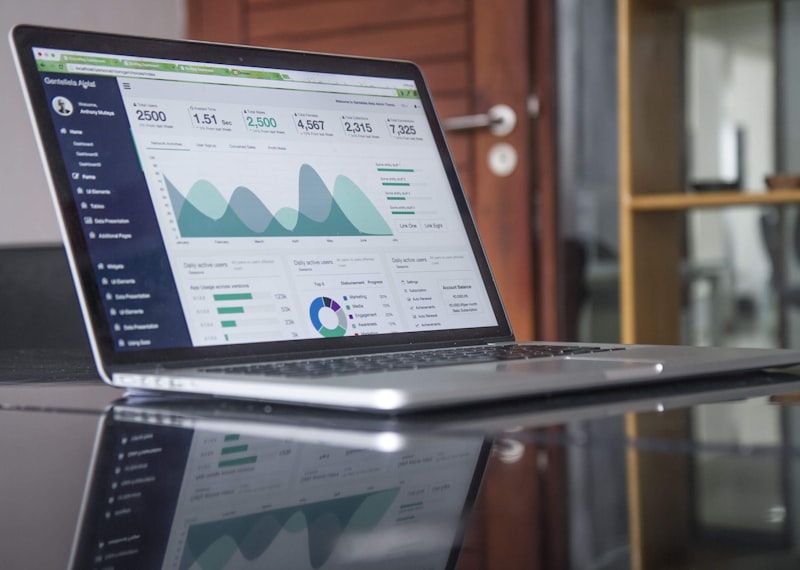
We build the integration layer that connects these systems to each other and to what you already run, so data moves automatically instead of getting re-keyed by hand between platforms.

We build the analytics and embedded AI layer on top of these systems, turning operational data already sitting in them into forecasts and recommendations someone actually acts on.
Connecting consulting to growth & impact, bringing together news, insights, articles, and decisions that shape the future.
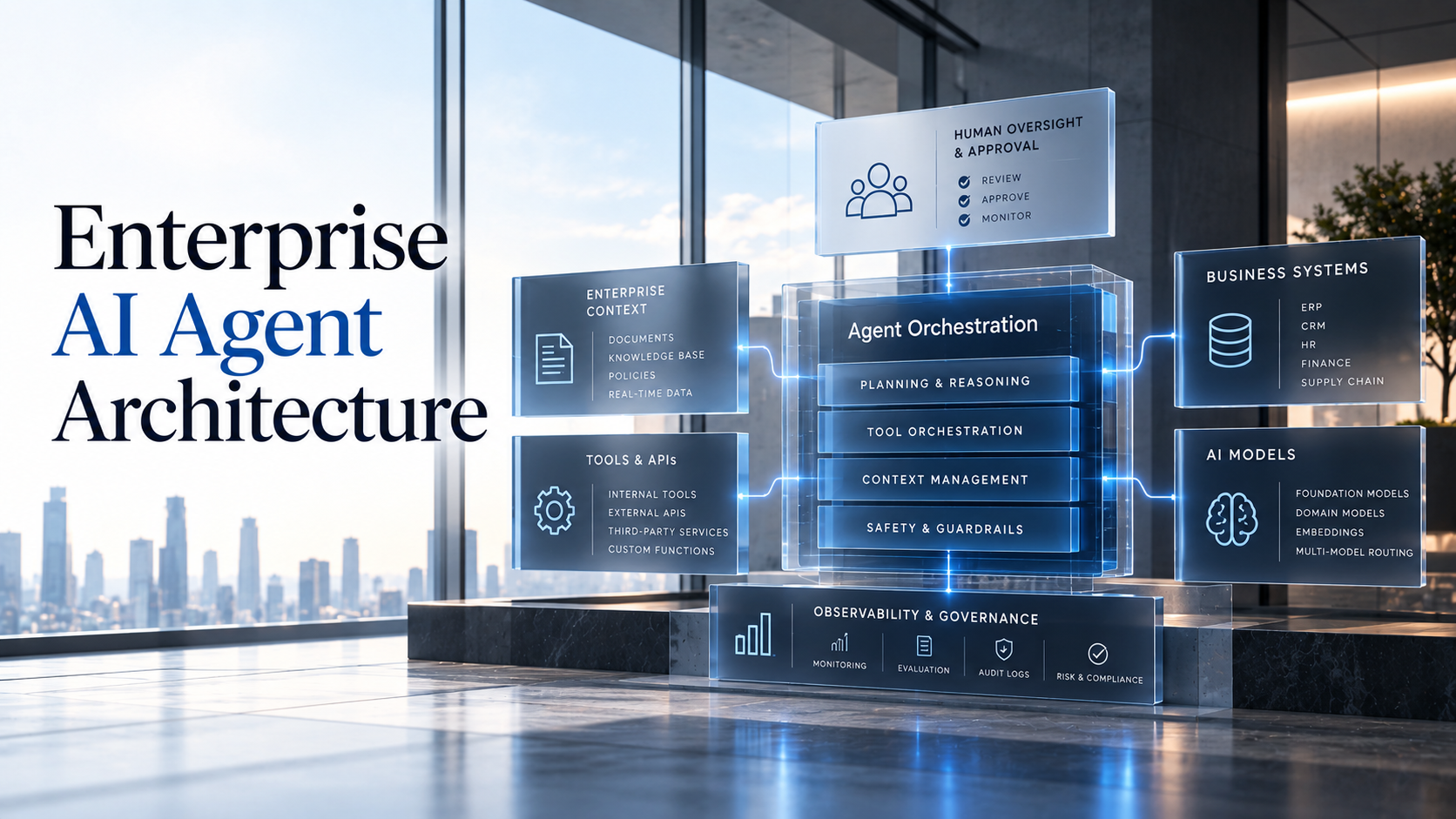
Moving AI agents from pilot to production requires more than a capable model. Explore seven architecture requirements for reliable, secure and scalable enterprise AI agents.
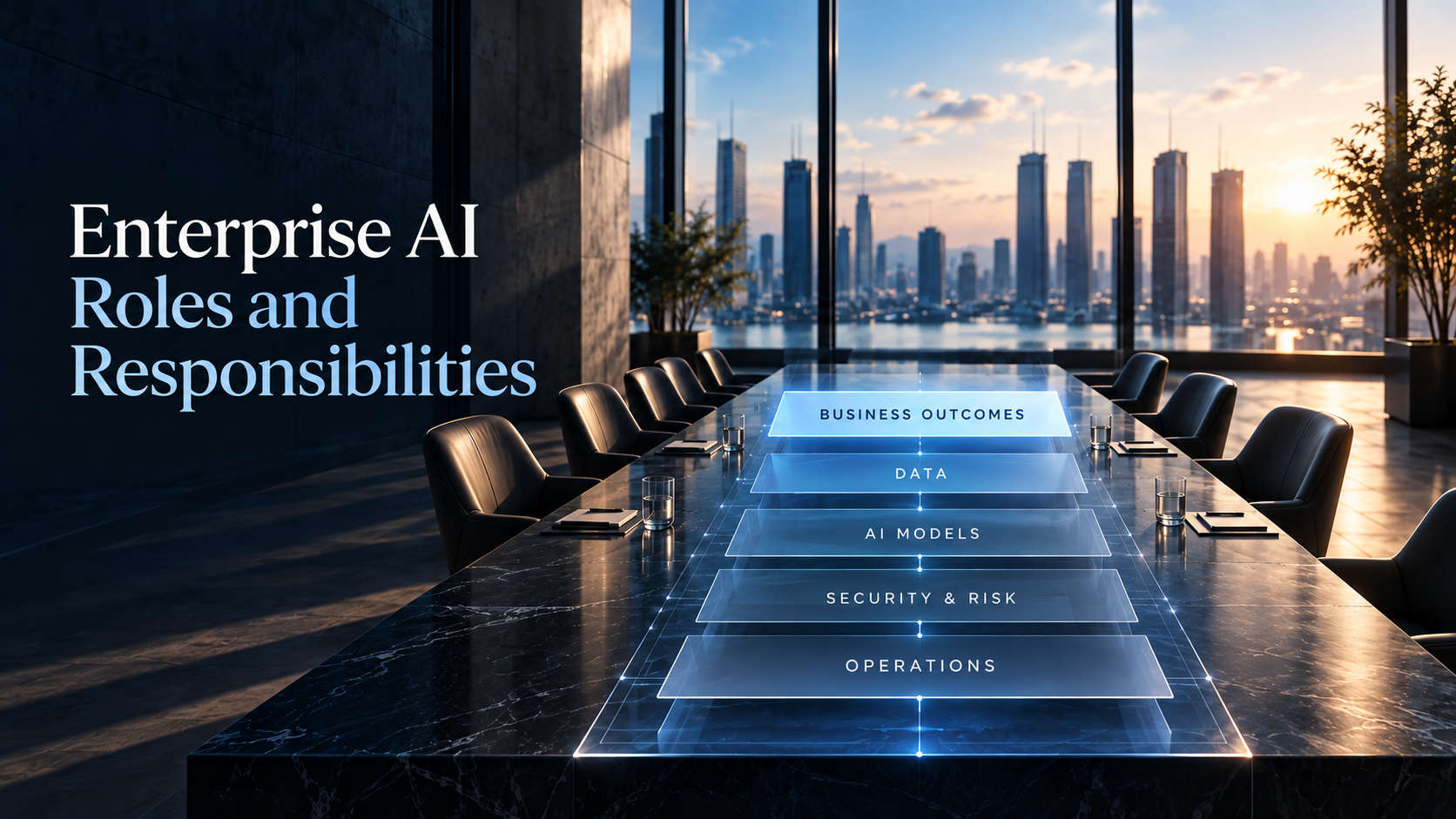
Learn how to define enterprise AI roles and responsibilities after deployment, including ownership across business, technology, data, risk, security and operations.
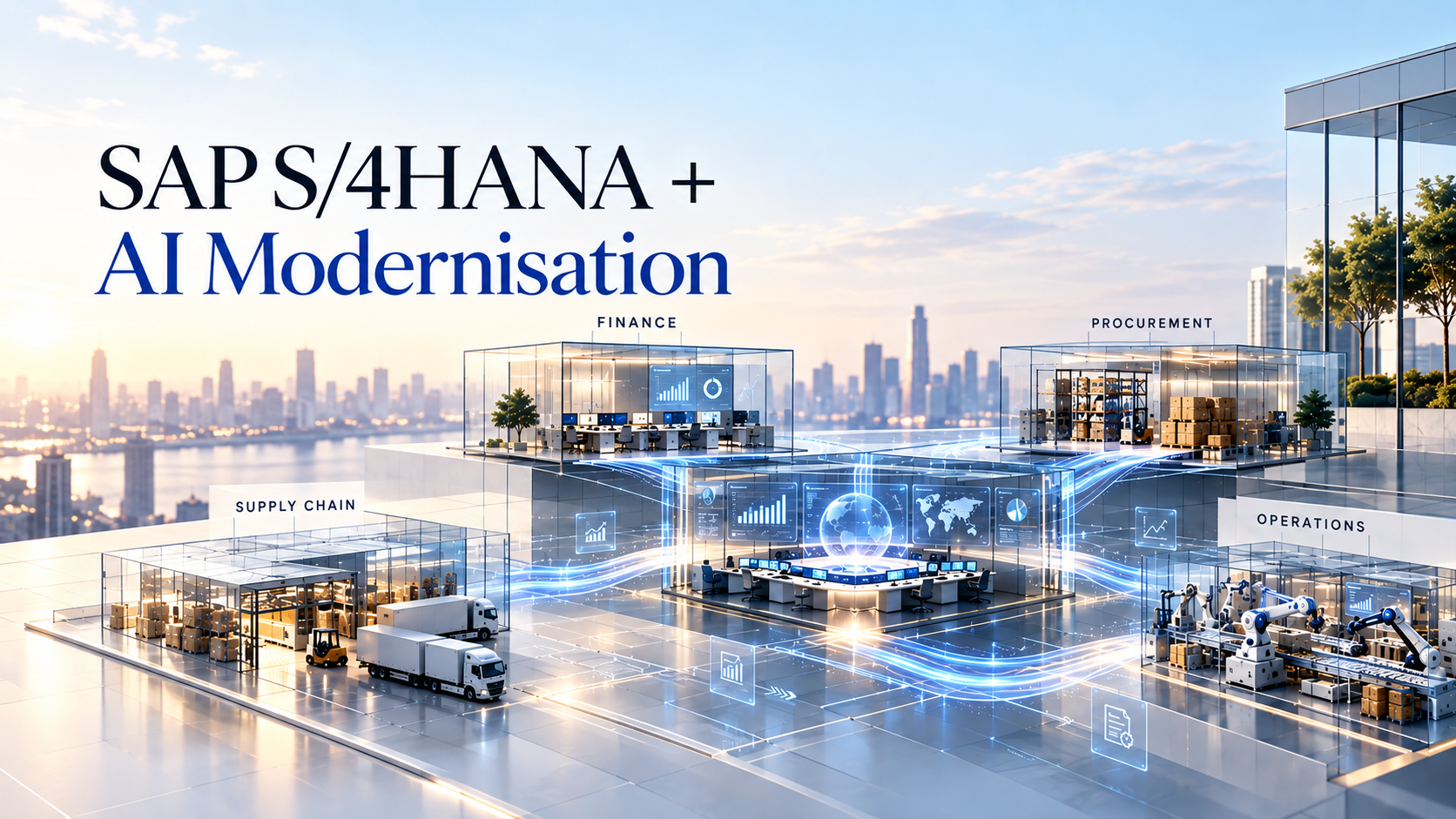
Explore where AI can add value during SAP S/4HANA modernisation, where it should wait, and how to prioritise AI without adding unnecessary complexity.
Everything you need to know about FWC's sap engineering, consulting, and deployment practices
You don't have to replace what you're running to get this. We build and connect these seven verticals around what you already have where it's still serving you, and modernize the specific piece that's actually the bottleneck, so consolidation is about the integration layer connecting everything, not a forced rip-and-replace of tools your teams already know.
Separate contractors building separate systems is exactly how most enterprises end up with an ERP, HR platform, and CRM that don't talk to each other. We build every vertical against the same integration layer described in Connected by Design, so the systems arrive already able to share data instead of needing a second project later to connect them.
No. The 7 verticals stand on their own. Business Analytics & AI is built as a layer on top of the operational systems, not a mandatory bundle, so you can start with the core vertical you actually need and add the analytics layer when it makes sense for you.
That's a normal starting point, not a special case. Enterprise Integration & Platform Services builds the connective layer between systems, whatever state they're in today, so getting HR, finance, and other verticals talking to each other is the actual project, not a prerequisite you have to solve before we can start.
A connected system means a defined integration layer with access controls per system, not shared logins across every platform. Each vertical keeps its own access boundaries, and the integration layer moves only the data each connected system is authorized to receive, so connecting systems doesn't mean widening who can see what.
Yes. Each of the 7 verticals is scoped and delivered on its own, and Enterprise Integration & Platform Services is what lets a second or third vertical plug into what's already running instead of starting the integration work over from scratch.
Let’s turn business challenges into opportunities.