


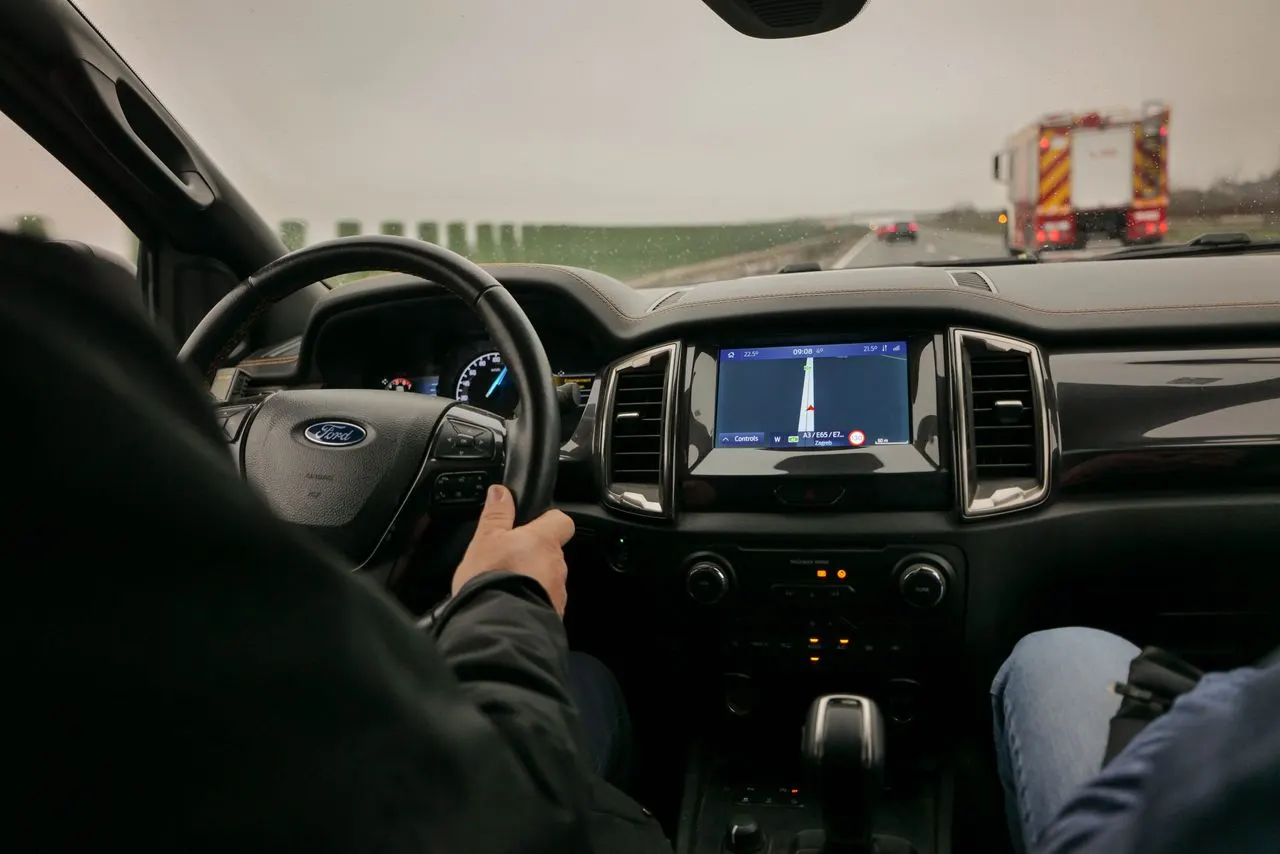
Software-Defined Vehicle Platforms
We engineer vehicle middleware, service-oriented architecture, and cloud back-ends that separate software from hardware, so OEMs deliver new features across models without redesigning electronic control units.

FWC builds connected vehicle solutions, EV charging software, and AI-powered data platforms that help OEMs, suppliers, and mobility providers move faster.
Vehicles now ship with more code than many enterprise applications. OEMs and suppliers must deliver new features over the air, manage huge telemetry streams, secure connected systems, and support an expanding EV charging ecosystem, all while meeting strict safety expectations.
FWC provides automotive software development services that span vehicle to cloud. We engineer telematics and connected services, EV charging platforms, ADAS data pipelines, and fleet intelligence, combining embedded, cloud, and AI expertise in one accountable team.
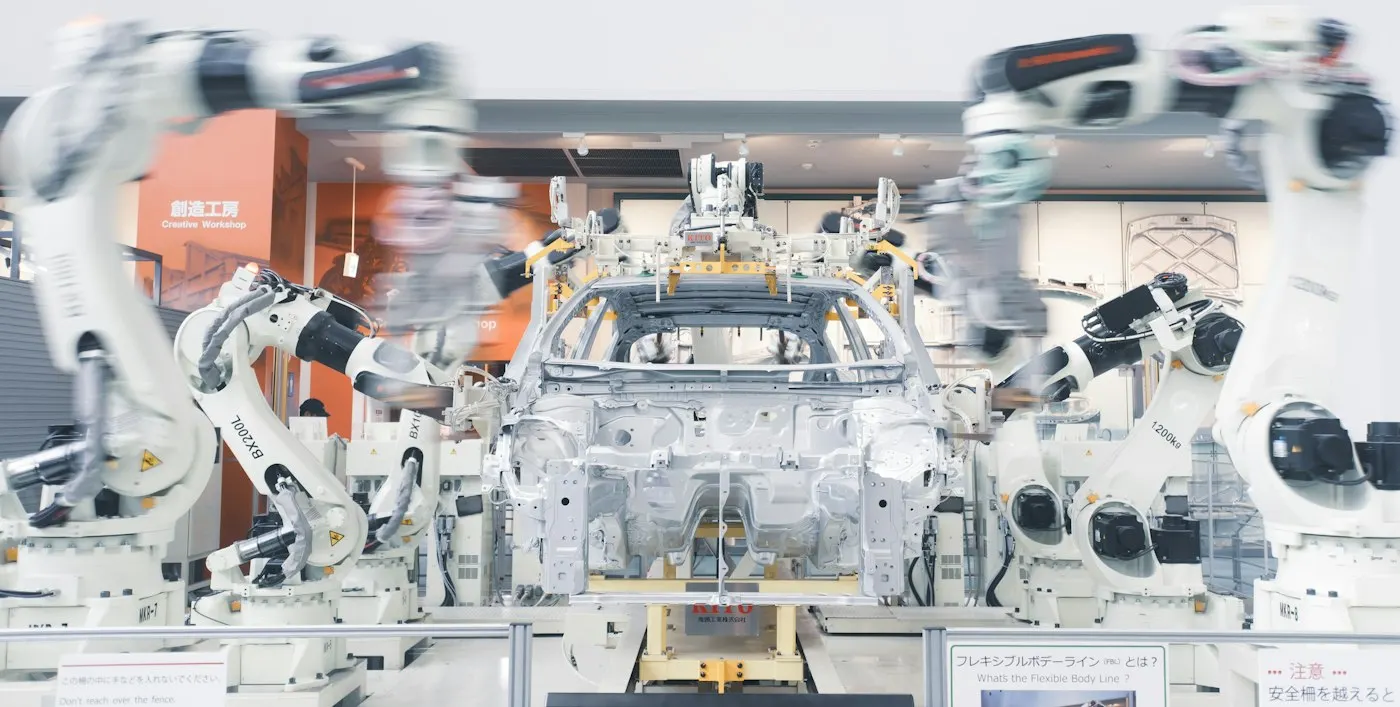
Software-defined vehicle programs require cloud, embedded, and data teams to work as one.
Drivers abandon charging networks with failed sessions and poor app experiences.
Connected fleets produce more data than teams can process or use.
Limited battery analytics makes range, warranty, and resale planning difficult.
We engineer vehicle middleware, service-oriented architecture, and cloud back-ends that separate software from hardware, so OEMs deliver new features across models without redesigning electronic control units.
FWC builds telematics platforms for remote services, diagnostics, and vehicle health, with vehicle-to-cloud data pipelines that ingest and process signals from fleets of any size.
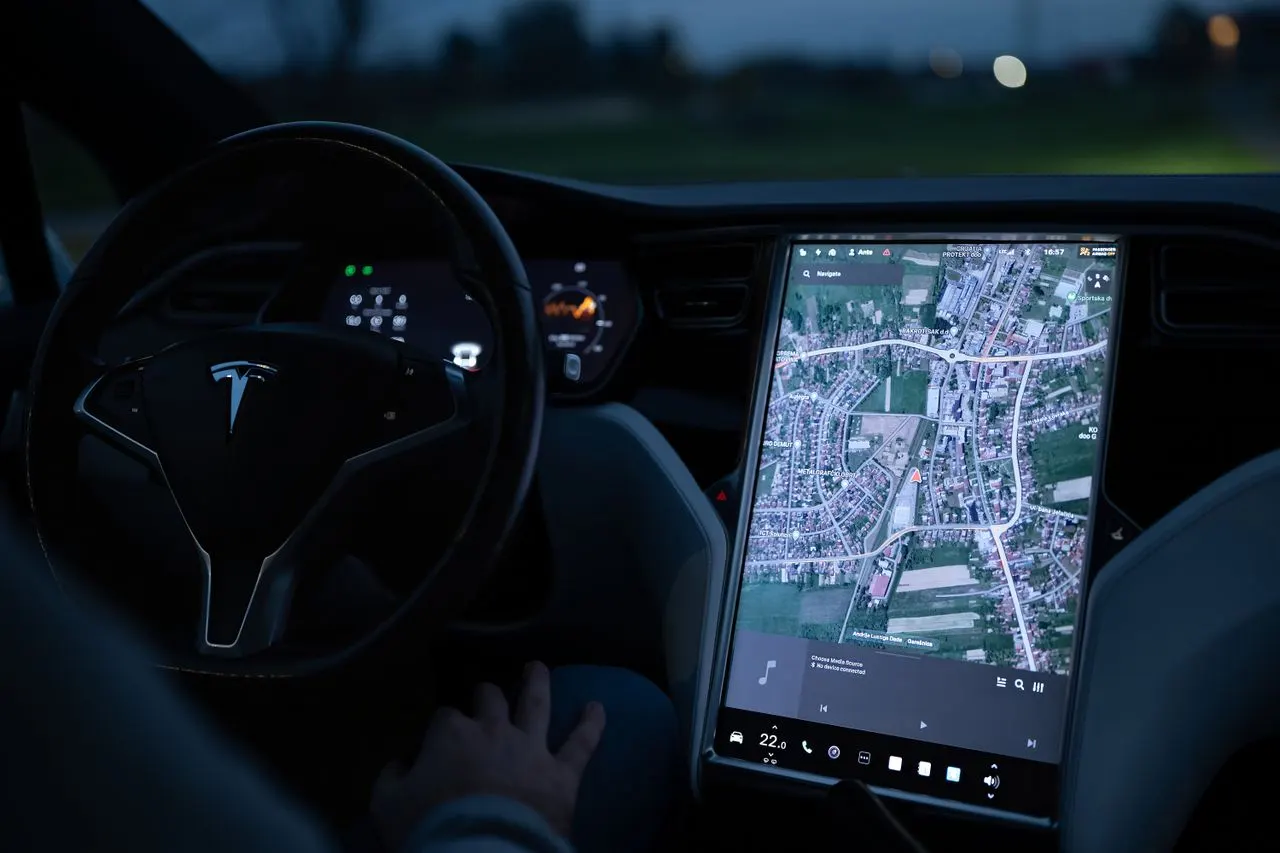
Our teams develop in-vehicle applications, digital cockpit interfaces, voice interaction, and companion mobile apps, designed for driver safety, fast response, and a consistent brand experience.
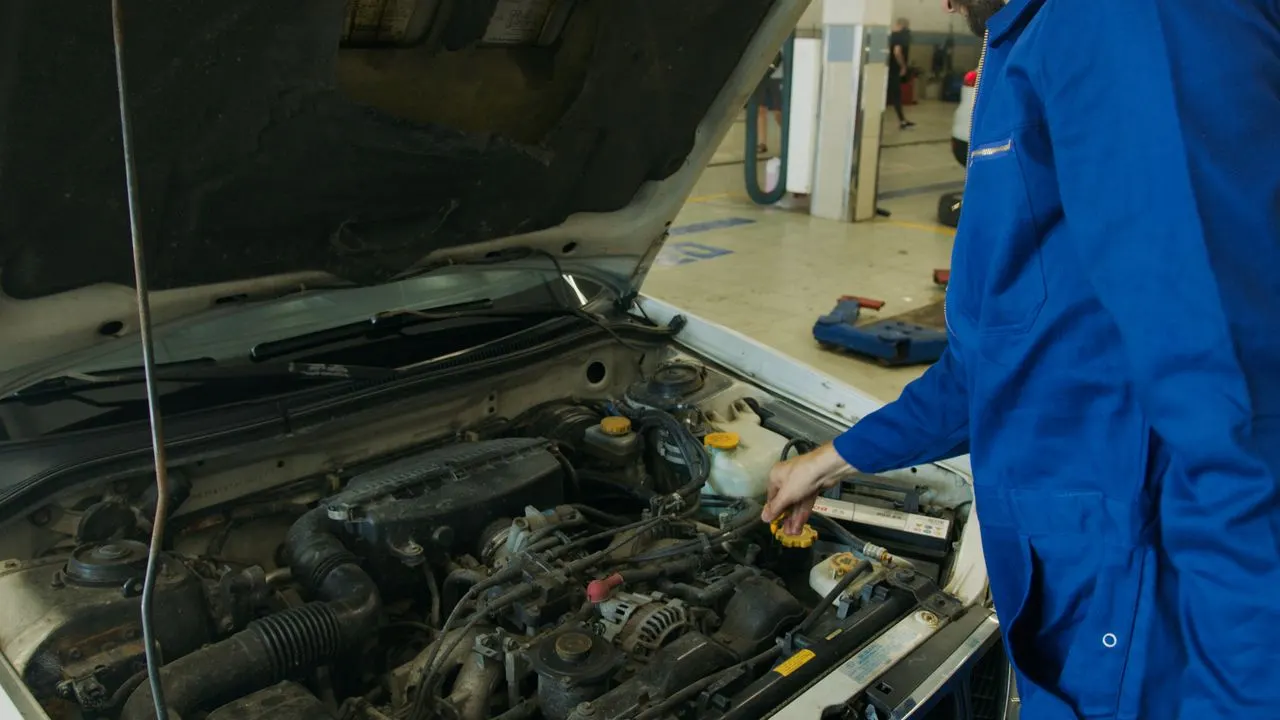
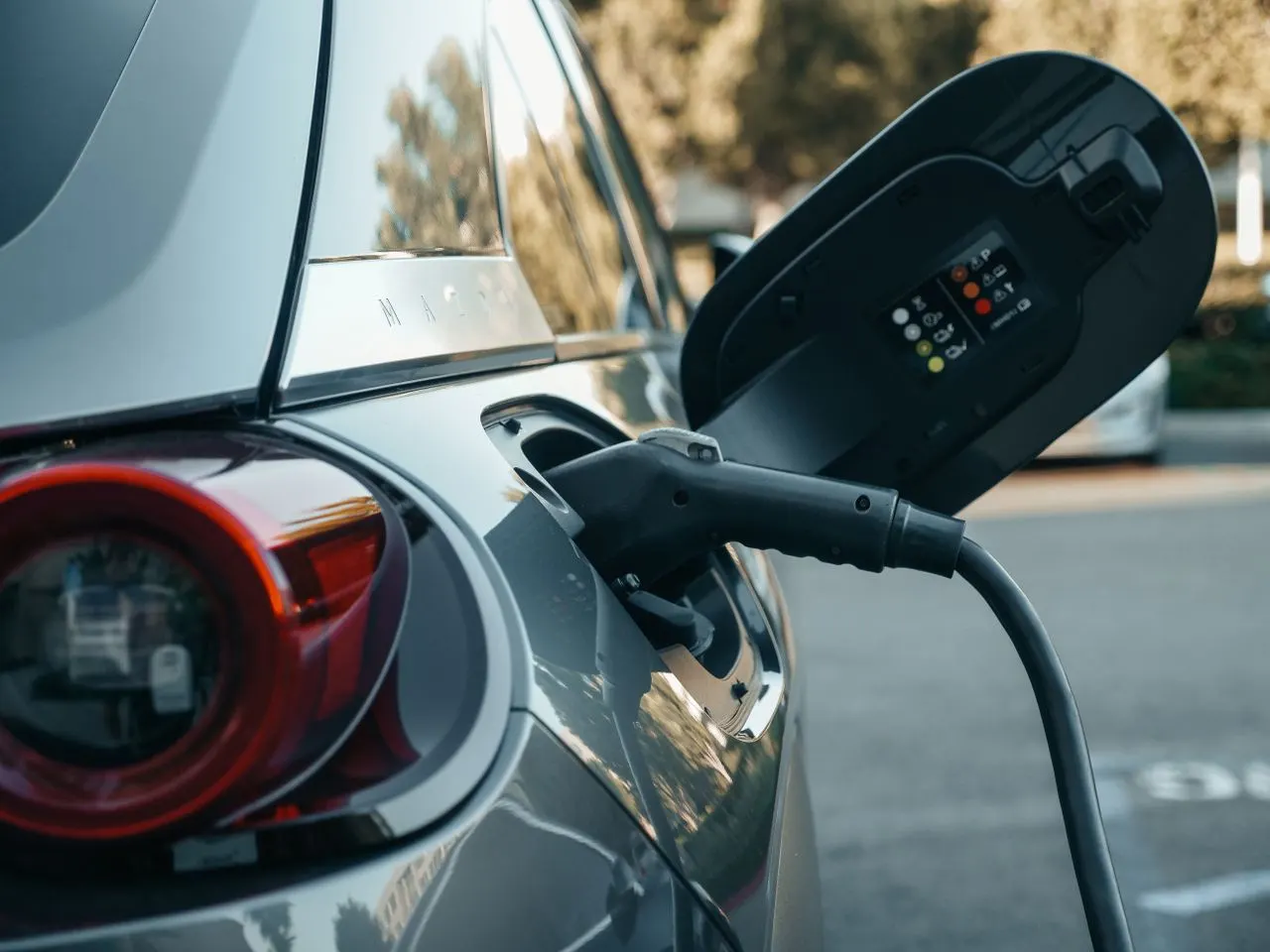
We build charge point management systems with OCPP integration, smart charging, roaming, payments, and driver apps, helping networks improve charger uptime and session success rates.
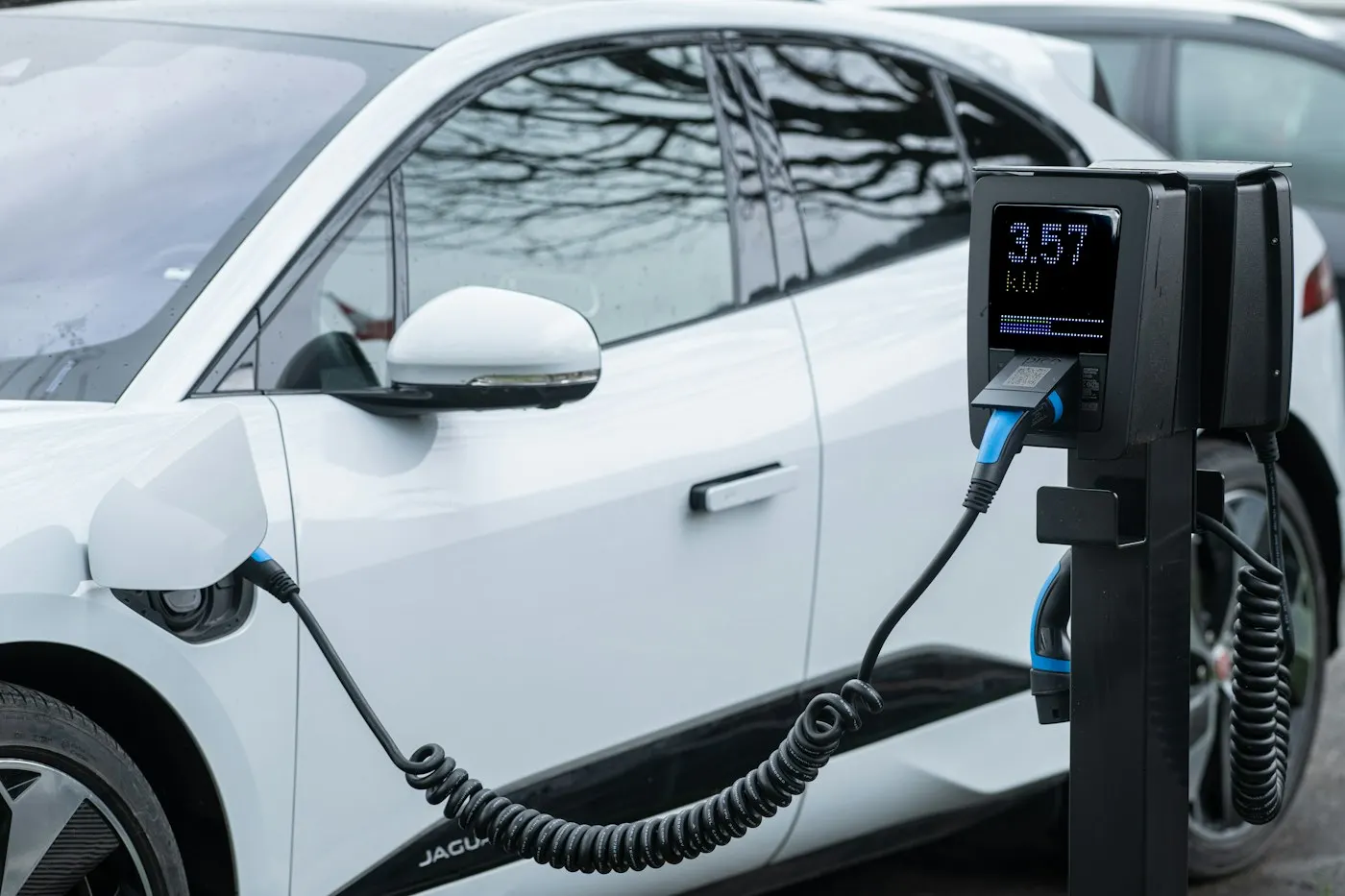
FWC creates pipelines that ingest, curate, and label sensor data, and supports simulation and scenario testing, giving ADAS development teams reliable datasets for training and validation.
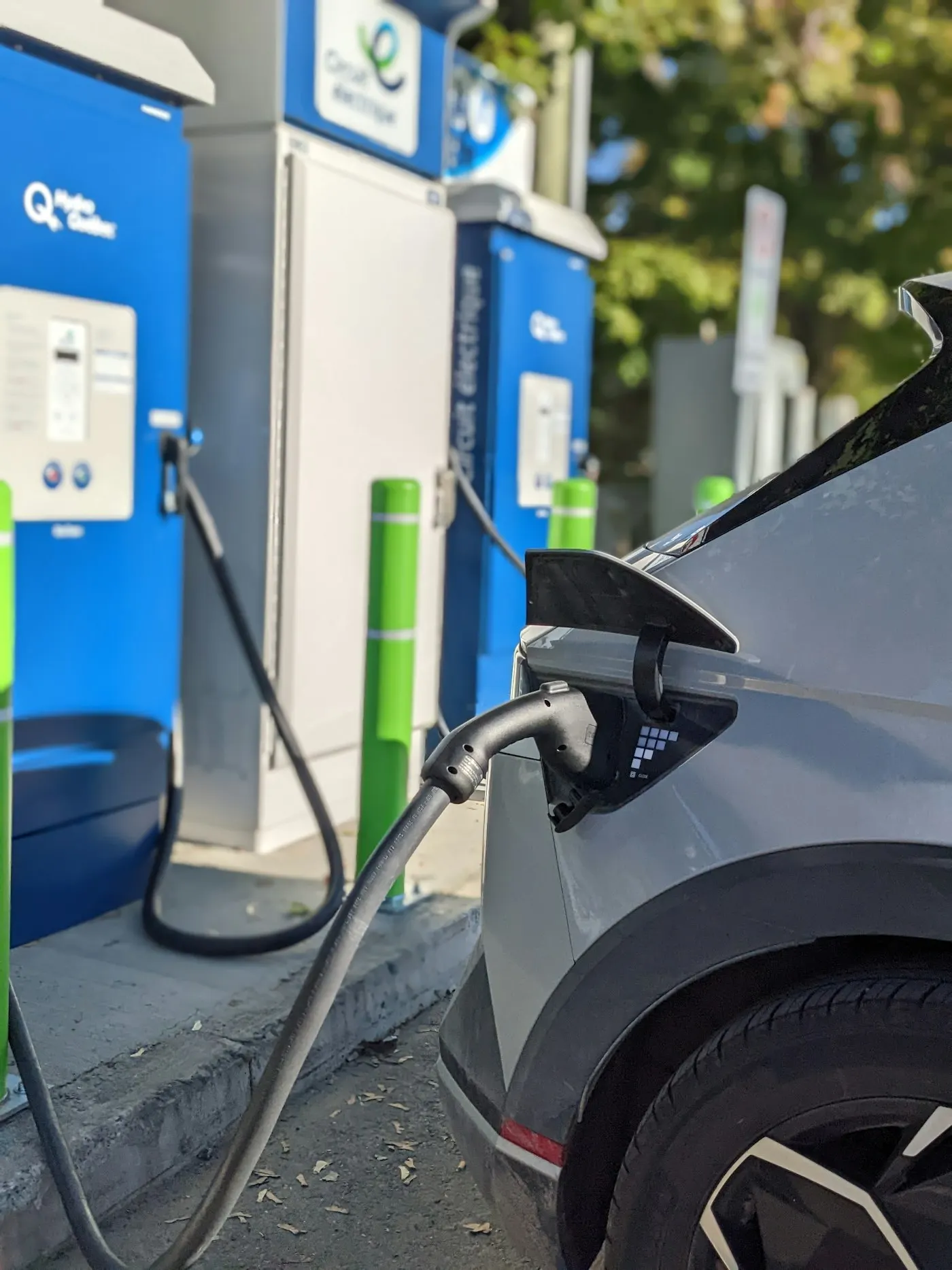
We implement over-the-air delivery of software and firmware with signed packages, staged rollouts, and rollback, so vehicles receive fixes and features securely across model generations.

Our AI models estimate battery health, predict range and degradation, and optimize charging, while fleet management dashboards track utilization, maintenance needs, and total operating cost.

We perform threat analysis and risk assessment, secure in-vehicle and cloud communication, and monitor connected fleets for intrusion, supporting compliance with vehicle cybersecurity regulations.
OTA platforms let vehicles improve long after delivery.
Better charge point management reduces failed sessions and support calls.
Telemetry turns into maintenance, range, and utilization insights.
One vehicle-to-cloud team shortens integration cycles.
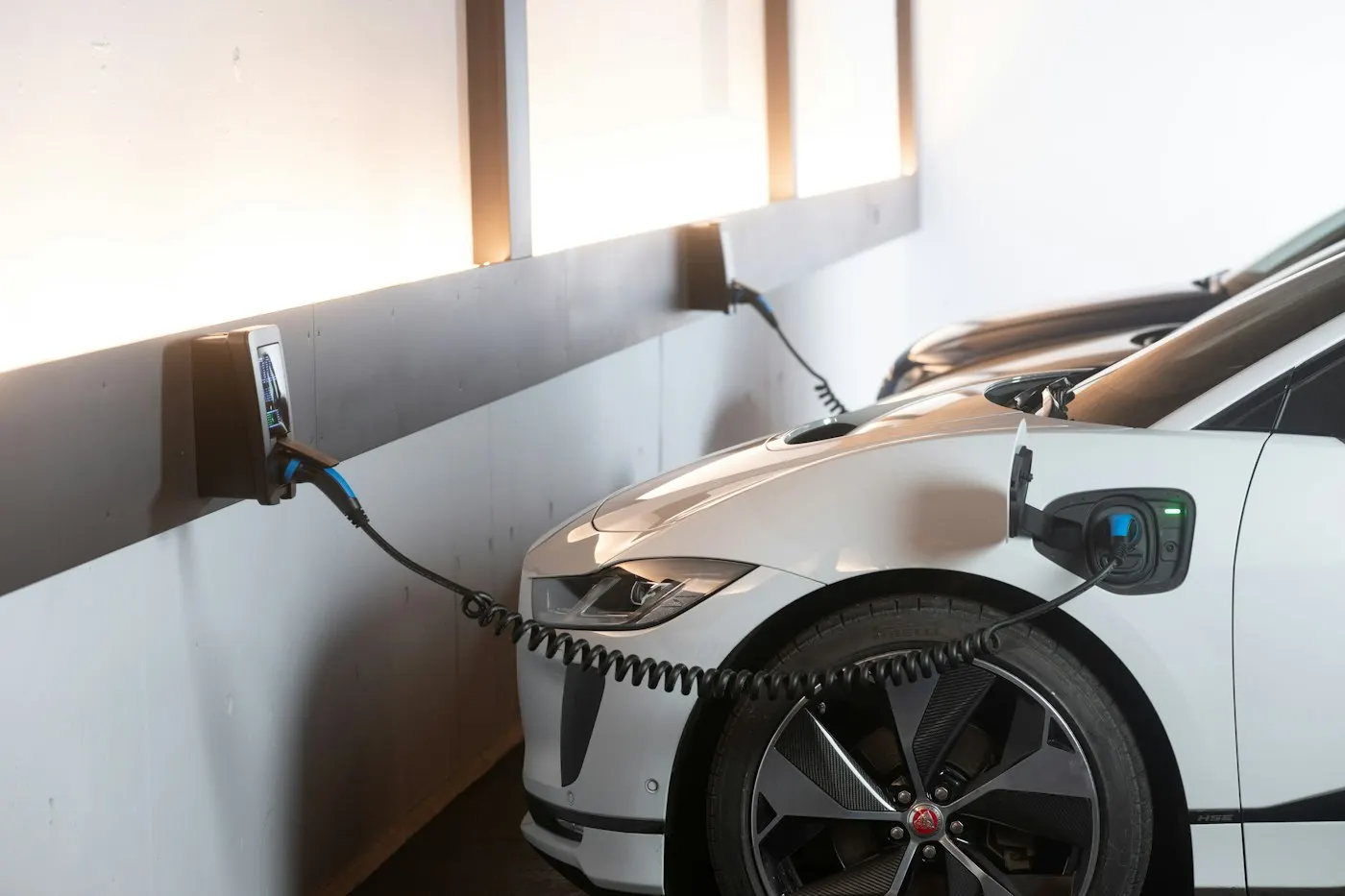
Embedded, cloud, and AI engineers work as one team.

Connected services are designed with threat analysis and secure communication from the start.

Pipelines are designed to process high-volume telemetry efficiently.

Integration with charging protocols and OEM back-ends reduces lock-in.

Add embedded, cloud, or data engineers for program peaks.
Embedded specialists rarely own the cloud, and cloud firms rarely understand vehicles. FWC covers the full vehicle-to-cloud chain, from telematics and OTA systems to fleet management dashboards, battery analytics, and charging platforms. Clients work with one accountable team that understands how a change in the vehicle affects data, services, and driver experience, which reduces integration risk across long automotive programs.
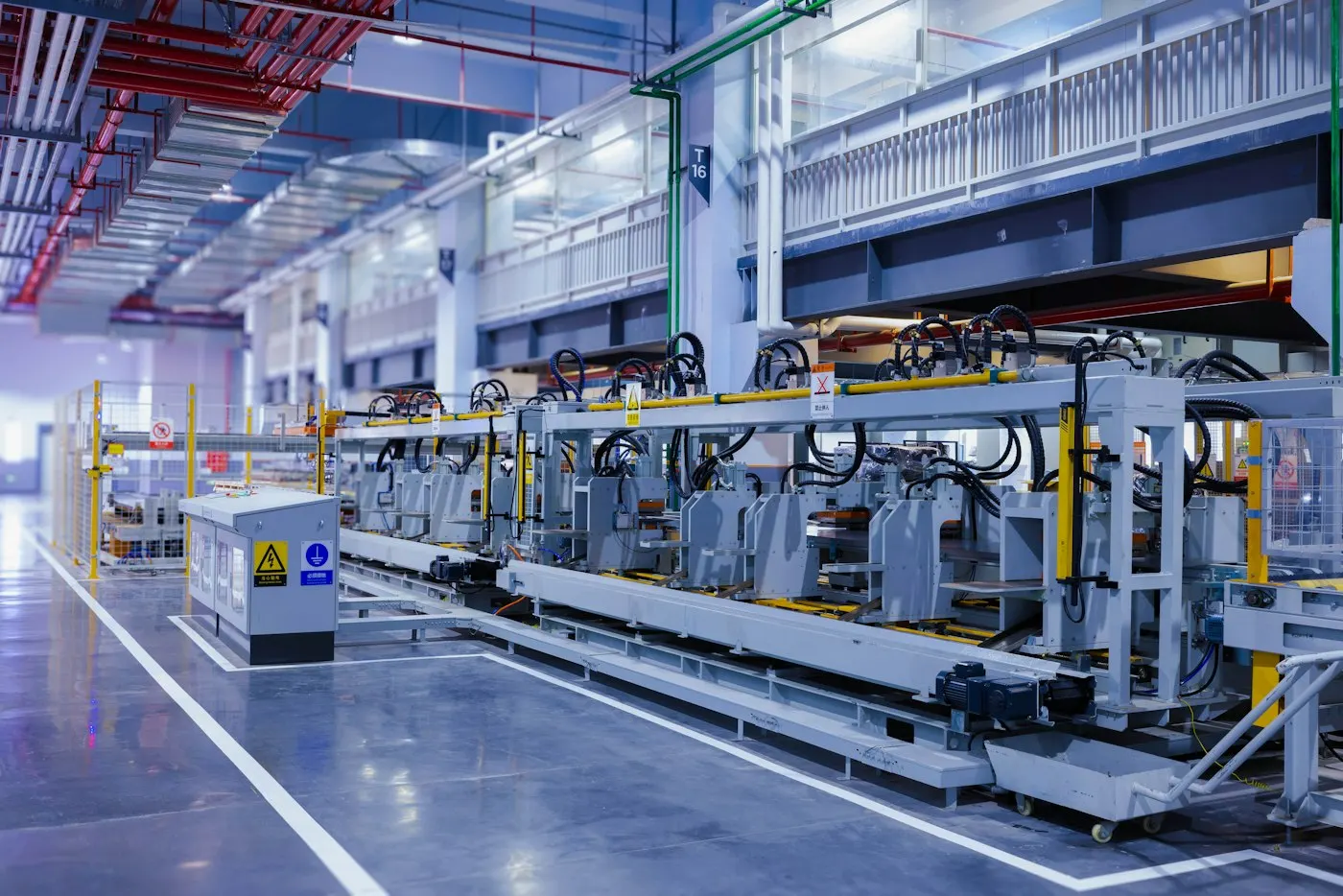
Industrial IoT, MES integration, digital twins, predictive maintenance, and AI quality inspection that connect the shop floor with ERP and supply chain systems.
Explore Manufacturing
Visual inspection and defect detection, OCR, object detection, and safety video analytics running at production speed on edge devices or in the cloud.
Explore Computer Vision
Cloud strategy, migration, application modernization on Kubernetes, DevOps pipelines, platform engineering, and FinOps across AWS, Microsoft Azure, and Google Cloud.
Explore Cloud & Infrastructure
Security assessments, 24/7 managed detection and response, identity and Zero Trust controls, cloud and application security, and audit readiness for major compliance frameworks.
Explore CybersecurityConnecting consulting to growth & impact, bringing together news, insights, articles, and decisions that shape the future.

Do You Need to Modernise Legacy Systems Before Adding AI? No, you do not need to replace every legacy system before introducing AI. What matters is whether the current environment can provide the data, integration, security and performance

AI costs often rise after the pilot because production introduces more than model usage. Real workloads add users, larger context, data retrieval, APIs, retries, monitoring, storage and infrastructure. The useful question is therefore not:

Identity Security in BFSI: Managing Human, Machine and AI-Agent Access The traditional identity security question was relatively simple: Which employee should have access to which system? That question is no longer enough. A modern financia
FWC offers connected vehicle platforms, EV charging software, ADAS data engineering, over-the-air update systems, battery and fleet analytics, and automotive cybersecurity.
Yes. FWC builds charge point management systems that integrate with OCPP-compliant chargers, payment providers, and driver mobile apps.
FWC designs streaming pipelines with edge filtering and scalable cloud storage, so only useful vehicle data is processed and analyzed.
FWC uses signed packages, encrypted delivery, staged rollouts, and rollback options to keep OTA updates secure and reliable.
Yes. FWC supports software-defined vehicle programs with cloud back-ends, OTA systems, data platforms, and AI services that extend vehicle features after sale.
Yes. FWC builds fleet management platforms with battery analytics, range prediction, utilization tracking, and maintenance alerts for commercial and EV fleets.
Tell us the outcome you need. An FWC architect will map the fastest governed path to get there.