



Industrial IoT and Telemetry
We connect machines, sensors, and PLCs through secure gateways and edge devices, streaming real-time production data to cloud and plant systems without replacing your existing equipment.

FWC delivers smart manufacturing solutions and industrial IoT solutions that turn machine data into faster production, higher quality, and fewer unplanned stops.
Most plants already generate the data they need. The problem is that it stays trapped in disconnected PLCs, historians, and spreadsheets, while unplanned downtime, quality escapes, and supply volatility eat into margins.
FWC manufacturing software development services bridge operational technology and enterprise IT. We connect equipment, build digital twins, and apply AI to maintenance and quality, then integrate those insights with MES, ERP, and supply chain systems. Every change is designed to respect plant safety, uptime, and OT security.
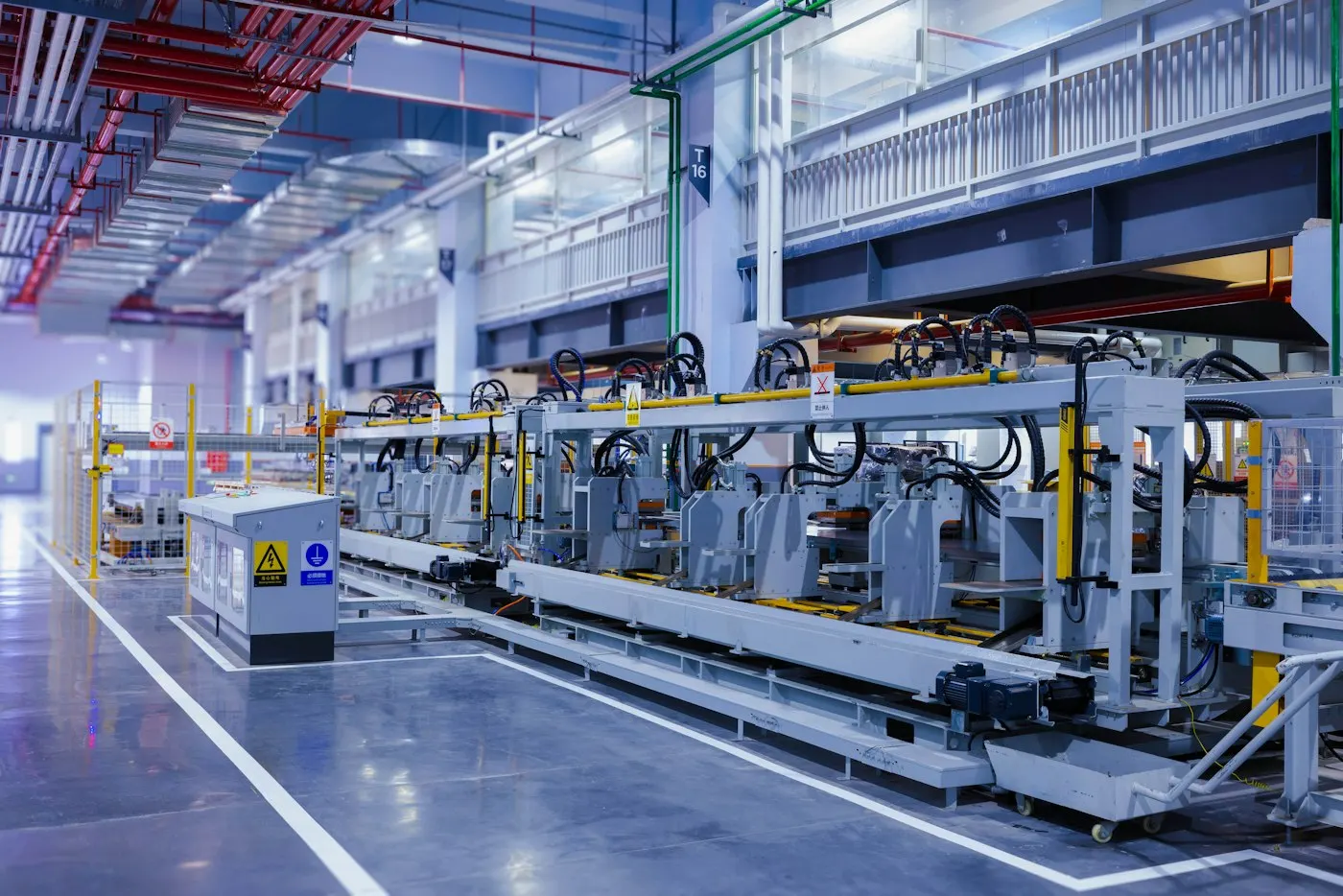
Equipment failures stop lines without warning and disrupt delivery schedules.
Manual inspection misses defects that later become returns, scrap, or recalls.
Without OT/IT integration, plant data never reaches planners and finance teams in time.
Promising pilots fail to scale beyond a single line or plant.
We connect machines, sensors, and PLCs through secure gateways and edge devices, streaming real-time production data to cloud and plant systems without replacing your existing equipment.
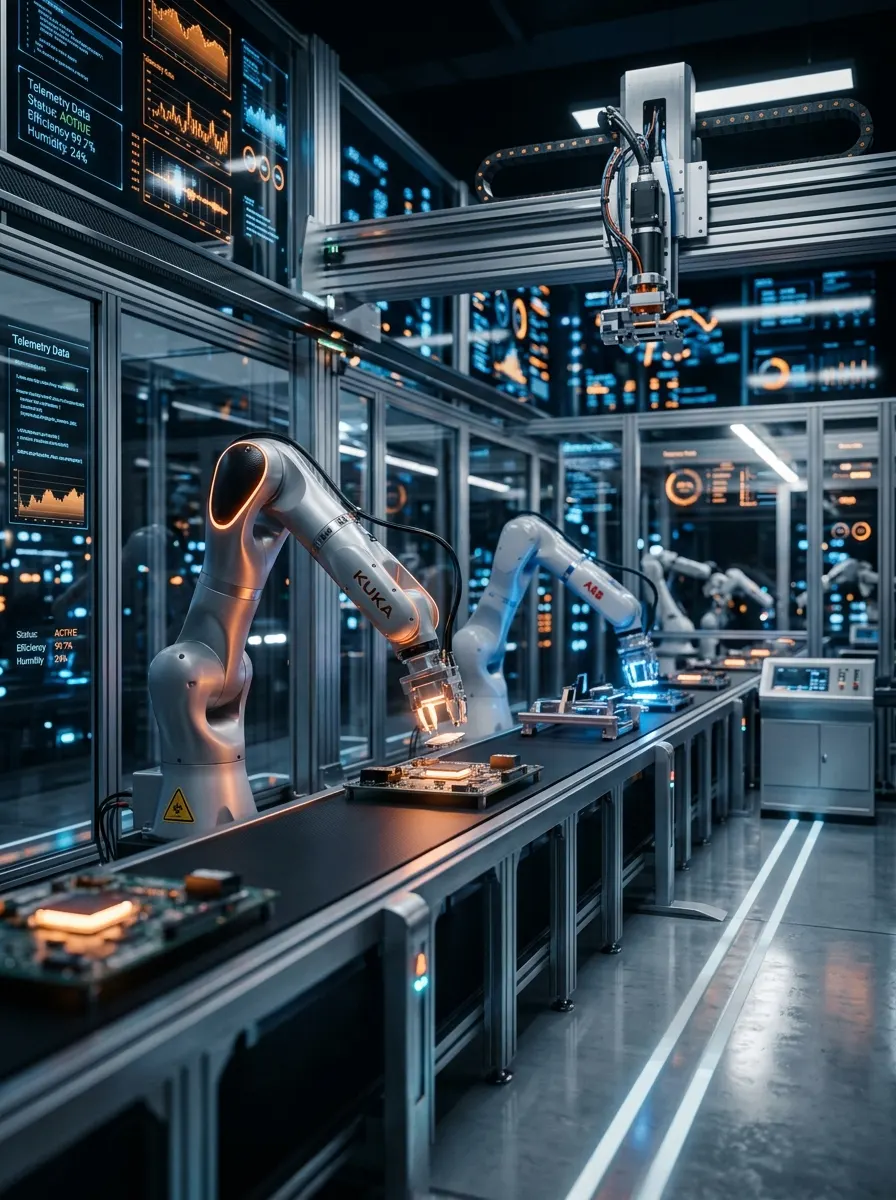
FWC implements and integrates MES platforms for production scheduling, work order execution, genealogy and traceability, and OEE tracking, giving supervisors live visibility of every line.
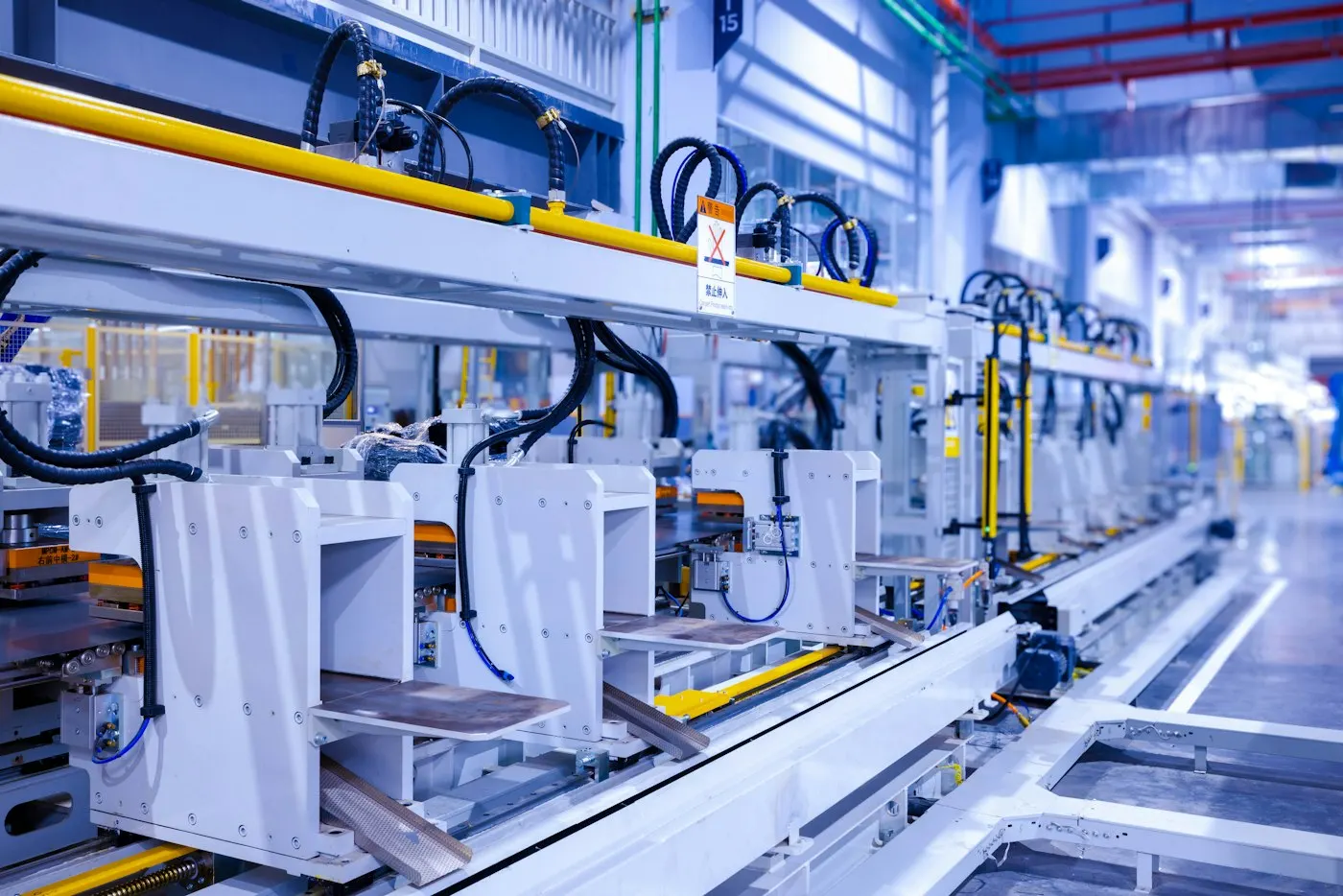
Our engineers build virtual models of lines, cells, and assets fed by live plant data, so teams can simulate changeovers, test throughput scenarios, and plan capacity before committing capital.
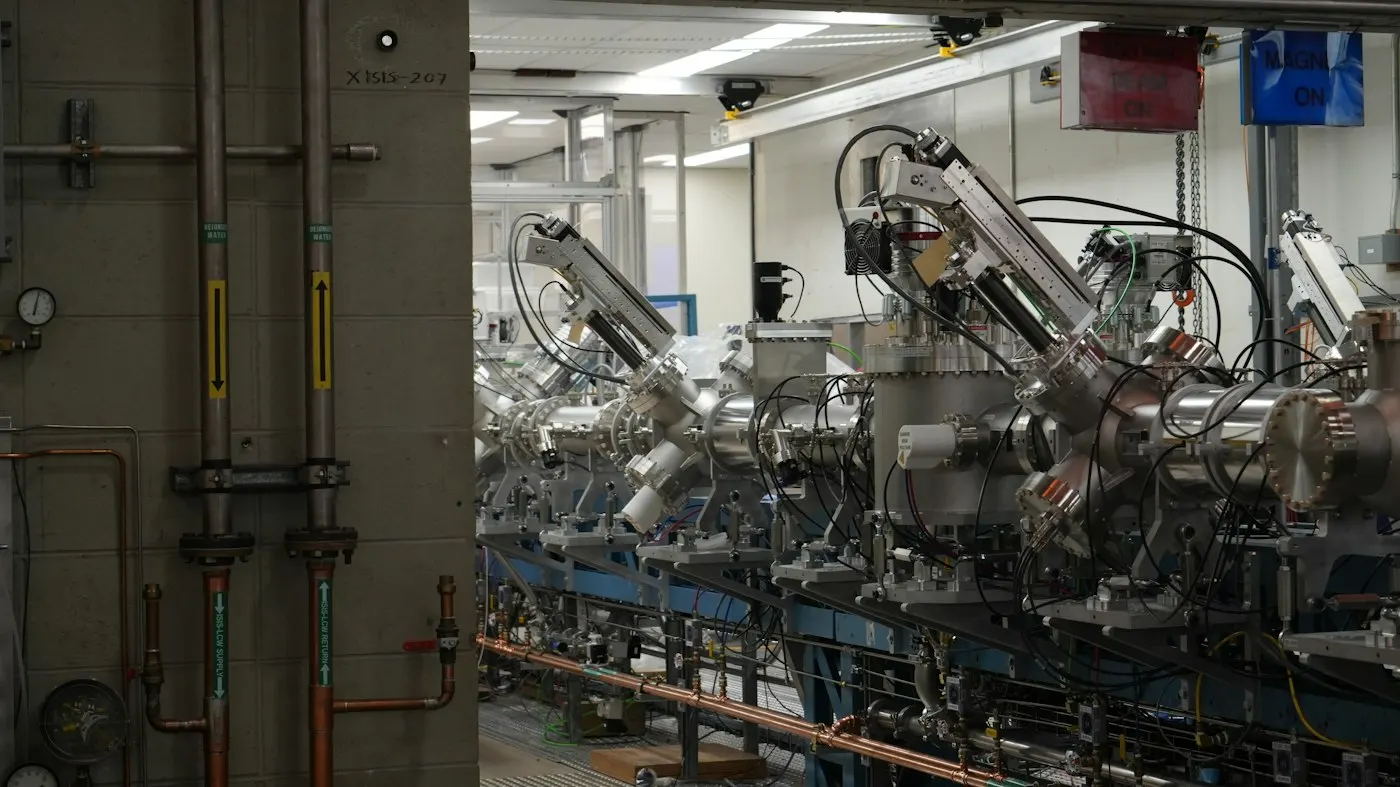
Machine learning models analyze vibration, temperature, current, and runtime data to detect early failure patterns, so maintenance teams schedule service in planned windows instead of reacting to breakdowns.
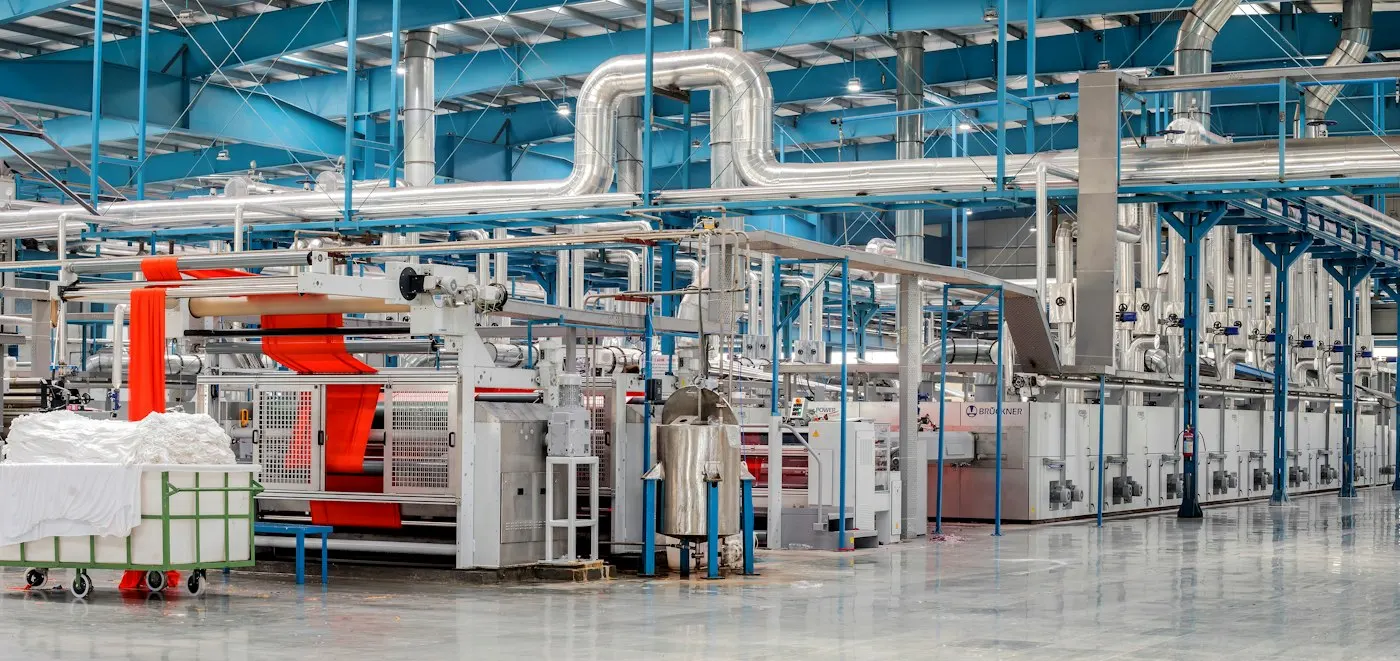
We deploy computer vision on the line to detect surface defects, assembly errors, and dimensional deviations at production speed, with results logged against each part for traceability.
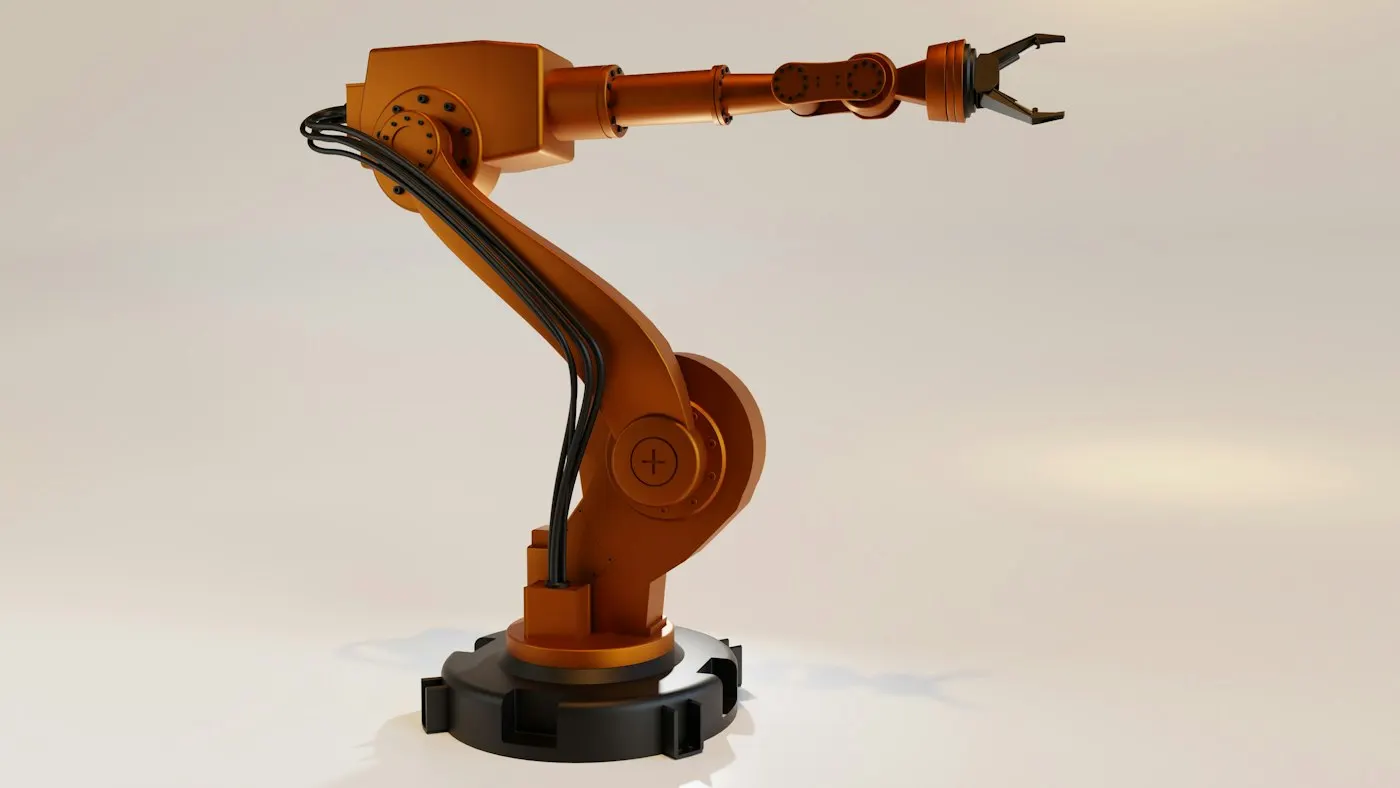
FWC links shop-floor systems with ERP, SAP, and supply chain platforms through secure, segmented networks, creating one source of production truth for planning, finance, and quality teams.
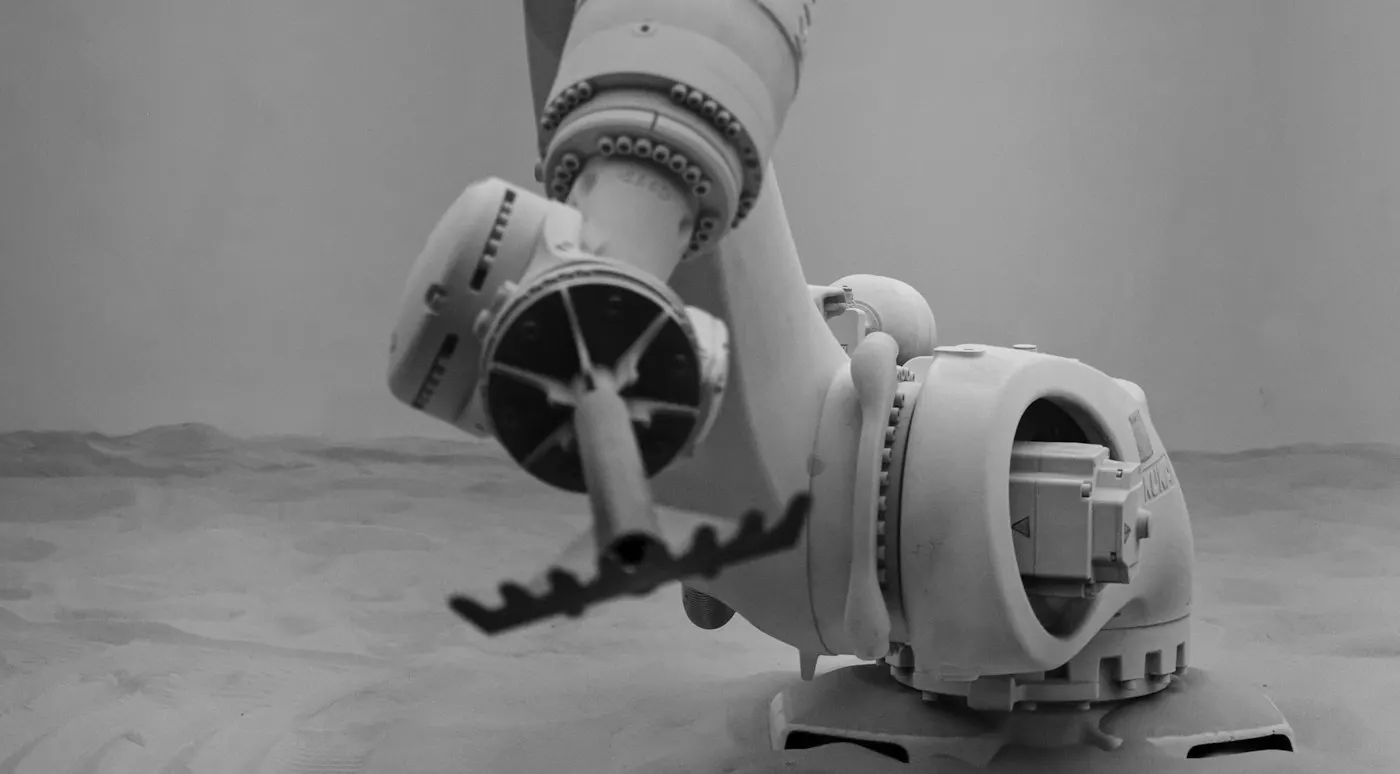
We provide engineering support for robotic cells, AGVs, and automated material handling, including control software integration, safety logic, and connection to MES and warehouse systems.
Our solutions deliver digital work instructions, safety monitoring, and training on handheld devices, alongside energy and emissions analytics that help plants cut consumption and report accurately.

Industrial networks are segmented and monitored, so connectivity never becomes an attack path.

Changes are scheduled around production windows to protect output.

Models are deployed to edge devices where decisions happen, not left in a dashboard.
SAP, ERP, and supply chain expertise in the same team that connects the machines.

Prove value on one line, then roll out a repeatable blueprint across plants.
Automation vendors often stop at the machine, while IT consultancies stop at the ERP. FWC connects both worlds, combining industrial IoT, edge AI, MES, and SAP expertise in one team. That makes Industry 4.0 programs practical: we prove value on one line, document a repeatable blueprint, and roll it out plant by plant with OT security, change control, and production schedules respected at every step.
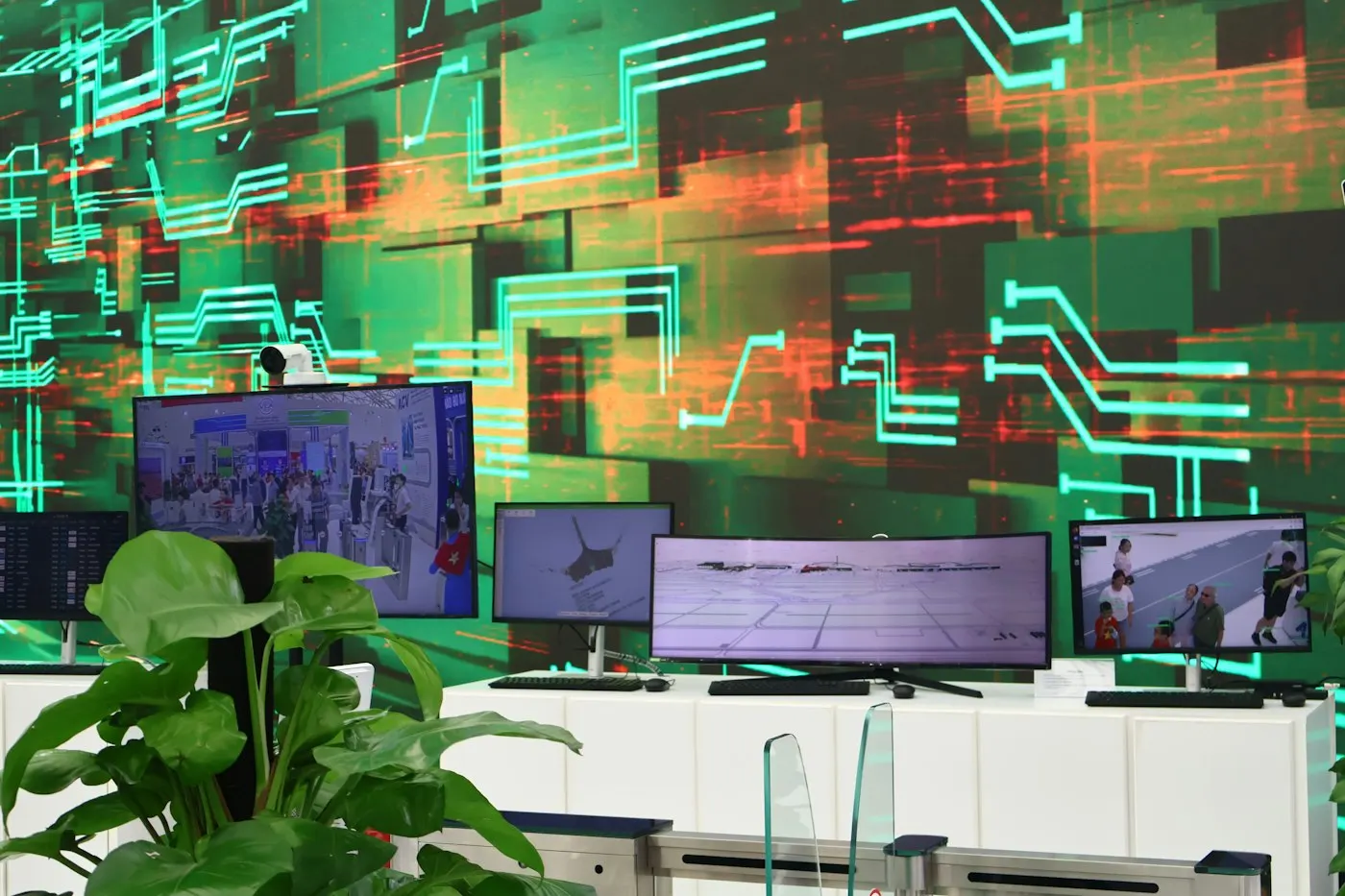
Visual inspection and defect detection, OCR, object detection, and safety video analytics running at production speed on edge devices or in the cloud.
Explore Computer Vision
SAP S/4HANA migration, implementation across finance and supply chain, SuccessFactors, integration and extensions on SAP BTP, and ongoing application support.
Explore SAP Services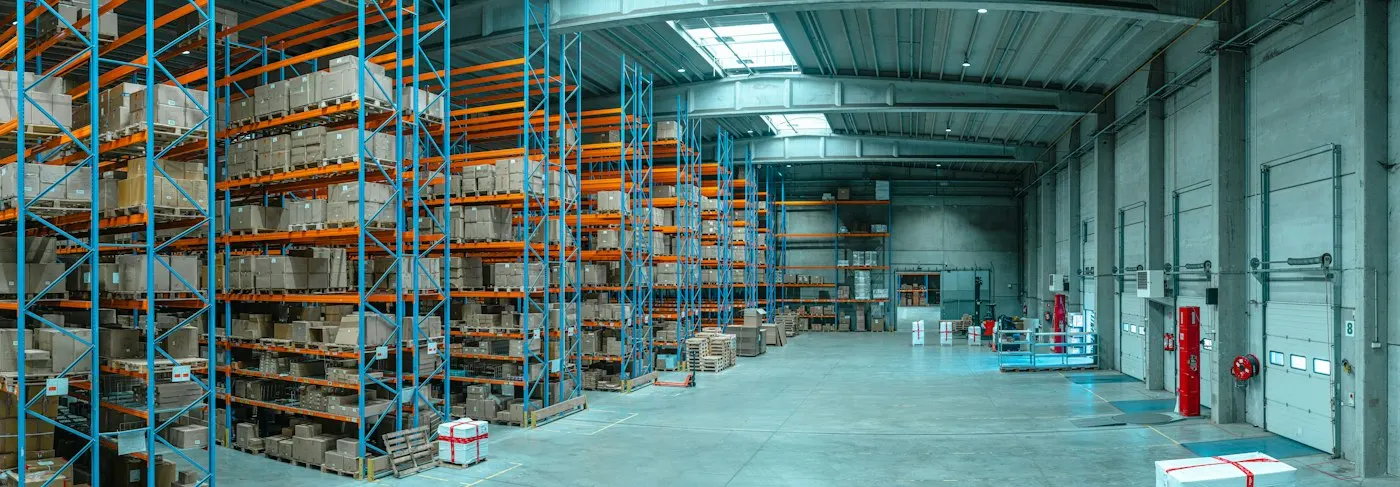
Control towers, route optimization, IoT freight tracking, AI demand planning, and warehouse and transportation management for real-time supply chain visibility.
Explore Supply Chain & Logistics
Security assessments, 24/7 managed detection and response, identity and Zero Trust controls, cloud and application security, and audit readiness for major compliance frameworks.
Explore CybersecurityConnecting consulting to growth & impact, bringing together news, insights, articles, and decisions that shape the future.

Do You Need to Modernise Legacy Systems Before Adding AI? No, you do not need to replace every legacy system before introducing AI. What matters is whether the current environment can provide the data, integration, security and performance

AI costs often rise after the pilot because production introduces more than model usage. Real workloads add users, larger context, data retrieval, APIs, retries, monitoring, storage and infrastructure. The useful question is therefore not:

Identity Security in BFSI: Managing Human, Machine and AI-Agent Access The traditional identity security question was relatively simple: Which employee should have access to which system? That question is no longer enough. A modern financia
FWC provides industrial IoT connectivity, digital twins, predictive maintenance, AI quality inspection, OT/IT and MES integration, and engineering support for robotics and factory automation.
Predictive maintenance models analyze vibration, temperature, and runtime data to detect early failure patterns, so maintenance teams can intervene before an asset stops production.
Yes. FWC uses retrofit sensors, protocol gateways, and edge devices to connect legacy equipment without replacing the machines.
FWC segments OT and IT networks, applies Zero Trust access, and monitors industrial traffic, so new connectivity does not expose production systems.
Yes. FWC connects shop-floor data with MES, SAP, and ERP platforms, giving planners and finance teams real-time production visibility.
FWC turns a successful pilot into a documented blueprint covering connectivity, data models, AI models, and security controls, then rolls it out across lines and plants with measured targets for each site.
Tell us the outcome you need. An FWC architect will map the fastest governed path to get there.