AI
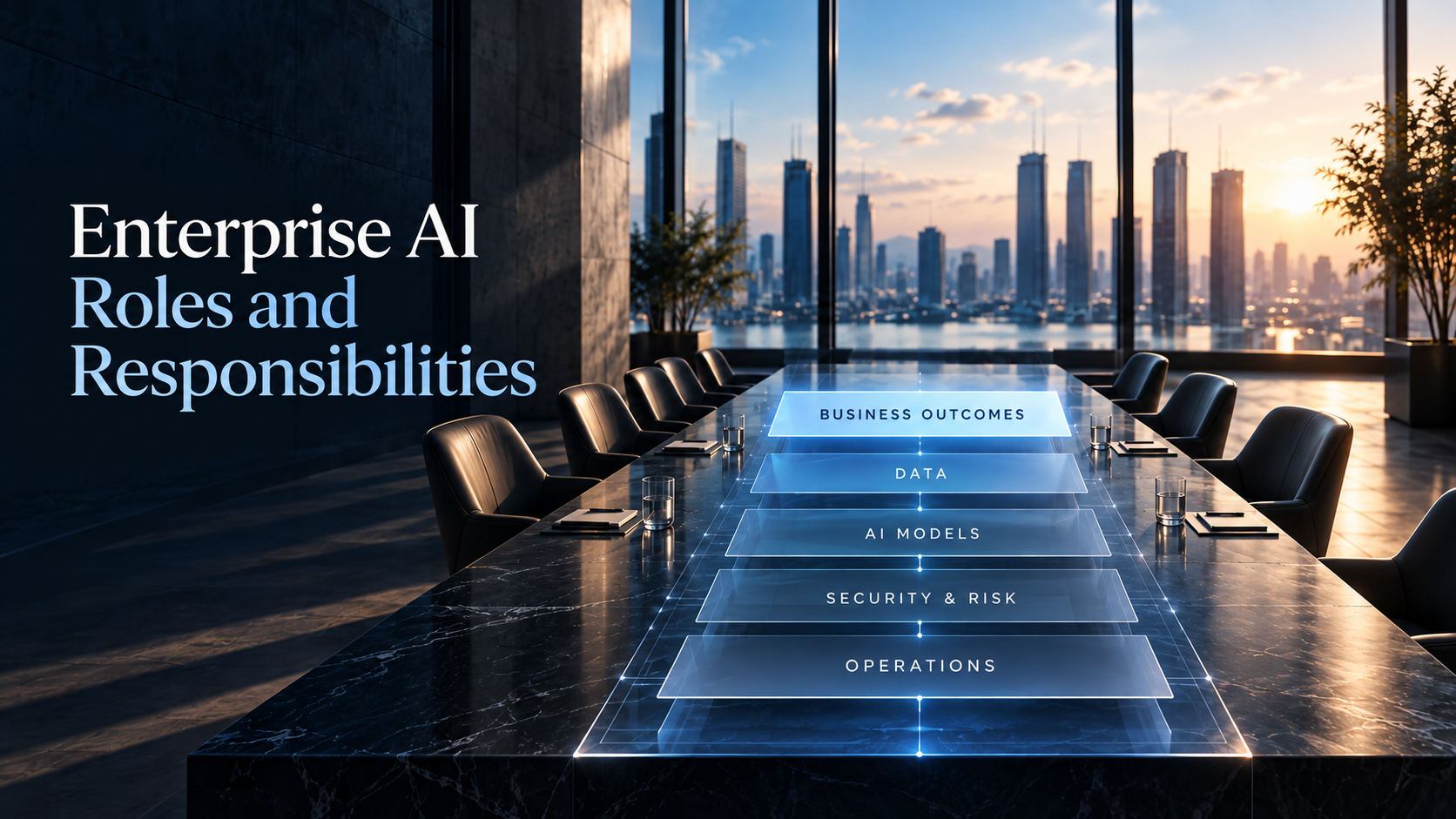
Enterprise AI Roles and Responsibilities: Who Owns AI After Deployment?
Learn how to define enterprise AI roles and responsibilities after deployment, including ownership across business, technology, data, risk, security and operations.

We engineer aerospace and defense software with export-control compliance and mission assurance built in from day one, staffed by engineers cleared to work where clearance is the entry requirement.
In aerospace and defense, a compliance gap doesn't surface as a bad review. It surfaces as a program halted mid-contract or a system that fails the one time it actually matters. We build the compliance case and the engineering at the same time, because in this industry they were never actually separate problems.
We build mission-critical systems and secure communications architecture around the reliability standard a failure-intolerant environment actually requires.
Digital twin and simulation engineering validate a system against realistic mission conditions before it's ever deployed, catching a failure mode in a model instead of in the field.
Export-control and supply chain compliance are built into program delivery from the start, with every component and every engineer's access tracked to what they're actually cleared for.
We stay engaged through fleet and asset lifecycle support, tracking readiness data so a maintenance gap gets caught before it becomes a mission-readiness problem.


Systems engineered to a failure-intolerant standard mean the one scenario you can't afford to fail in is exactly the scenario the system was built and tested for.
Strategic analysis, technical playbooks, and engineering updates shaping the future of aerospace defense.
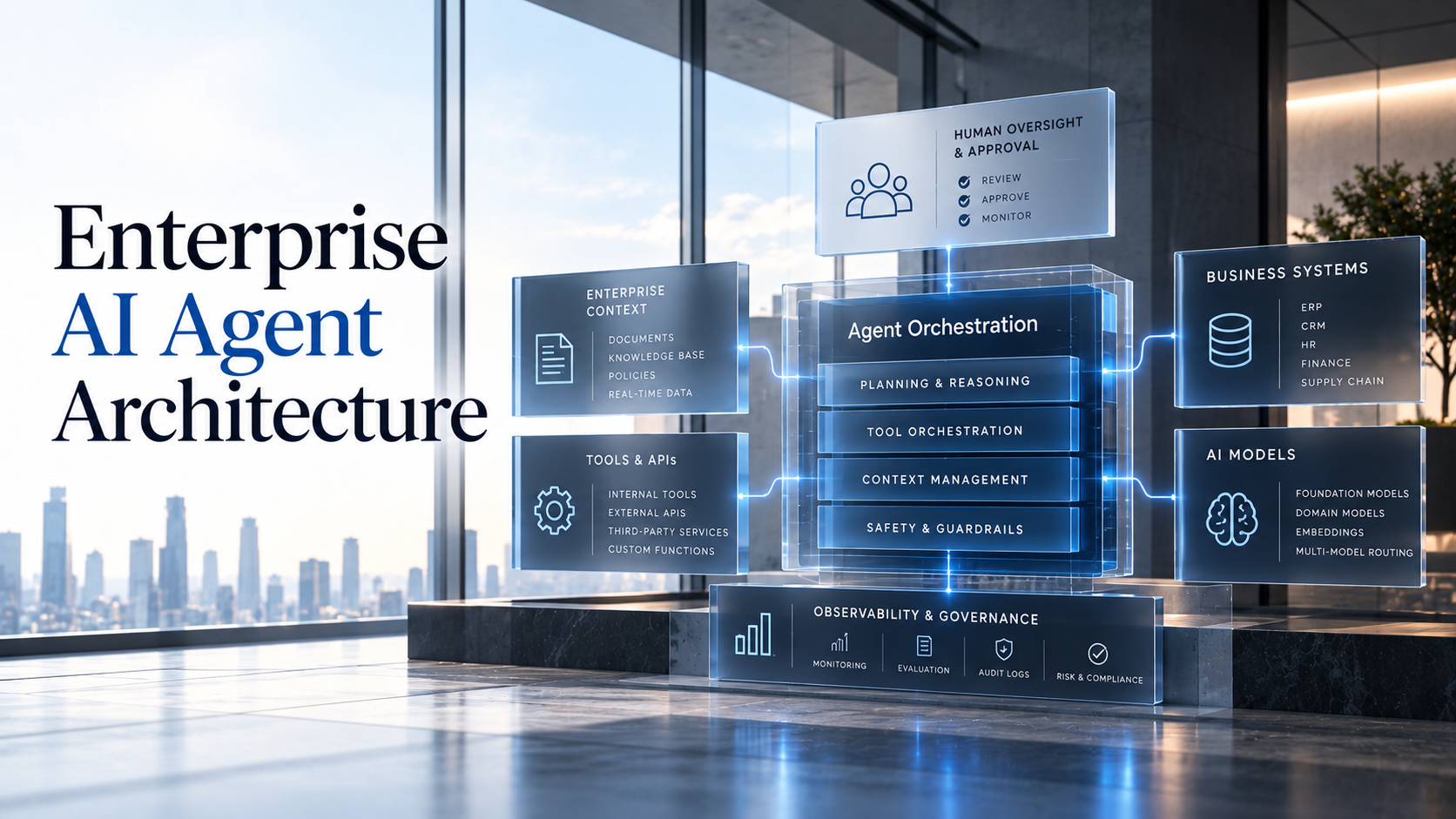
Moving AI agents from pilot to production requires more than a capable model. Explore seven architecture requirements for reliable, secure and scalable enterprise AI agents.
Learn how to define enterprise AI roles and responsibilities after deployment, including ownership across business, technology, data, risk, security and operations.
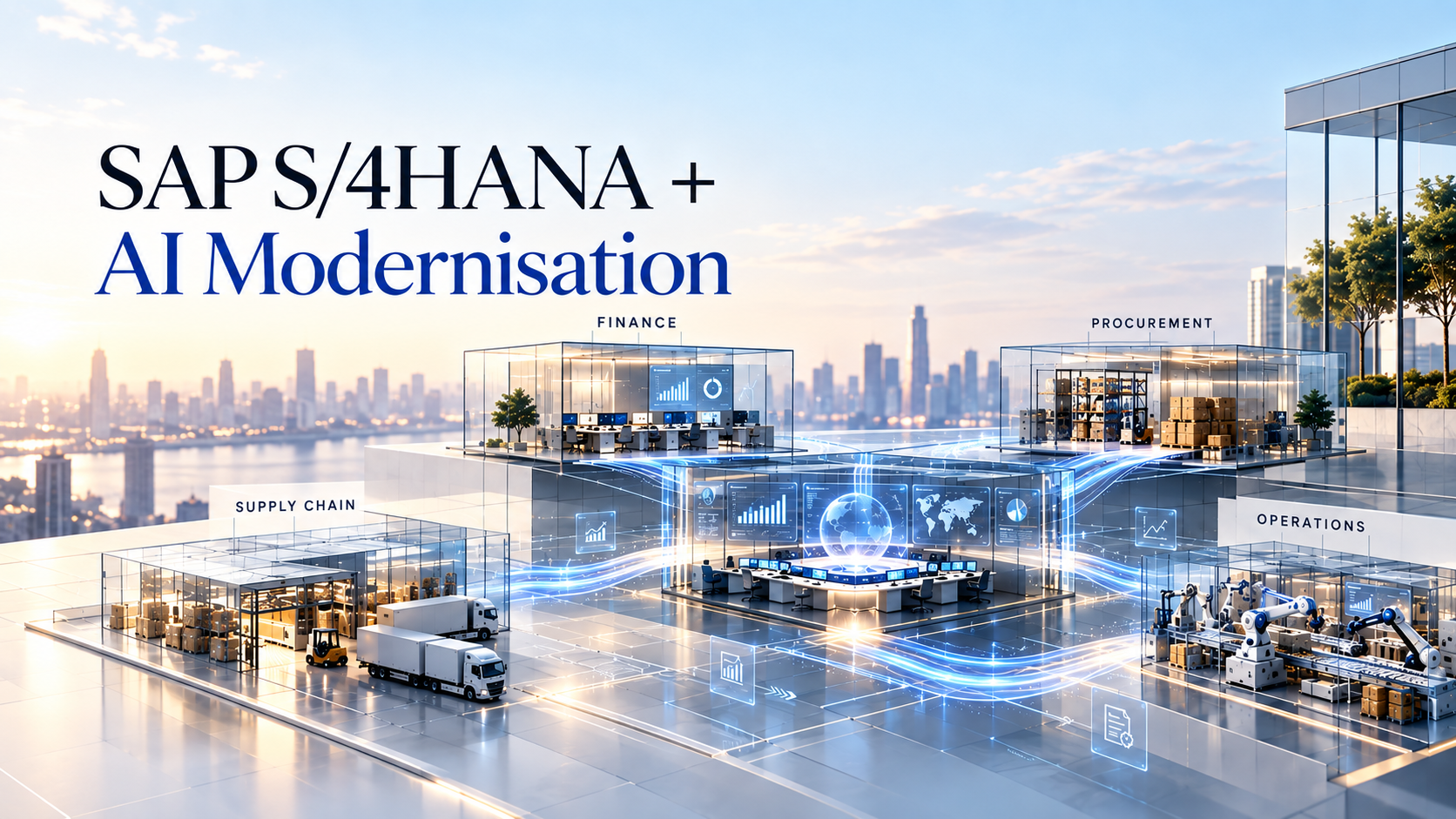
Explore where AI can add value during SAP S/4HANA modernisation, where it should wait, and how to prioritise AI without adding unnecessary complexity.
Everything you need to know about FWC's aerospace defense technology, automation, and IT consulting solutions
Export-control and supply chain compliance are built into delivery from the "Comply" stage of how we work, with component and access tracking running continuously, not assembled defensively after an audit request lands.
Simulation and Digital Twin Engineering validates against realistic mission conditions in a model first, so a failure mode gets caught and fixed there instead of in the field, where the cost of being wrong is categorically different.
Access and clearance tracking is built into how we staff and deliver programs in this industry, so the team assigned to your program is cleared for exactly what the program requires, not approximately.
Any AI-assisted detection or sensor system we build is scoped to surface and report, not to act autonomously on anything consequential. The authorization to act stays exactly where policy places it.
We stay engaged through fleet and asset lifecycle support, tracking readiness data so a maintenance gap gets caught ahead of a deployment window instead of discovered during one. That's the "Sustain" stage, not a handoff.
Let’s turn business challenges into opportunities.