



Process Mining and Discovery
We analyze system event logs and interview process owners to map how work really flows, quantify delays and rework, and rank automation candidates by measurable business value.

FWC delivers enterprise workflow automation and business process automation services that remove manual hand-offs and speed up decisions across the enterprise.
Most enterprise processes cross several systems and teams: requests arrive by email, data is re-keyed between applications, and approvals wait in inboxes. Each hand-off adds delay, cost, and risk of error.
FWC workflow automation services orchestrate the entire process, not just individual tasks. We discover where time is lost, redesign the flow, and connect ERP, CRM, ITSM, and document systems with automation and AI. People stay in control of the decisions that need judgment.
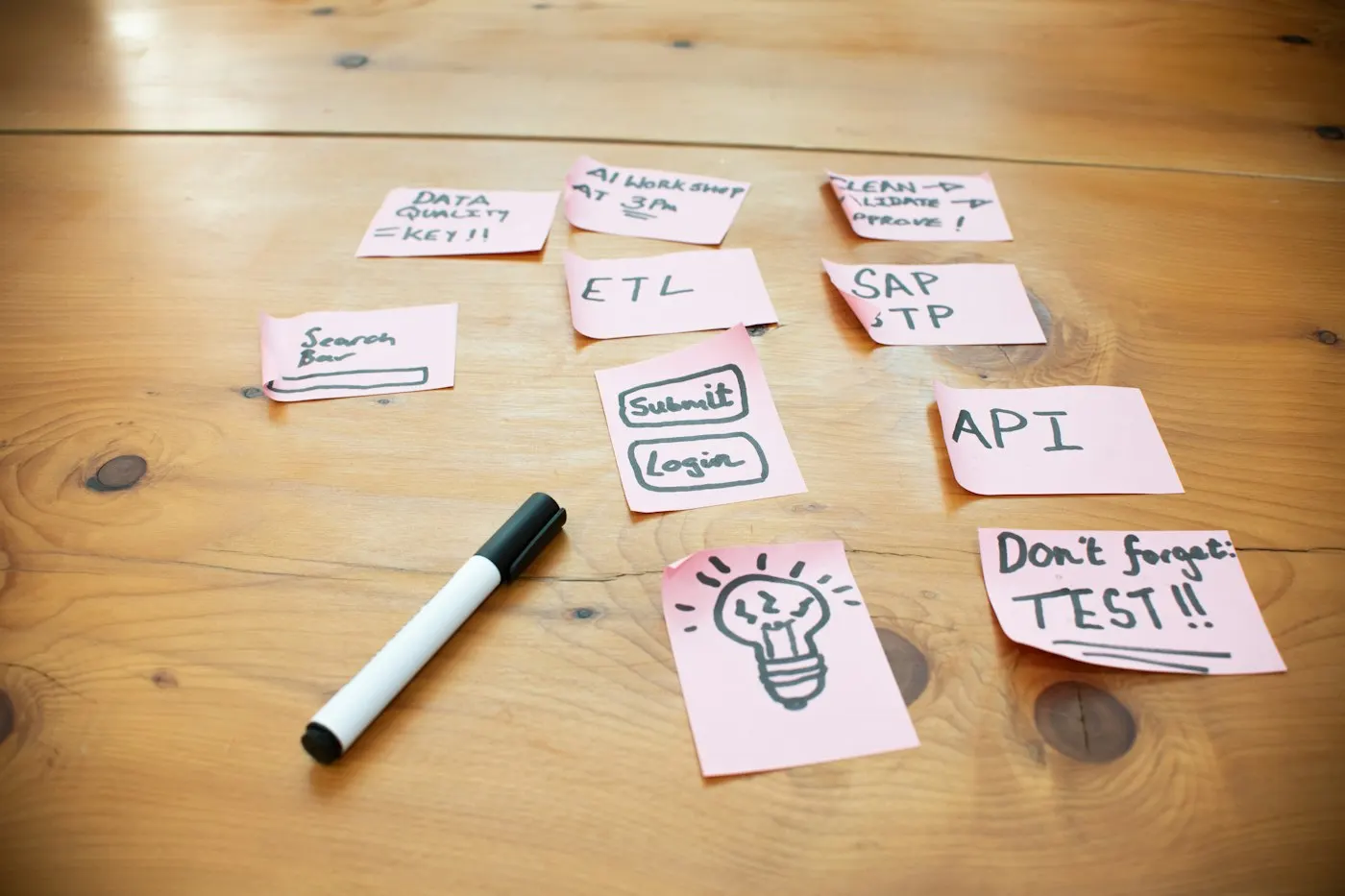
Without process mining, teams guess where time is lost.
Data copied between systems creates errors and delays.
Requests wait in inboxes with no visibility or escalation.
ERP, CRM, HR, and ITSM tools do not share context.
We analyze system event logs and interview process owners to map how work really flows, quantify delays and rework, and rank automation candidates by measurable business value.

FWC coordinates tasks across systems, bots, AI agents, and people in one governed flow, with clear ownership, service-level timers, and exception paths at every step.

Our developers build and scale workflows on ServiceNow, Microsoft Power Automate, and similar platforms, applying reusable components and governance so low-code automation stays maintainable.

We use AI to classify documents and extract and validate data from invoices, forms, and contracts, sending only low-confidence items to people for review.

FWC connects ERP, CRM, HR, and ITSM platforms through APIs and integration middleware, removing manual re-keying and keeping data consistent across every workflow your teams depend on.

We digitize approvals, escalations, and case handling with configurable rules, mobile sign-off, and complete audit trails that satisfy internal control and compliance reviews without extra effort.
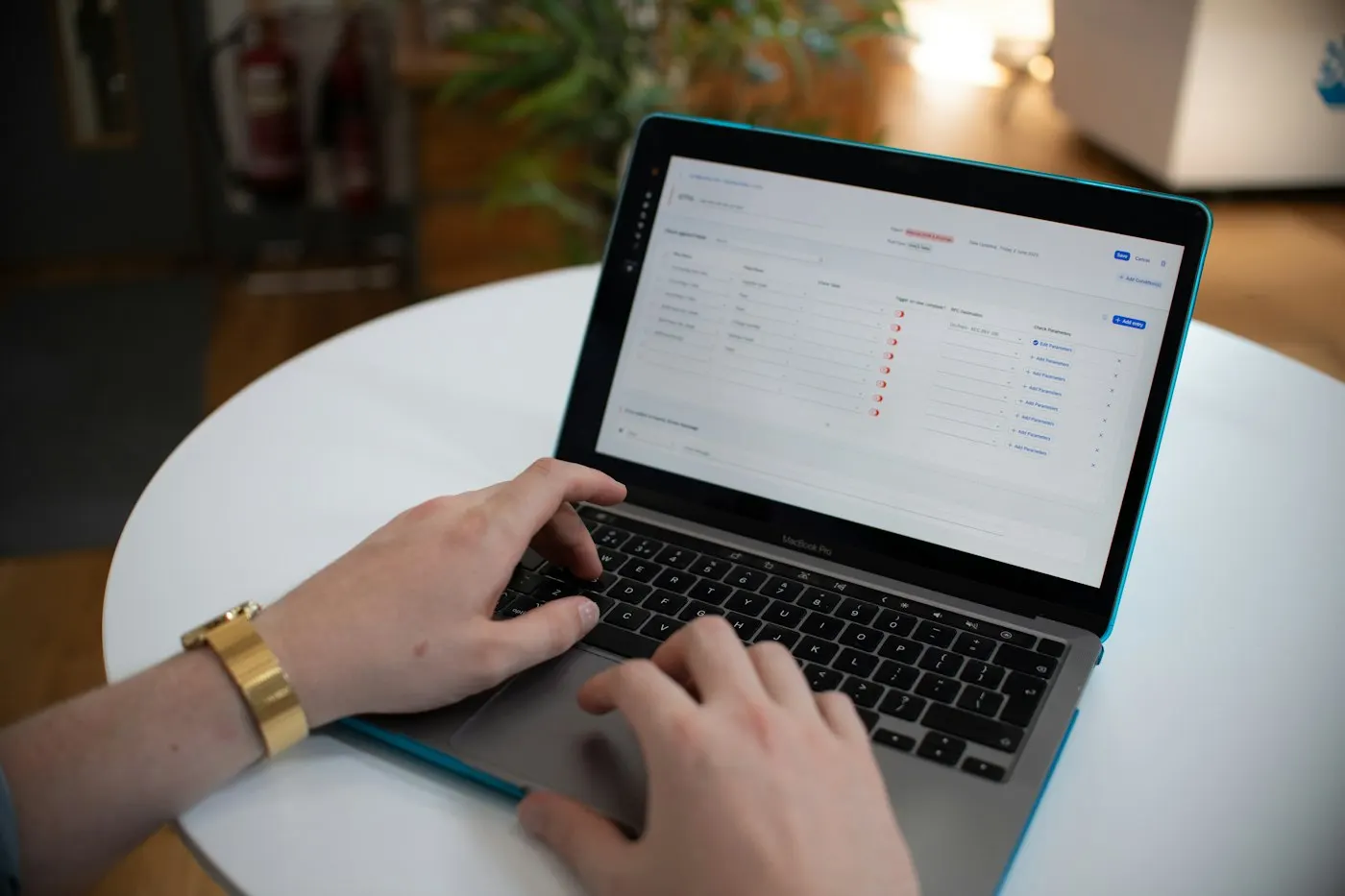
Our solutions bring onboarding, access requests, IT support, and facilities processes into one service portal, giving employees a single place to ask and track.

We set design standards, monitor workflow health, and report cycle time, volume, and savings on dashboards, so leaders see which automations deliver value and which need attention.
Map current processes and measure baseline time and cost.
Simplify the process before automating it.
Build, test, and integrate workflows.
Monitor performance and improve continuously.
Requests move through approvals in hours instead of days.
Integrated data removes manual re-keying mistakes.
Every request has a status, an owner, and an audit trail.
Teams redirect time from routine handling to higher-value work.
FWC fixes the process before automating it, avoiding automated waste.

Document AI and agents handle unstructured work; rules handle the rest.
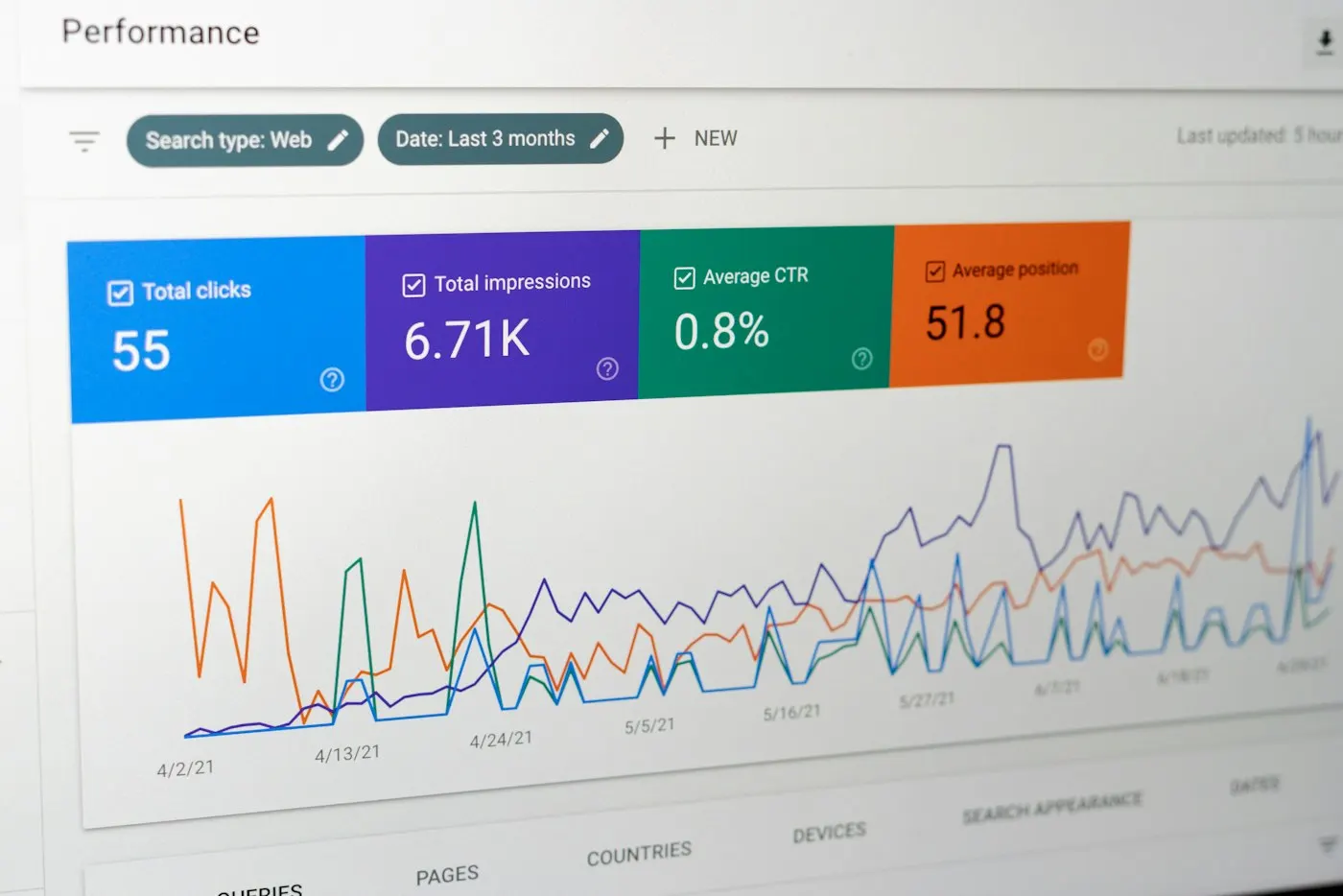
Recommendations fit your existing technology investments.
Every workflow is tracked against cycle time, cost, and error baselines.
Single-platform partners automate everything inside the one tool they sell. FWC designs orchestration across the platforms you already own, choosing the right mix of workflow engines, integrations, RPA, and AI for each step. Process mining guides priorities, and measured baselines prove results, so automation investment goes where it saves the most time and cost, not where a license happens to exist.

Attended, unattended, and hybrid bots on leading RPA platforms, with a Center of Excellence, 24/7 bot monitoring, and AI-enhanced intelligent automation.
Explore RPA
Intelligent document processing, ERP and SAP automation, AI-powered decisioning, and agent-assisted workflows that handle exceptions as well as rules.
Explore AI Automation
SAP S/4HANA migration, implementation across finance and supply chain, SuccessFactors, integration and extensions on SAP BTP, and ongoing application support.
Explore SAP Services
Autonomous and multi-agent systems that complete multi-step work inside CRM, ERP, and ticketing tools, with guardrails, audit logs, and human approval points.
Explore AI AgentsConnecting consulting to growth & impact, bringing together news, insights, articles, and decisions that shape the future.

Do You Need to Modernise Legacy Systems Before Adding AI? No, you do not need to replace every legacy system before introducing AI. What matters is whether the current environment can provide the data, integration, security and performance

AI costs often rise after the pilot because production introduces more than model usage. Real workloads add users, larger context, data retrieval, APIs, retries, monitoring, storage and infrastructure. The useful question is therefore not:

Identity Security in BFSI: Managing Human, Machine and AI-Agent Access The traditional identity security question was relatively simple: Which employee should have access to which system? That question is no longer enough. A modern financia
Enterprise workflow automation uses software, integrations, and AI to run multi-step business processes across systems and teams with minimal manual effort.
RPA automates individual screen-level tasks. Workflow orchestration coordinates the full process across systems, bots, AI, and people, including approvals and exceptions.
High-volume, rule-based, multi-system processes benefit most, such as order-to-cash, procure-to-pay, employee onboarding, and IT service requests.
Yes. FWC works with platforms you already use, such as ServiceNow and Microsoft Power Platform, and integrates them with ERP and CRM systems.
FWC sets baselines for cycle time, cost, and error rates before automation and tracks the same metrics after go-live.
Process mining analyzes system event logs to show how work actually flows, revealing delays, rework, and variations that point to the highest-value automation opportunities.
Tell us the outcome you need. An FWC architect will map the fastest governed path to get there.