AI
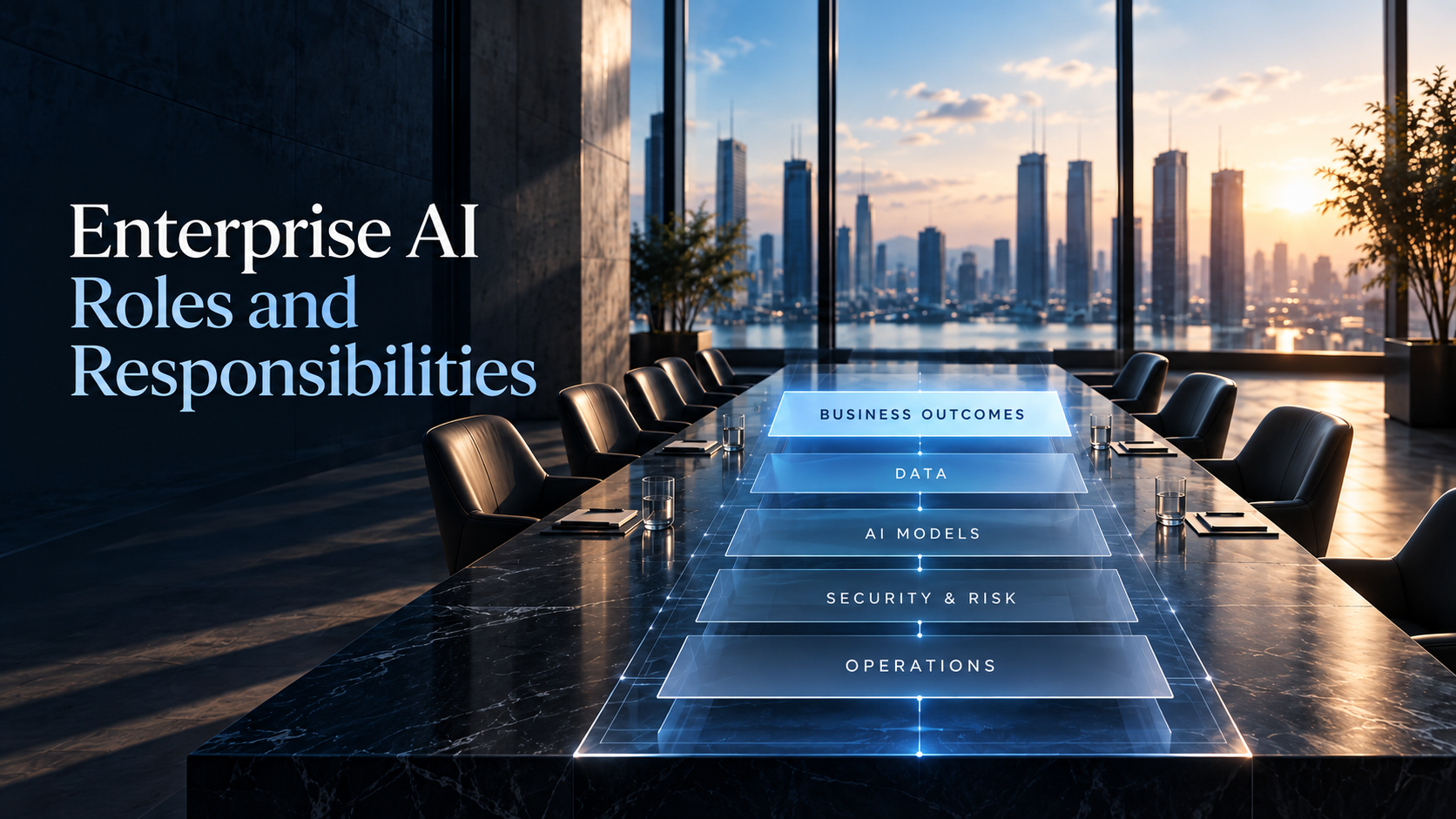
Enterprise AI Roles and Responsibilities: Who Owns AI After Deployment?
Learn how to define enterprise AI roles and responsibilities after deployment, including ownership across business, technology, data, risk, security and operations.

We pair fintech engineers with compliance-minded delivery, so your payment and banking products ship certified and audit-ready, not just fast.
A fintech product that ships fast but fails a compliance review doesn't ship at all. It sits in legal review while a competitor takes the market. We build the product and the compliance case for it at the same time, so speed and sign-off stop competing with each other.
We architect the product around the regulatory requirement from day one, not as a retrofit after a compliance review flags it.
Fraud detection and encryption are built into the transaction layer itself, not bolted on as a separate monitoring tool after launch.
Every release passes a defined compliance sign-off before it reaches a live customer, with a documented trail for the audit that follows.
We stay embedded as transaction volume grows, tuning fraud models and compliance rules against real usage patterns instead of the assumptions from launch day.


A banking platform built compliant from the start means launch day doesn't get pushed back three months for a legal review that should have happened during design, not after it.
Strategic analysis, technical playbooks, and engineering updates shaping the future of fintech.
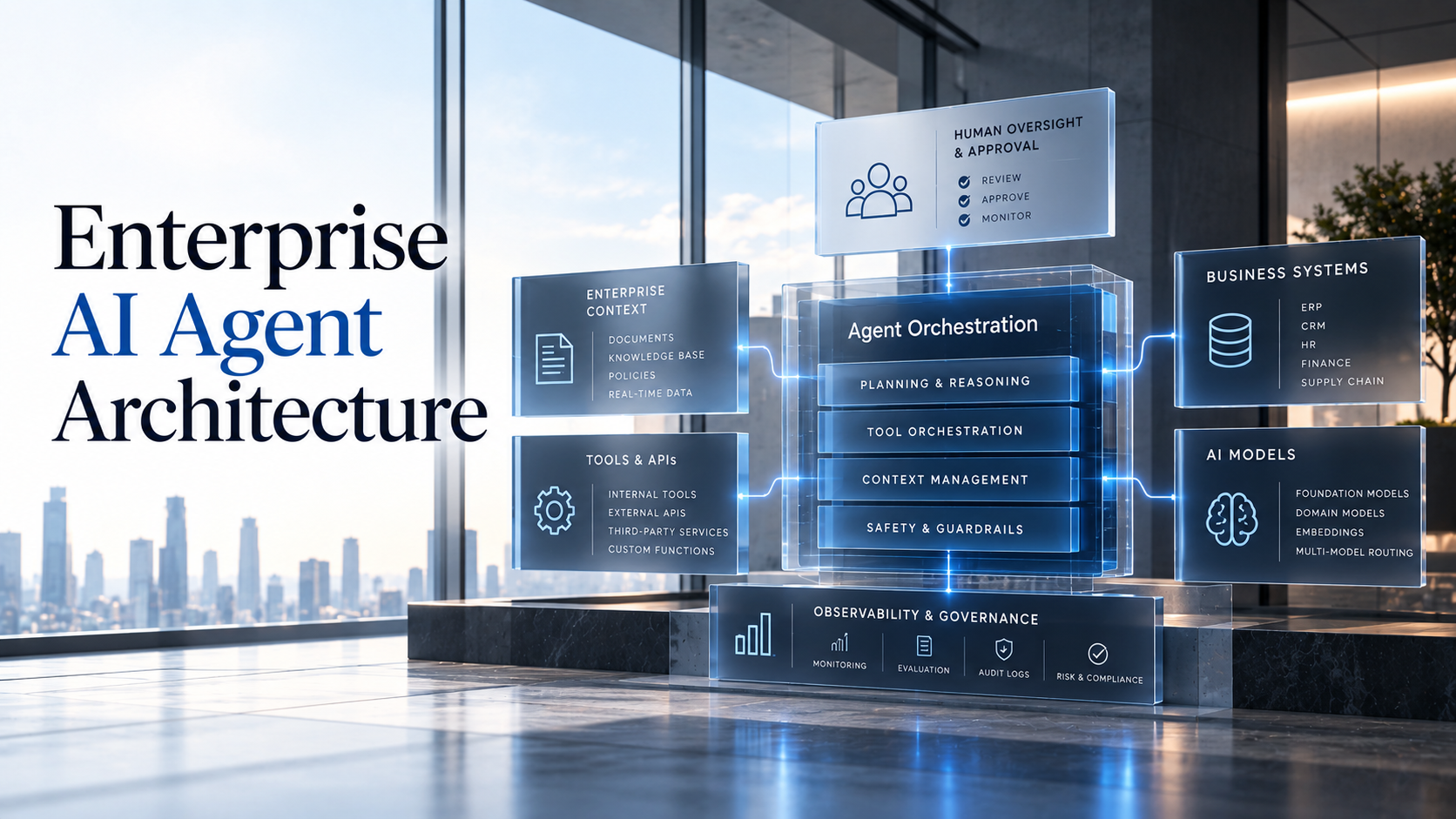
Moving AI agents from pilot to production requires more than a capable model. Explore seven architecture requirements for reliable, secure and scalable enterprise AI agents.
Learn how to define enterprise AI roles and responsibilities after deployment, including ownership across business, technology, data, risk, security and operations.

Explore where AI can add value during SAP S/4HANA modernisation, where it should wait, and how to prioritise AI without adding unnecessary complexity.
Everything you need to know about FWC's fintech technology, automation, and IT consulting solutions
We build the compliance case alongside the product, not after it, so the requirements a reviewer will ask about are already documented and satisfied before that review happens. It's the same reason we named our build process "Compliant by Construction."
Every model we deploy routes ambiguous cases to a human reviewer instead of auto-declining on a probability score alone, and we tune the model against your actual transaction patterns, not a generic fraud dataset that doesn't reflect your customer base.
Compliance is one of the four stages in how we actually build (Design, Secure, Certify, Scale), not a review meeting the week before launch. By the time a release ships, the audit trail already exists.
Our engineers are staffed directly onto your team for embedded delivery, which is faster than a traditional consultancy handoff model, and the compliance work happens in parallel with the build instead of as a separate phase that stalls it.
Encryption and access controls are built into the transaction layer itself, and every third-party integration goes through the same compliance sign-off as anything we build natively, so a partner integration doesn't become your weakest link.
Let’s turn business challenges into opportunities.