



Cloud Strategy and Readiness Assessment
We assess your application portfolio, dependencies, and costs, build the business case, and design a secure landing zone, so migration starts with clear priorities and guardrails.

FWC cloud consulting services combine cloud migration services, DevOps consulting services, and managed operations to turn legacy environments into secure, elastic platforms.
Moving to the cloud is easy to start and hard to finish well. Many enterprises end up with lifted-and-shifted workloads that cost more, deployment pipelines that still depend on manual steps, and security gaps between teams.
FWC approaches cloud as an engineering discipline. We assess your portfolio, choose the right migration path for each application, automate infrastructure as code, and build platform engineering practices that let developers ship safely. FinOps and security are built into the operating model from day one, across AWS, Microsoft Azure, and Google Cloud.

Lift-and-shift migrations often cost more than the data centers they replaced.
Manual deployment steps slow teams and increase failure rates.
Without infrastructure as code, every environment drifts differently.
Shared responsibility is misunderstood, leaving controls unowned.
We assess your application portfolio, dependencies, and costs, build the business case, and design a secure landing zone, so migration starts with clear priorities and guardrails.

FWC plans the right path for each workload, whether rehost, replatform, or refactor, and migrates in waves with replication, parallel runs, and tested rollback to protect availability.
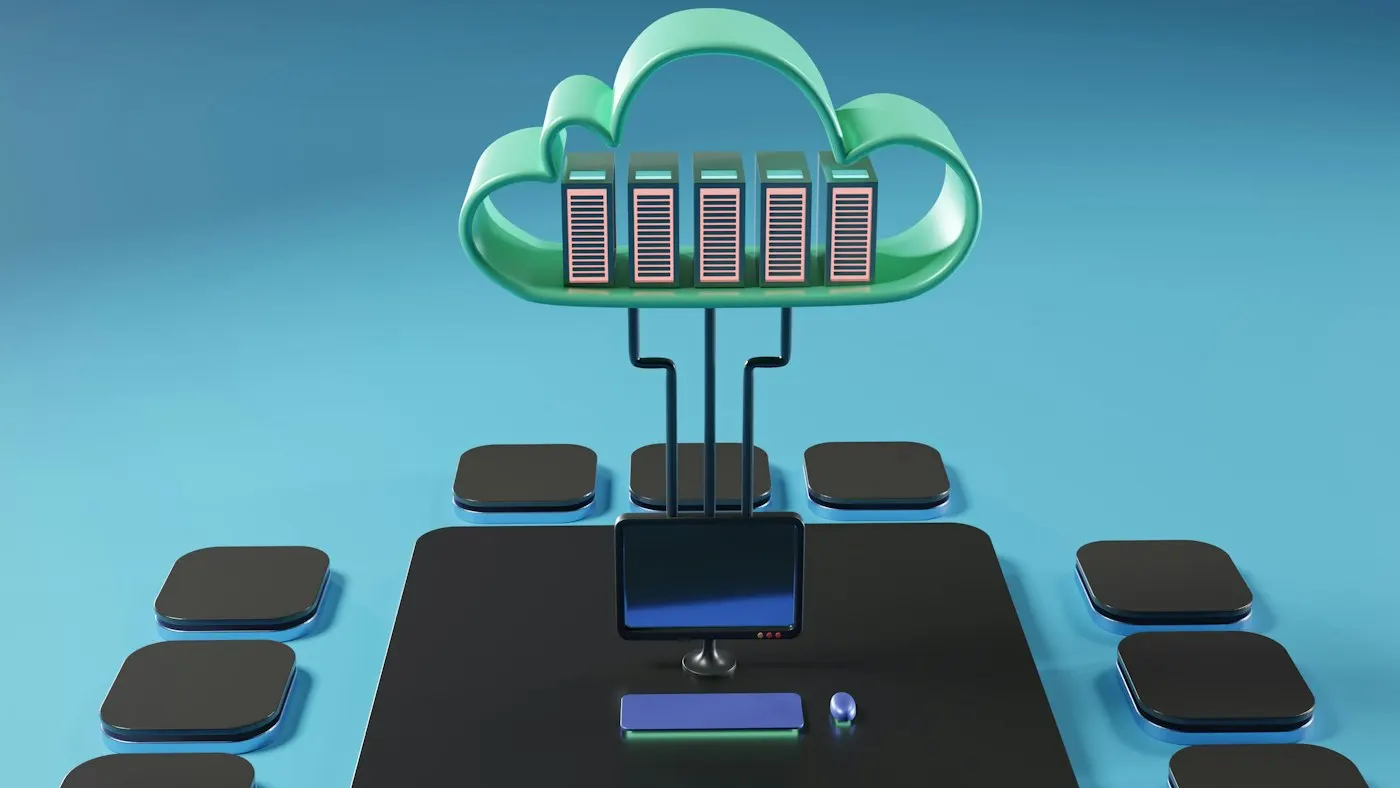
Our engineers re-architect monolithic applications into containers and microservices on Kubernetes, improving scalability and release speed while retiring infrastructure that is costly to maintain.

We build automated build, test, and release pipelines with infrastructure as code, so teams ship changes several times a day with consistent environments and fewer failed deployments.
FWC creates internal developer platforms with golden-path templates, policy guardrails, and self-service environments, letting developers provision what they need without waiting on infrastructure tickets.

We define service level objectives, instrument applications with metrics, logs, and traces, and run incident response practices that reduce outage frequency and recovery time.

Our operations team provides 24/7 monitoring, patching, backup, and disaster recovery for cloud and hybrid environments, with reporting against agreed availability and response targets.

We give teams cost visibility by service, apply rightsizing and commitment planning, and embed DevSecOps controls across AWS, Microsoft Azure, and Google Cloud from the first deployment.
Map applications, dependencies, risk, and cost.
Move workloads in waves with rollback plans.
Codify infrastructure and pipelines.
Tune cost, performance, and security continuously.
FinOps practices keep spend aligned with real usage.
Automated pipelines move code from commit to production safely.
Multi-zone architecture and tested recovery plans protect uptime.
Self-service platforms remove waiting on infrastructure tickets.

Recommendations are based on workload fit, not vendor preference.

DevSecOps controls scan code, containers, and infrastructure automatically.

FinOps dashboards show spend by service and team.

FWC supports run operations after migration, not just cutover day.
Migration factories optimize for the number of servers moved. FWC optimizes for the outcome after the move: lower cost, faster releases, and stronger security. Every workload gets the right path, whether rehost, replatform, or refactor, and platform engineering gives developers safe self-service. FinOps, DevSecOps, and run operations are part of the same engagement, so the cloud keeps improving long after cutover day.

GPU cluster design, AI-ready data center architecture, high-performance networking, liquid cooling, and capacity planning validated under real load before production.
Explore AI Infrastructure
Security assessments, 24/7 managed detection and response, identity and Zero Trust controls, cloud and application security, and audit readiness for major compliance frameworks.
Explore Cybersecurity
24/7 infrastructure monitoring, service desk, managed cloud and application operations, AIOps, and disaster recovery under clear service levels.
Explore Managed IT Services
AI-assisted code analysis and migration, mainframe modernization, cloud-native re-architecture, and API enablement that make legacy systems AI-ready.
Explore AI ModernizationConnecting consulting to growth & impact, bringing together news, insights, articles, and decisions that shape the future.

Do You Need to Modernise Legacy Systems Before Adding AI? No, you do not need to replace every legacy system before introducing AI. What matters is whether the current environment can provide the data, integration, security and performance

AI costs often rise after the pilot because production introduces more than model usage. Real workloads add users, larger context, data retrieval, APIs, retries, monitoring, storage and infrastructure. The useful question is therefore not:

Identity Security in BFSI: Managing Human, Machine and AI-Agent Access The traditional identity security question was relatively simple: Which employee should have access to which system? That question is no longer enough. A modern financia
FWC offers cloud readiness assessments, migration planning and execution, application modernization, DevOps and CI/CD, platform engineering, cloud infrastructure management, and FinOps.
FWC supports AWS, Microsoft Azure, Google Cloud, and hybrid environments, selecting platforms based on workload, compliance, and cost needs.
FWC migrates in planned waves, uses replication and parallel runs, and keeps tested rollback plans, so critical services stay available.
DevOps consulting services include CI/CD pipeline design, infrastructure as code, automated testing, observability, and DevSecOps controls.
FWC applies FinOps practices such as rightsizing, autoscaling, reserved capacity planning, and tagging, so teams see and control their own spend.
Platform engineering builds internal developer platforms with templates, guardrails, and self-service tools. FWC designs and runs these platforms so developers ship faster with consistent security.
Tell us the outcome you need. An FWC architect will map the fastest governed path to get there.