



Omnichannel Commerce Platforms
We build headless storefronts, marketplaces, and mobile apps on one customer and inventory record, so shoppers see consistent prices, stock, and order history across every channel they use.

FWC engineers omnichannel commerce platforms and AI for retail that unify inventory, payments, and customer experience, so every peak becomes an opportunity rather than an incident.
Shoppers move between store, app, marketplace, and social channels in a single purchase. When inventory is out of sync, a promotion crashes checkout, or a recommendation misses the mark, the sale goes to a competitor in seconds.
FWC provides retail software development services that connect the full value chain: storefronts, order management, point of sale, payments, and supply chain. We pair commerce engineers with data scientists and security specialists, so personalization scales with PCI-grade protection and every system is load-tested for the busiest day of your year.

Stock data that differs between store, warehouse, and website leads to cancellations and lost sales.
Checkout slowdowns during sales events cost revenue and damage brand trust.
One-size-fits-all storefronts underperform against competitors that personalize.
Card-not-present fraud grows with every new channel and payment option.
We build headless storefronts, marketplaces, and mobile apps on one customer and inventory record, so shoppers see consistent prices, stock, and order history across every channel they use.

Our distributed order management solutions route each order to the best store or warehouse, enabling ship-from-store, click-and-collect, split shipments, and simple cross-channel returns, all from one order view.

Machine learning models combine sales history, seasonality, promotions, and local signals to predict demand by SKU and store, then trigger replenishment that reduces both stockouts and markdowns.

We develop pricing engines that test elasticity, plan markdowns, and measure promotion lift, helping merchandising teams protect margin while staying competitive on the items shoppers compare most.

FWC implements cloud POS, mobile checkout, and self-service kiosks that share real-time sales and inventory data with every channel and keep trading when store connectivity drops.

We unify online and in-store behavior into one customer profile, then power recommendation engines, targeted offers, and loyalty programs that lift conversion and average basket size.

Our platforms track stock from supplier to warehouse to shelf in real time, flag exceptions early, and automate replenishment triggers so availability matches what customers are promised.

We engineer PCI DSS-aligned payment flows with tokenization, strong customer authentication, and AI fraud screening that blocks suspicious orders without adding friction for genuine shoppers at checkout.
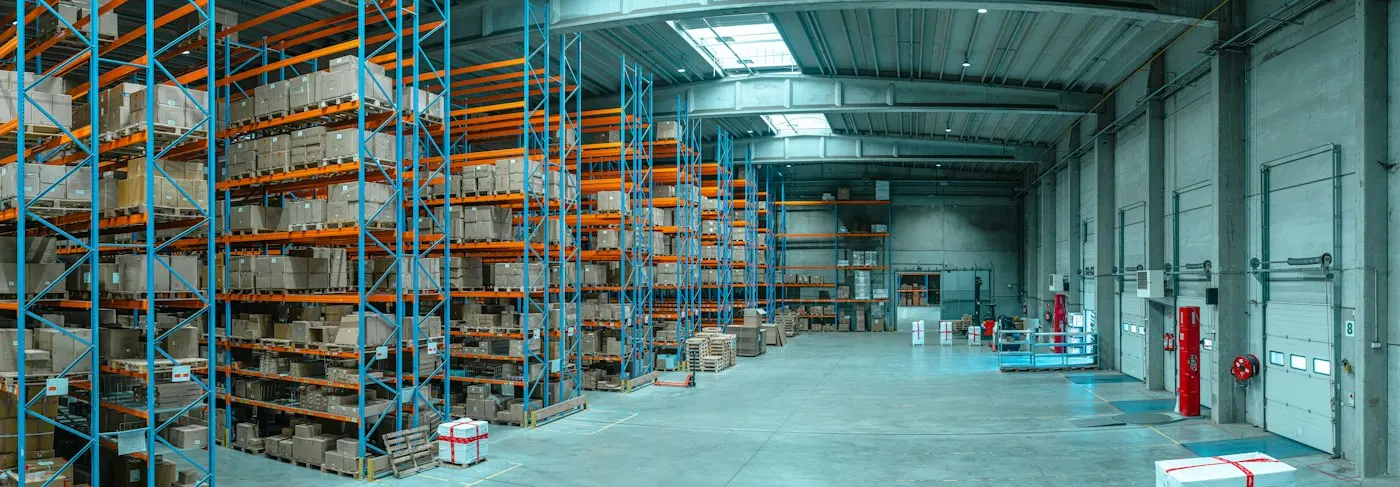
Platforms are performance-tested against your highest-traffic events before launch.

Commerce engineers and AI specialists work together, so insight reaches the storefront quickly.

Payment protection is designed in from day one rather than added after an audit.
FWC favors modular, API-first architecture, so you can swap components without rebuilding the stack.

Seasonal engineering capacity on demand through FWC's vetted talent network.
Platform resellers tend to recommend the product they sell. FWC is platform-neutral and engineers around your existing ERP, POS, and supply chain, adding only the components that move conversion, availability, or margin. Commerce, data, and security engineers work as one team, so a new promotion, the forecast behind it, and the payment protection that secures it are designed and tested together before launch day.
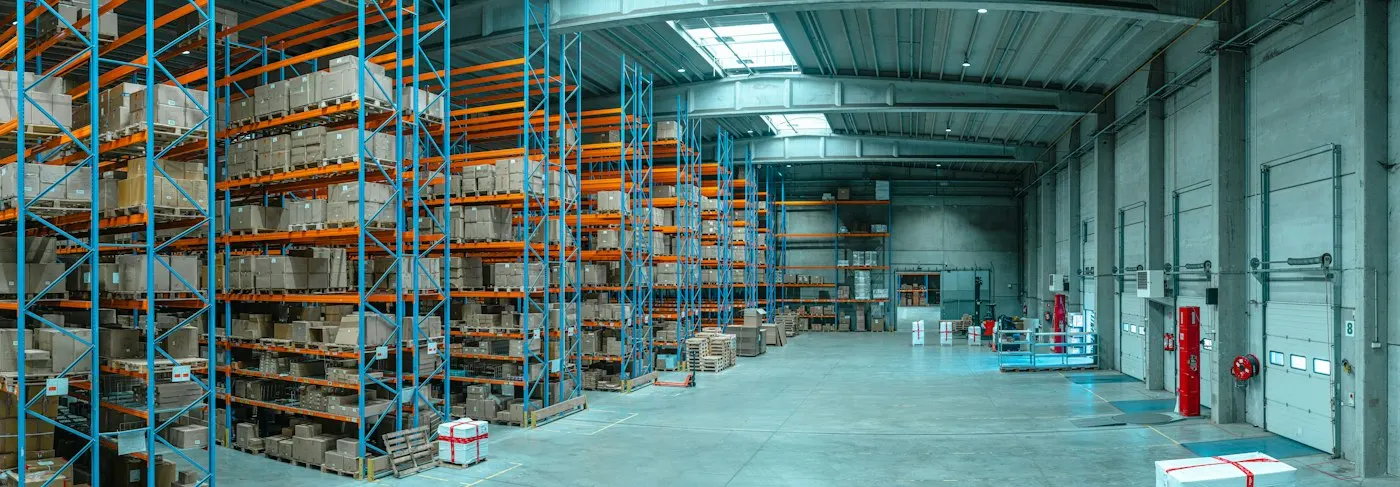
Control towers, route optimization, IoT freight tracking, AI demand planning, and warehouse and transportation management for real-time supply chain visibility.
Explore Supply Chain & Logistics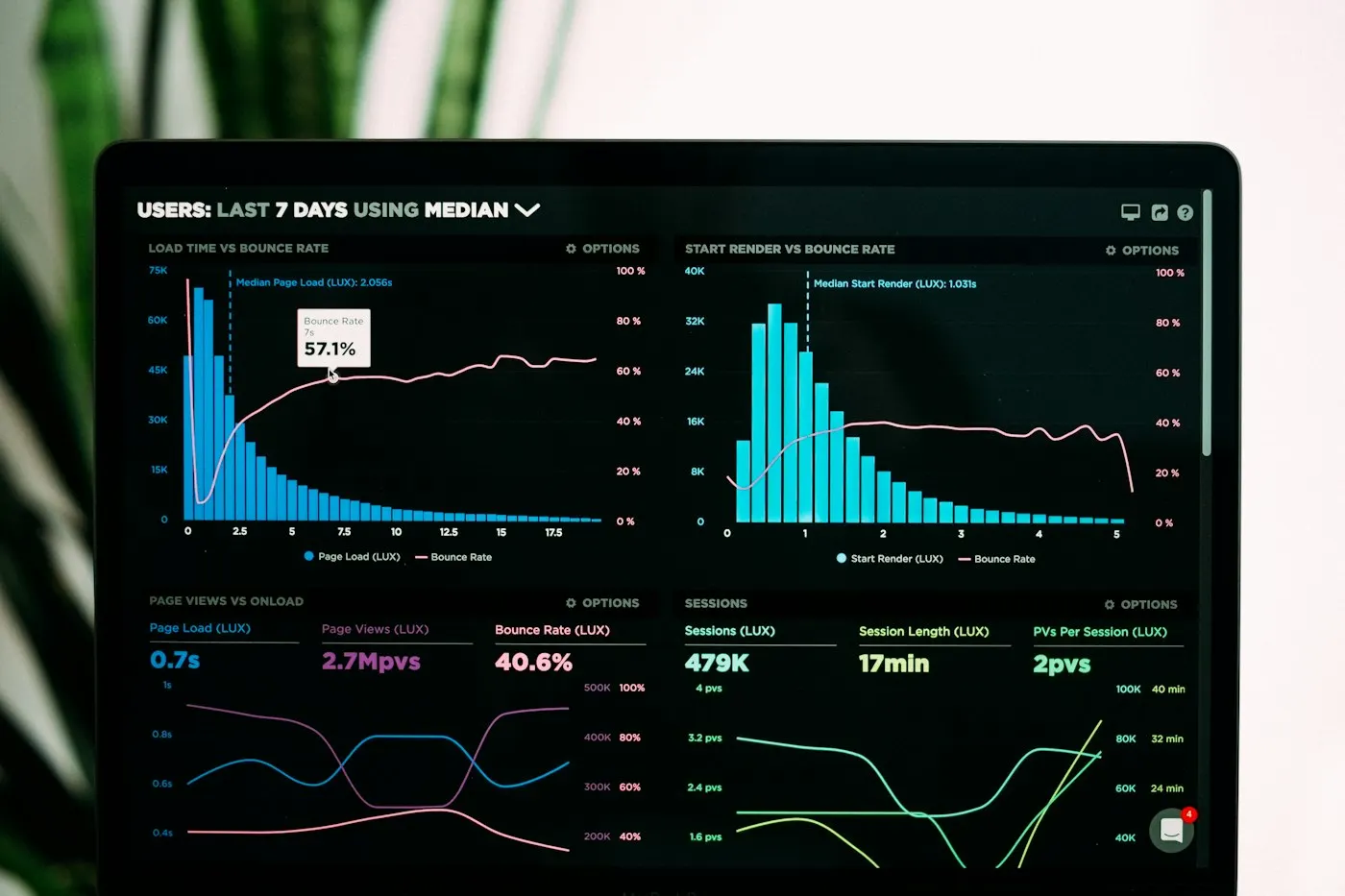
Demand forecasting, fraud detection, risk scoring, and churn prediction models deployed with MLOps, monitoring, and explainable outputs.
Explore Predictive AI / ML
Product discovery and UX design, MVP and full-stack development, mobile apps, SaaS platforms, and QA automation delivered by cross-functional pods.
Explore Product Development
Security assessments, 24/7 managed detection and response, identity and Zero Trust controls, cloud and application security, and audit readiness for major compliance frameworks.
Explore CybersecurityConnecting consulting to growth & impact, bringing together news, insights, articles, and decisions that shape the future.

Do You Need to Modernise Legacy Systems Before Adding AI? No, you do not need to replace every legacy system before introducing AI. What matters is whether the current environment can provide the data, integration, security and performance

AI costs often rise after the pilot because production introduces more than model usage. Real workloads add users, larger context, data retrieval, APIs, retries, monitoring, storage and infrastructure. The useful question is therefore not:

Identity Security in BFSI: Managing Human, Machine and AI-Agent Access The traditional identity security question was relatively simple: Which employee should have access to which system? That question is no longer enough. A modern financia
FWC offers omnichannel commerce platforms, AI demand forecasting, cloud and predictive POS, personalization engines, supply chain and inventory visibility, and PCI DSS-aligned payment and fraud solutions.
AI demand forecasting analyzes sales history, seasonality, promotions, and external signals to predict demand by SKU and location, helping retailers reduce stockouts, overstock, and costly markdowns.
Yes. FWC builds API-first integrations that connect storefronts, order management, ERP, and POS, so inventory and customer data stay consistent across every channel.
FWC designs payment flows aligned with PCI DSS, uses tokenization and encryption, and adds AI-based fraud screening so protection does not slow down checkout.
Yes. FWC provides seasonal engineering and support capacity from a pre-vetted talent pool, alongside load testing and on-call coverage for high-traffic events.
Yes. FWC connects POS, warehouse, and e-commerce systems into a single real-time inventory view, enabling buy online, pick up in store, ship-from-store, and accurate stock promises on every channel.
Tell us the outcome you need. An FWC architect will map the fastest governed path to get there.