



Visual Inspection and Defect Detection
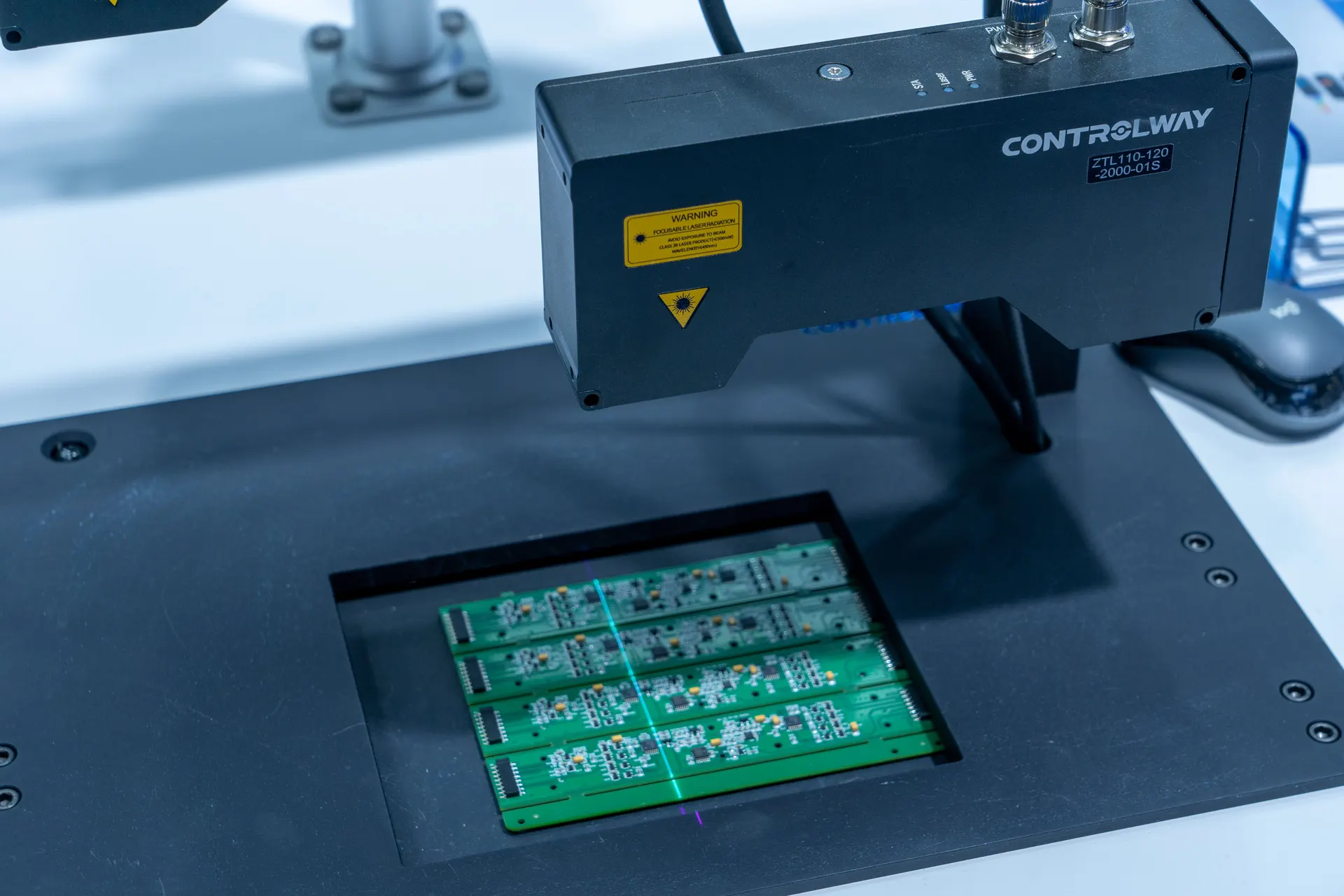
We train models on your products and conditions to perform defect detection for scratches, misalignments, and missing components at line speed, with results logged per item.

FWC builds visual inspection AI, OCR solutions, and object detection that run reliably at production speed, on the edge or in the cloud.
Cameras and scanners already capture huge amounts of visual information, yet most of it is reviewed manually or not at all. Manual inspection is slow, inconsistent, and difficult to scale across shifts and sites.
FWC computer vision development services turn that visual data into decisions. We collect and label data, train models for your specific conditions, and deploy them on edge devices or in the cloud with monitoring that tracks accuracy over time. Results integrate with MES, ERP, and operational workflows, so detections trigger action.
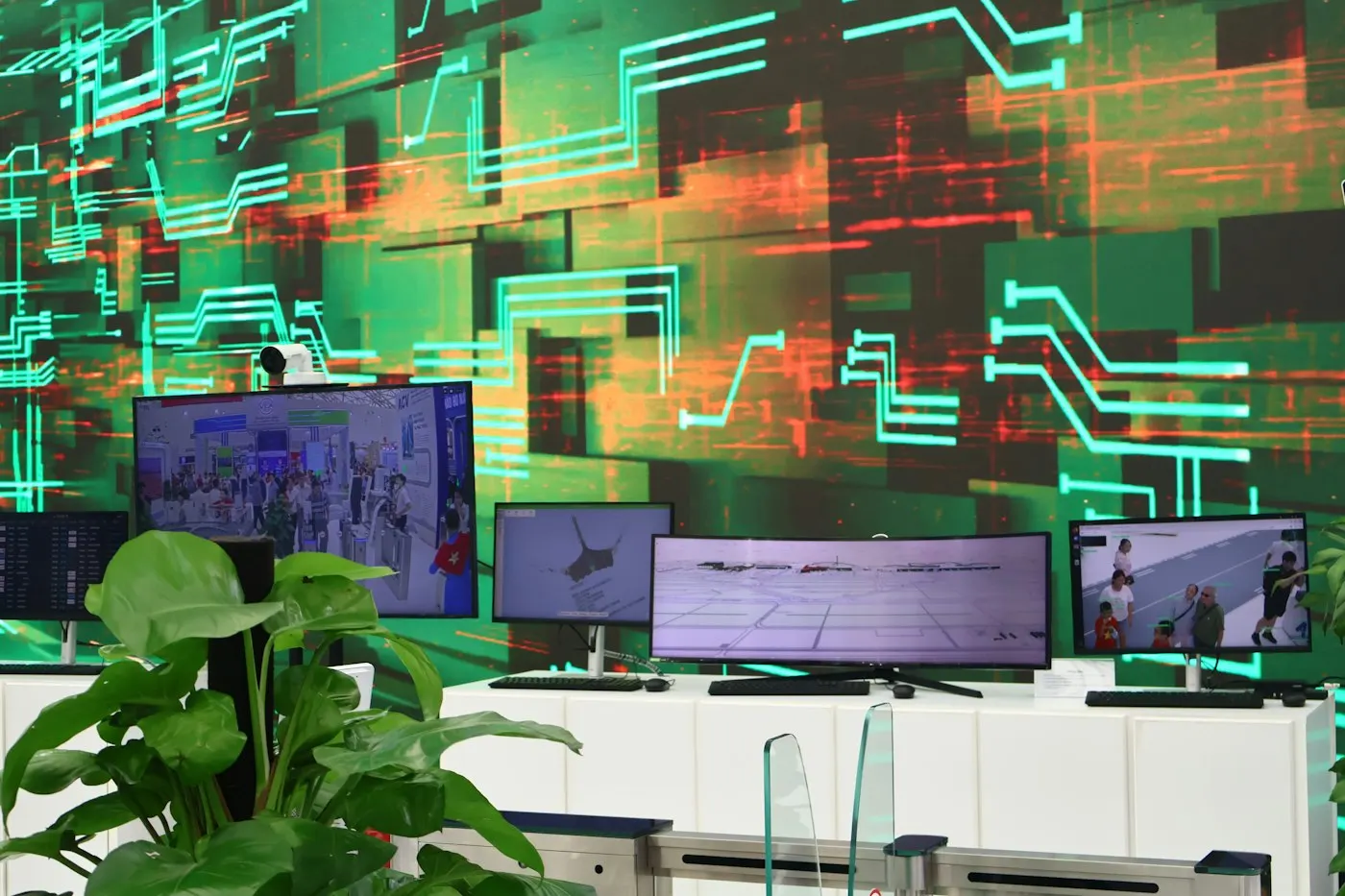
Fatigue and subjectivity cause missed defects.
Documents and labels still require manual data entry.
Video is recorded but rarely analyzed.
Hazards are spotted only after incidents occur.
We train models on your products and conditions to perform defect detection for scratches, misalignments, and missing components at line speed, with results logged per item.

FWC combines image preprocessing, modern OCR, and validation rules to extract text and fields from documents, labels, and forms, enabling accurate document digitization at high volume.

Our object detection models count, locate, and track items, vehicles, or people across camera views, supporting inventory, traffic, and security use cases in real time.

We build image recognition models that identify and sort products, parts, and scenes automatically, replacing slow manual sorting and visual checks on production lines and in warehouses.

FWC applies video analytics to detect missing protective equipment, restricted-zone entry, and unsafe behavior, sending real-time alerts to supervisors and recording incidents for review and training purposes.
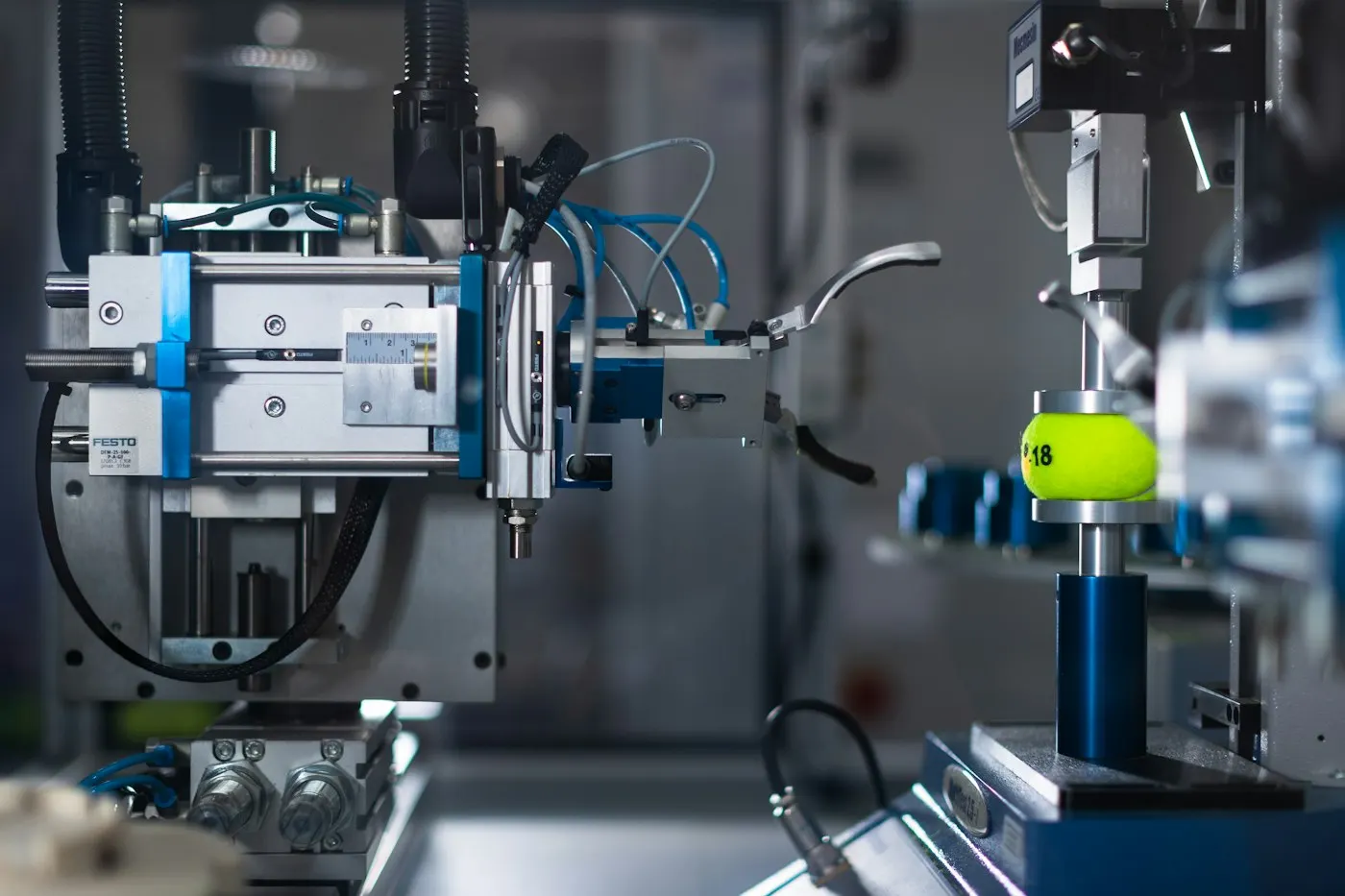
We optimize and deploy models on cameras and edge AI hardware for millisecond decisions that keep working when network connectivity is limited or unavailable on site.
Our teams manage image collection, annotation, augmentation, and training, building high-quality datasets and custom models tuned to your environment, with quality checks at every stage of the pipeline.
We track accuracy in production, capture difficult cases, and retrain models as lighting, products, or processes change, so inspection quality stays consistent across shifts, sites, and seasons.
Quality inspection and assembly verification.
Shelf monitoring and package scanning.
Document and image processing with clinical review.
Asset and site inspection.
Consistent inspection catches defects before shipment.
Documents and images are read in seconds.
Real-time alerts flag hazards as they appear.
Existing camera networks become a source of insight.

Models are trained on your lighting, angles, and variations.
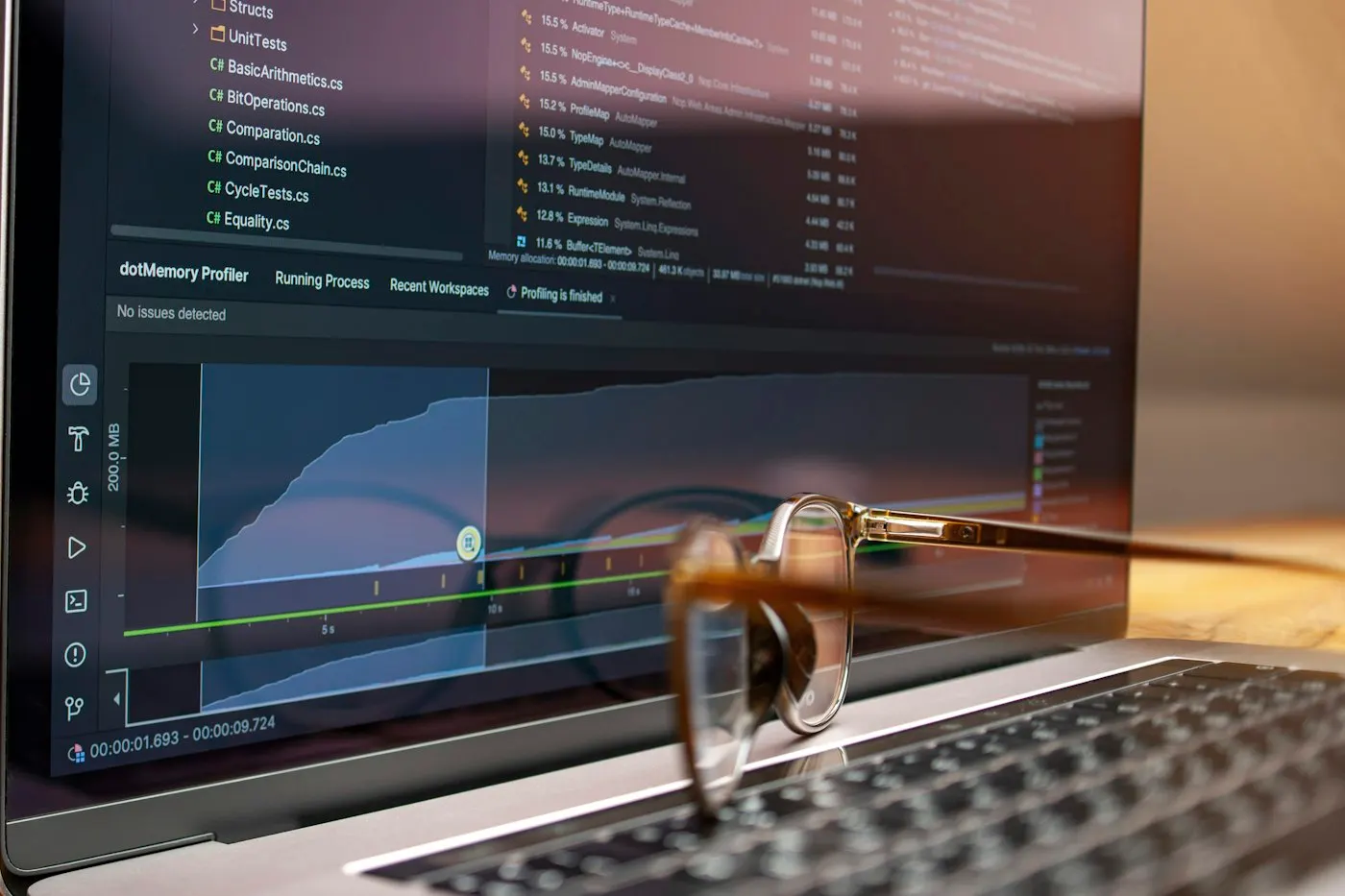
Deployment matches latency and connectivity needs.
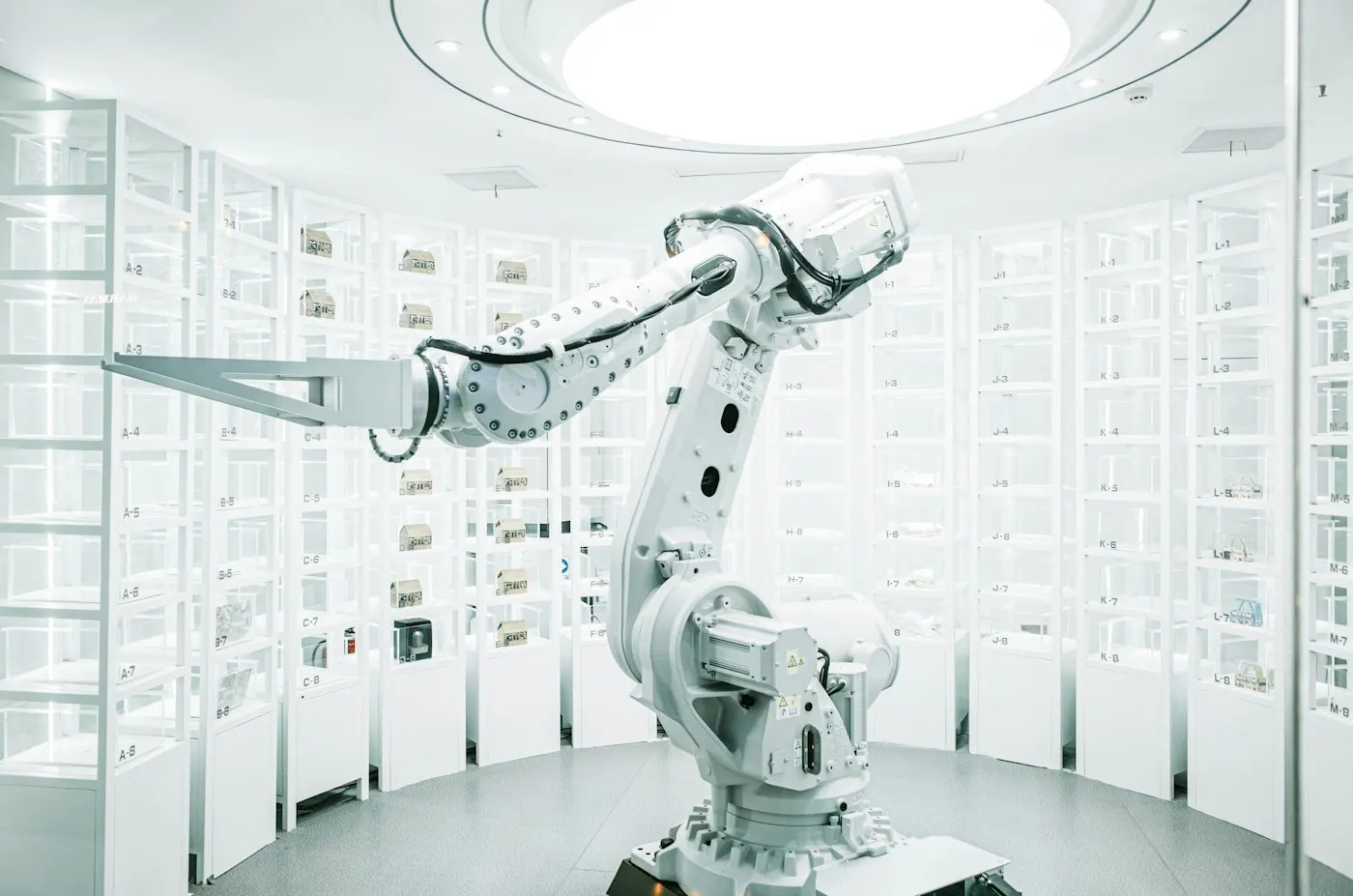
Detections trigger actions in operational systems.
Masking and access controls protect sensitive imagery.
Generic image recognition APIs are trained on everyday photos, not your products, defects, or documents. FWC builds custom models using your own images, tunes them for your lighting and camera setups, and deploys them where decisions happen. Results flow directly into operational systems, and accuracy is monitored over time, so computer vision stays reliable as conditions change.
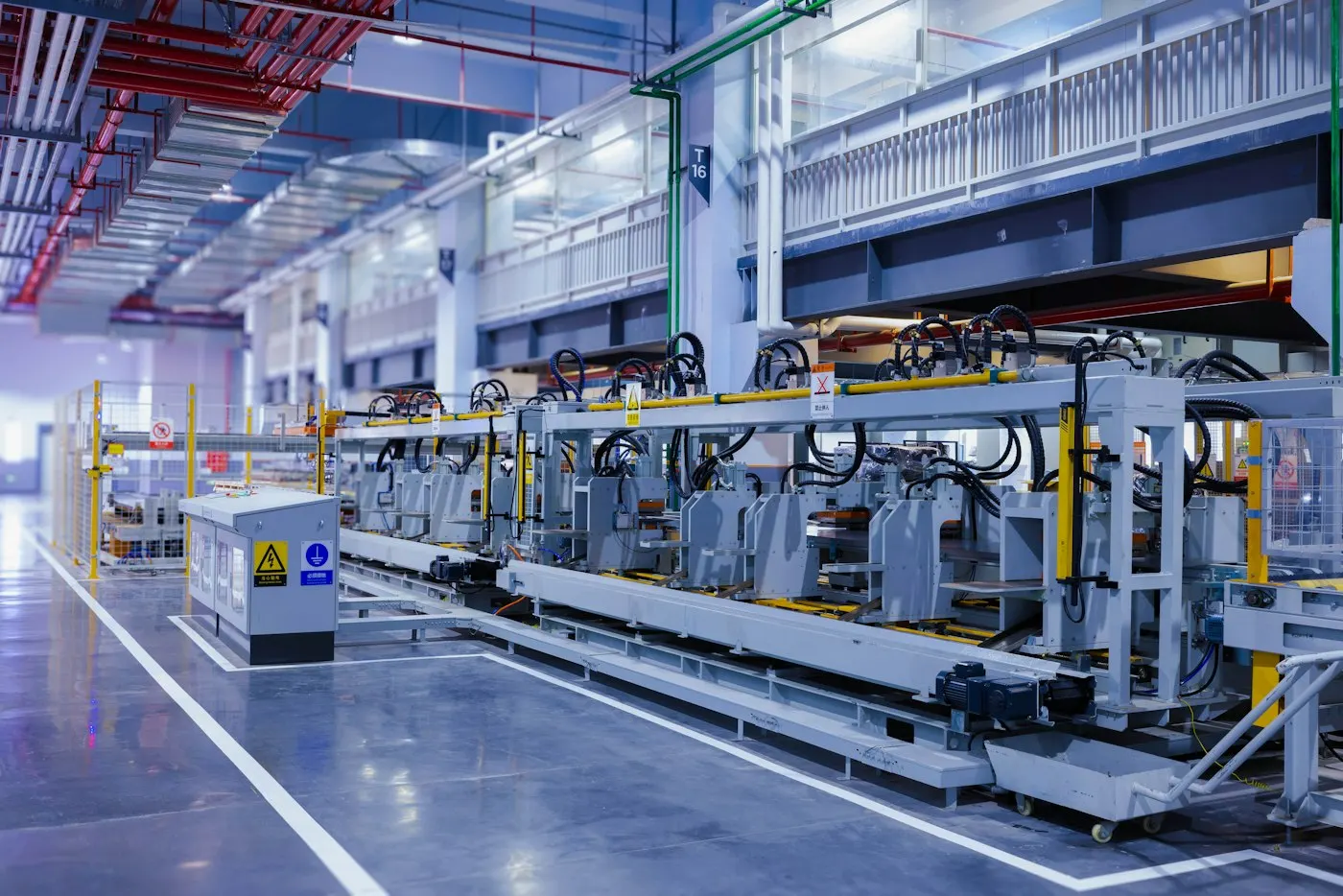
Industrial IoT, MES integration, digital twins, predictive maintenance, and AI quality inspection that connect the shop floor with ERP and supply chain systems.
Explore Manufacturing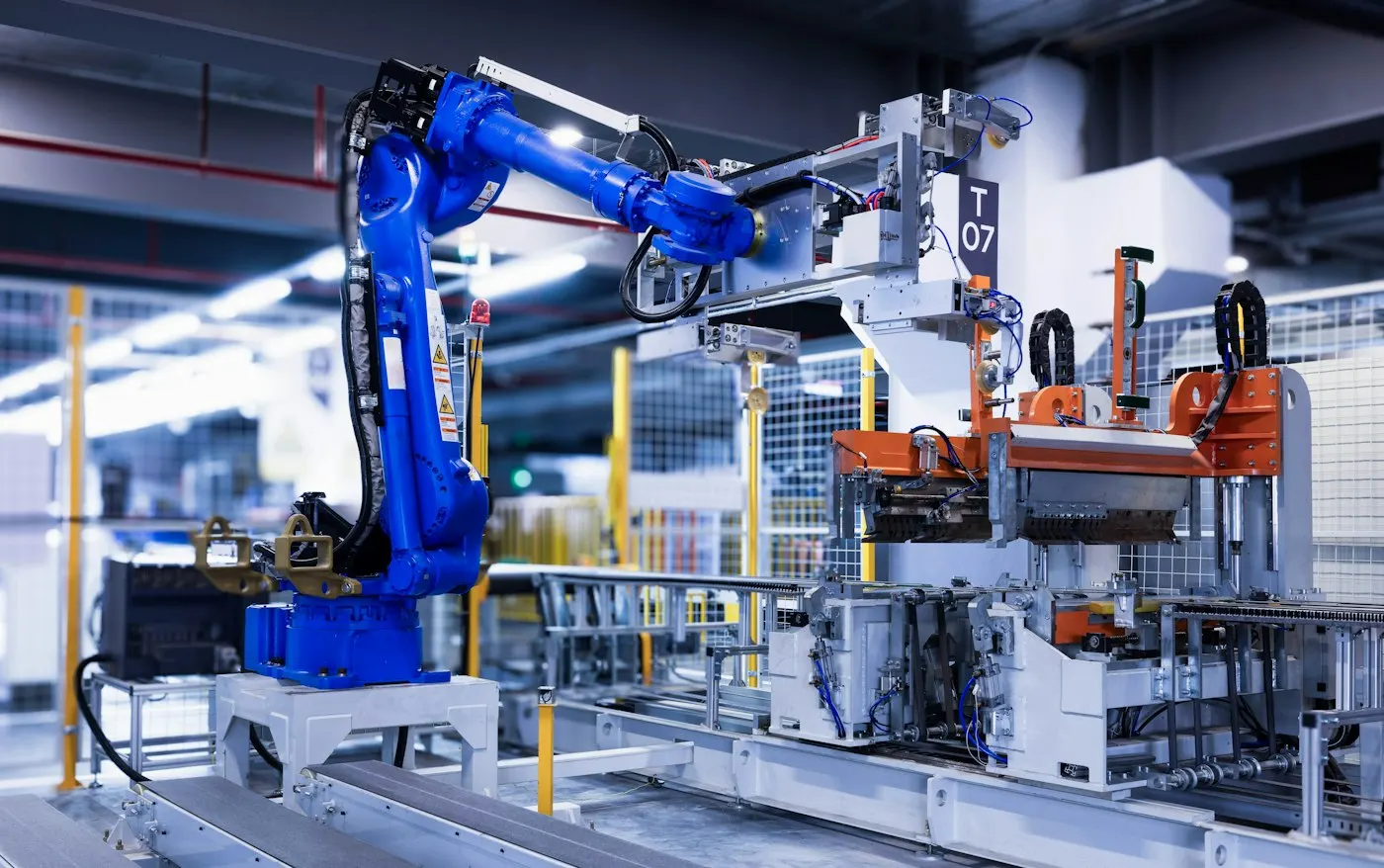
Intelligent document processing, ERP and SAP automation, AI-powered decisioning, and agent-assisted workflows that handle exceptions as well as rules.
Explore AI Automation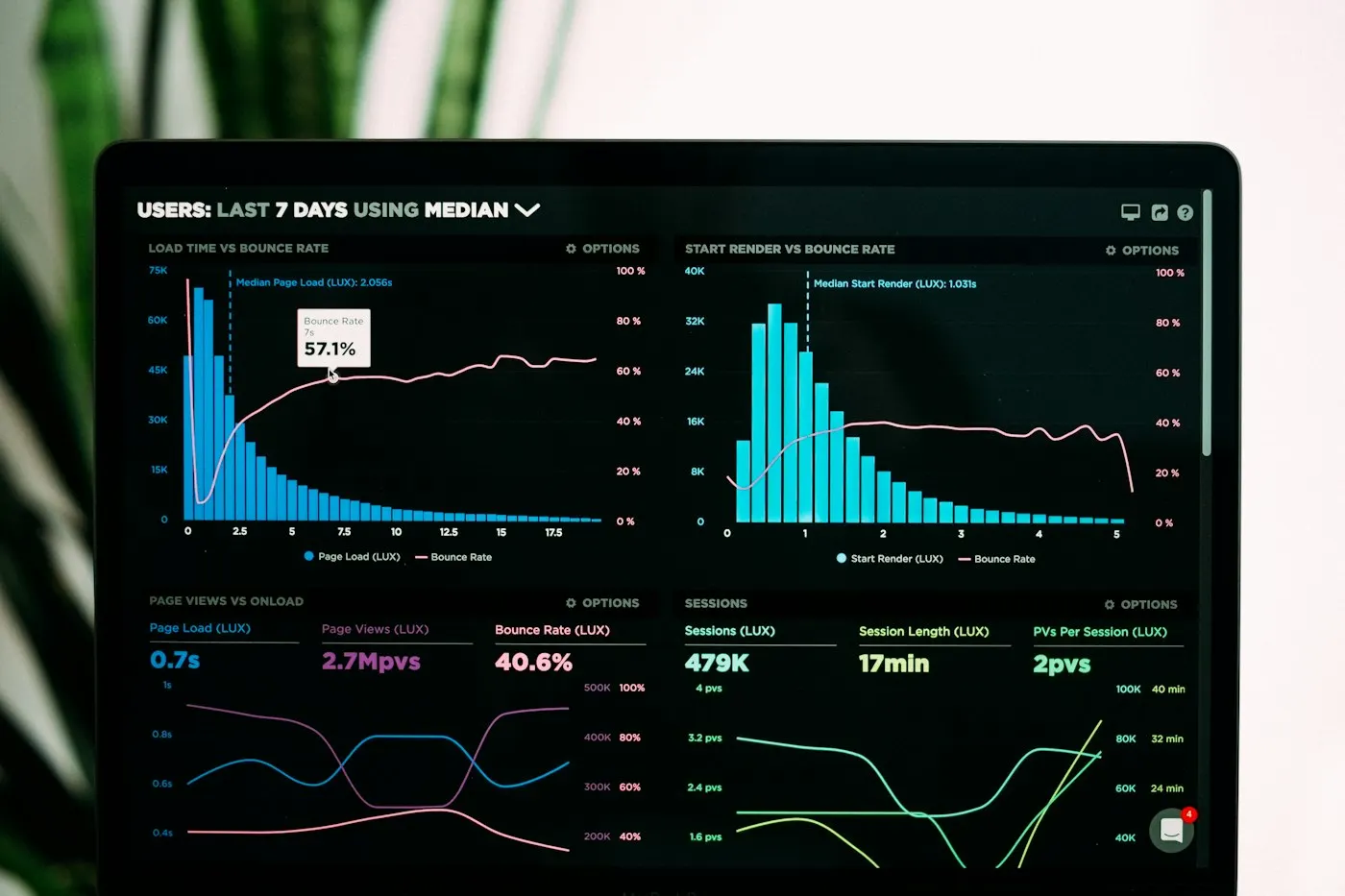
Demand forecasting, fraud detection, risk scoring, and churn prediction models deployed with MLOps, monitoring, and explainable outputs.
Explore Predictive AI / ML
Omnichannel commerce platforms, AI demand forecasting, modern point of sale, and secure payments that keep inventory, pricing, and customer experience consistent across every channel.
Explore RetailConnecting consulting to growth & impact, bringing together news, insights, articles, and decisions that shape the future.

Do You Need to Modernise Legacy Systems Before Adding AI? No, you do not need to replace every legacy system before introducing AI. What matters is whether the current environment can provide the data, integration, security and performance

AI costs often rise after the pilot because production introduces more than model usage. Real workloads add users, larger context, data retrieval, APIs, retries, monitoring, storage and infrastructure. The useful question is therefore not:

Identity Security in BFSI: Managing Human, Machine and AI-Agent Access The traditional identity security question was relatively simple: Which employee should have access to which system? That question is no longer enough. A modern financia
FWC offers visual inspection and defect detection, OCR and document digitization, object detection and tracking, video analytics for safety, edge AI deployment, and data labeling and model training.
Accuracy depends on data quality and conditions. FWC sets target metrics during the pilot and validates models on real production samples before rollout.
Yes. FWC optimizes models for edge hardware so decisions happen in milliseconds without depending on network connectivity.
FWC combines image preprocessing, modern OCR models, and validation rules, and routes low-confidence results to people for review.
It varies by use case. FWC often starts with a smaller labeled dataset, uses augmentation and transfer learning, and expands data as needed.
Image recognition identifies what is in an image. Computer vision is broader, including detection, tracking, inspection, and measurement that drive automated decisions and actions.
Tell us the outcome you need. An FWC architect will map the fastest governed path to get there.