



Agentic AI Strategy and Use Case Design
We assess workflows for agent suitability, estimate value and risk, and define each agent's goals, tools, permissions, and success metrics before any build begins.

FWC builds multi-agent systems and agentic AI solutions that complete real enterprise work inside your CRM, ERP, and ticketing tools, under permissions your team controls.
A chatbot answers a question. An AI agent reasons through a goal, calls the tools it needs, and completes the work, from lookup to execution. That shift moves AI from a helpful assistant to real operational capacity.
FWC engineers agents for enterprise conditions: messy data, legacy systems, strict access controls, and real accountability. We design each agent's scope, connect it securely to your systems through APIs and standards such as Model Context Protocol, and build human-in-the-loop checkpoints for decisions that need judgment.

Skilled people spend hours on lookups, updates, and hand-offs.
Requests queue overnight and over weekends.
Work spans systems that do not talk to each other.
Assistants answer questions but leave the action to people.
We assess workflows for agent suitability, estimate value and risk, and define each agent's goals, tools, permissions, and success metrics before any build begins.

FWC builds autonomous agents that break a goal into steps, call the right systems, and complete multi-step tasks, pausing for human approval where business impact is high.

Our engineers design multi-agent systems in which specialized agents handle research, execution, and review, sharing context so the overall process stays accurate and consistent.

We engineer the agent orchestration layer that sequences tasks, manages memory and state, handles retries, and hands work between agents and people without losing context.
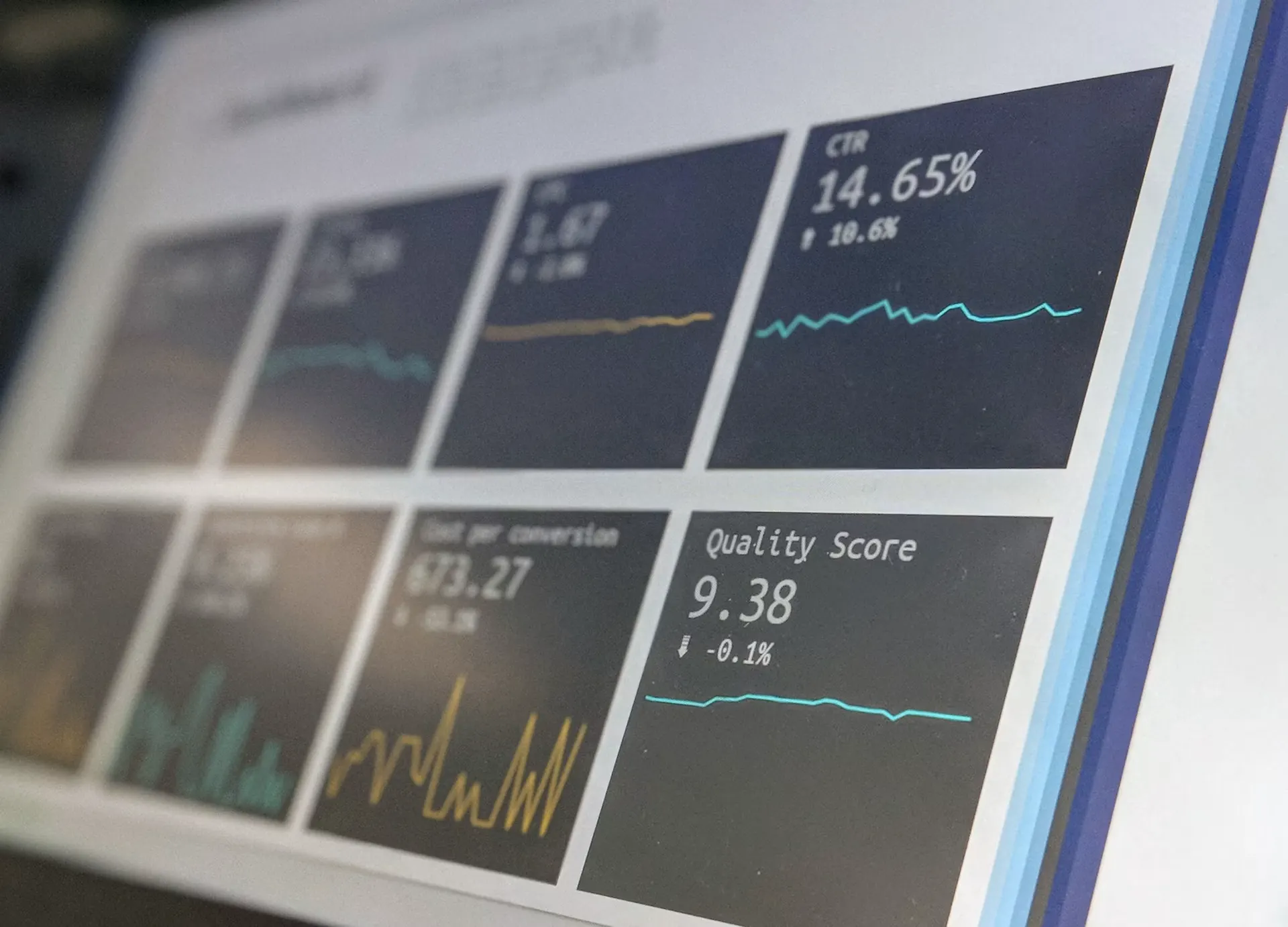
FWC connects tool-using agents to APIs, databases, and applications through secure connectors and standards such as Model Context Protocol, with every call logged for later review.

We embed agents in CRM, ERP, ITSM, and collaboration platforms using existing identity and access controls, so enterprise integration never bypasses your security model.

Our teams implement permission limits, policy checks, human-in-the-loop approvals, and audit logs, giving compliance teams a full record of agent actions and the reasoning behind each one.

We test agents in simulation against realistic scenarios, then monitor accuracy, escalation rates, and cost per task in production to guide improvement after every release.
Triage and resolve routine tickets around the clock.
Qualify leads and book first meetings.
Triage alerts and surface incidents that need a human decision.
Reconcile records, process invoices, and prepare reports.
Agents work through queues outside business hours.
Multi-step tasks finish in minutes instead of days.
Teams focus on judgment, relationships, and exceptions.
Audit logs show every action an agent took and why.

Every agent has permission limits, audit logs, and human checkpoints.

Agents work inside existing systems, not a separate platform.

Agents are evaluated in simulation before production access.

FWC selects models for accuracy, latency, cost, and privacy.
Platform vendors provide frameworks; FWC delivers working agents. We design scope, permissions, tools, and escalation paths for each workflow, evaluate agents in simulation, and monitor them in production. Because agents run inside your existing systems with your access controls, adoption is faster and risk is lower than introducing a separate agent platform your teams must learn and secure.

RAG knowledge assistants, role-specific AI copilots, LLM fine-tuning, and GenAI platform engineering grounded in your enterprise data and protected by guardrails.
Explore Generative AI
Intelligent document processing, ERP and SAP automation, AI-powered decisioning, and agent-assisted workflows that handle exceptions as well as rules.
Explore AI Automation
Conversational bots for customer support, IT helpdesk, HR, and recruiting that answer from approved knowledge, complete tasks, and hand off to people.
Explore AI Bots
Security assessments, 24/7 managed detection and response, identity and Zero Trust controls, cloud and application security, and audit readiness for major compliance frameworks.
Explore CybersecurityConnecting consulting to growth & impact, bringing together news, insights, articles, and decisions that shape the future.

Do You Need to Modernise Legacy Systems Before Adding AI? No, you do not need to replace every legacy system before introducing AI. What matters is whether the current environment can provide the data, integration, security and performance

AI costs often rise after the pilot because production introduces more than model usage. Real workloads add users, larger context, data retrieval, APIs, retries, monitoring, storage and infrastructure. The useful question is therefore not:

Identity Security in BFSI: Managing Human, Machine and AI-Agent Access The traditional identity security question was relatively simple: Which employee should have access to which system? That question is no longer enough. A modern financia
A chatbot answers questions. An AI agent reasons through a task and completes it, calling the tools and systems it needs instead of handing the last step to a person.
Yes. FWC embeds agents into existing CRM, ERP, and ticketing platforms through secure APIs and integration standards.
Agent orchestration sequences tasks, manages shared context, and monitors hand-offs, so agents work as one coordinated system.
FWC scopes autonomy deliberately. Agents act within defined permissions, and decisions with real business impact require human approval.
FWC tracks task completion rate, accuracy, escalation rate, time saved, and cost per task, using evaluation suites and live monitoring.
FWC agents integrate with CRM, ERP, ITSM, HR, collaboration, and data platforms through APIs and standards such as Model Context Protocol.
Tell us the outcome you need. An FWC architect will map the fastest governed path to get there.