



24/7 Infrastructure Monitoring
We monitor servers, storage, cloud resources, and databases around the clock, correlating alerts and acting on early warning signs before they affect users or business operations.

FWC delivers 24/7 infrastructure monitoring and managed IT operations, so your teams spend their time on growth instead of firefighting.
Keeping infrastructure healthy is a full-time job: patches, alerts, backups, user tickets, and incidents that arrive at the worst possible time. For many organizations, routine operations consume the same people who should be driving transformation.
FWC managed IT services take responsibility for day-to-day operations under clear SLAs. We monitor infrastructure and applications continuously, resolve incidents, run the service desk, and use AIOps to detect problems before users notice. You get predictable costs, transparent reporting, and teams freed to focus on strategy. Scopes range from a single function, such as the service desk, to full infrastructure and application operations, each governed by agreed response and resolution targets.

Teams spend most of their time reacting to incidents.
Delayed updates leave systems vulnerable.
Nights, weekends, and holidays create support gaps.
Limited monitoring hides performance issues until users complain.
We monitor servers, storage, cloud resources, and databases around the clock, correlating alerts and acting on early warning signs before they affect users or business operations.

FWC runs a multi-channel service desk on ITIL-aligned processes, resolving employee issues through chat, phone, and portal with clear response and resolution targets for every priority level.

Our engineers handle day-to-day cloud administration, cost optimization, backup, and security hardening across your environments, with monthly reporting on performance and spend against agreed targets.

We support business applications with incident resolution, minor enhancements, release management, and performance tuning under service levels agreed for each application tier, from critical to routine.
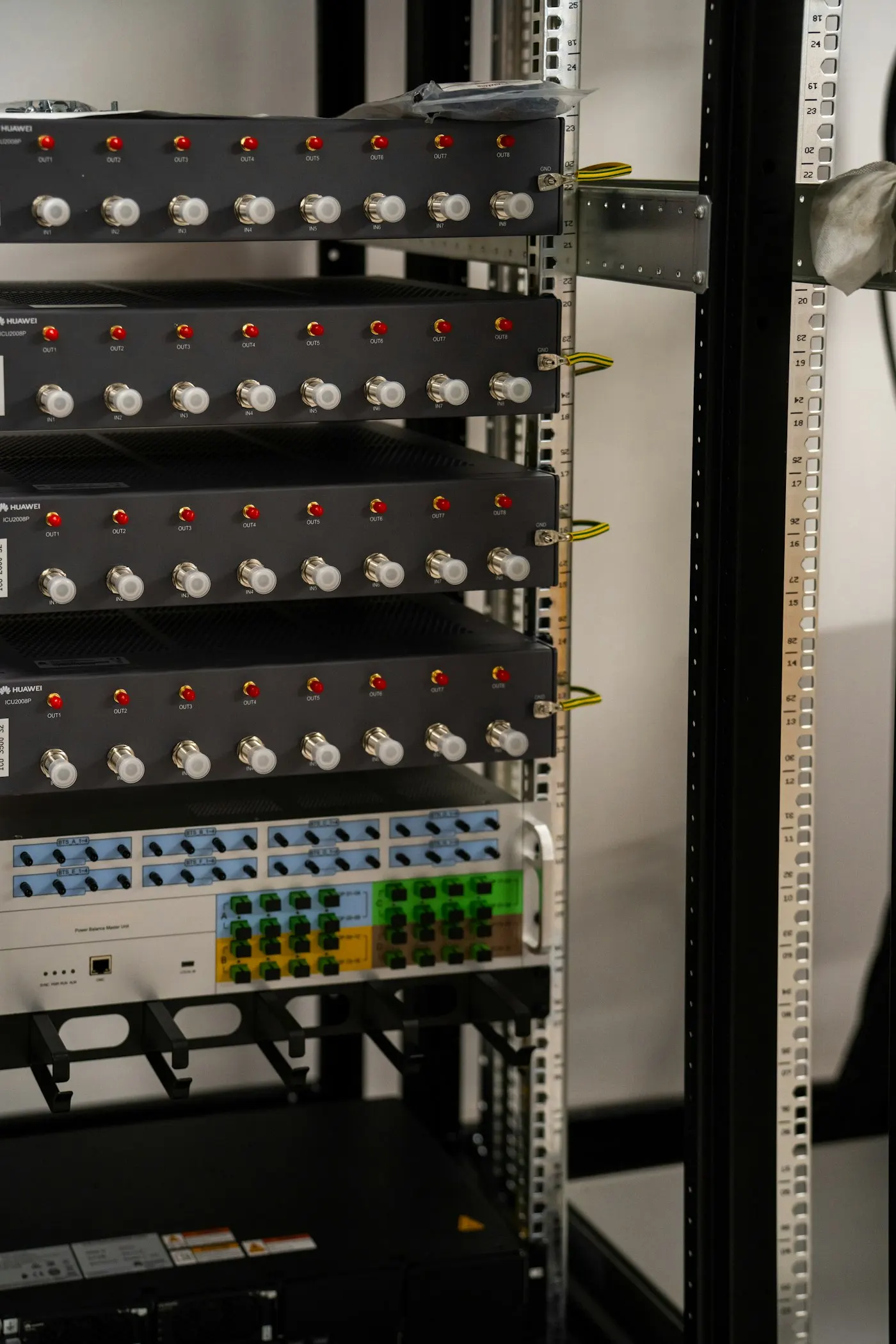
FWC manages LAN, WAN, and Wi-Fi infrastructure through a network operations center, covering configuration, performance monitoring, and fault resolution, capacity planning, and coordination with carriers and equipment vendors.
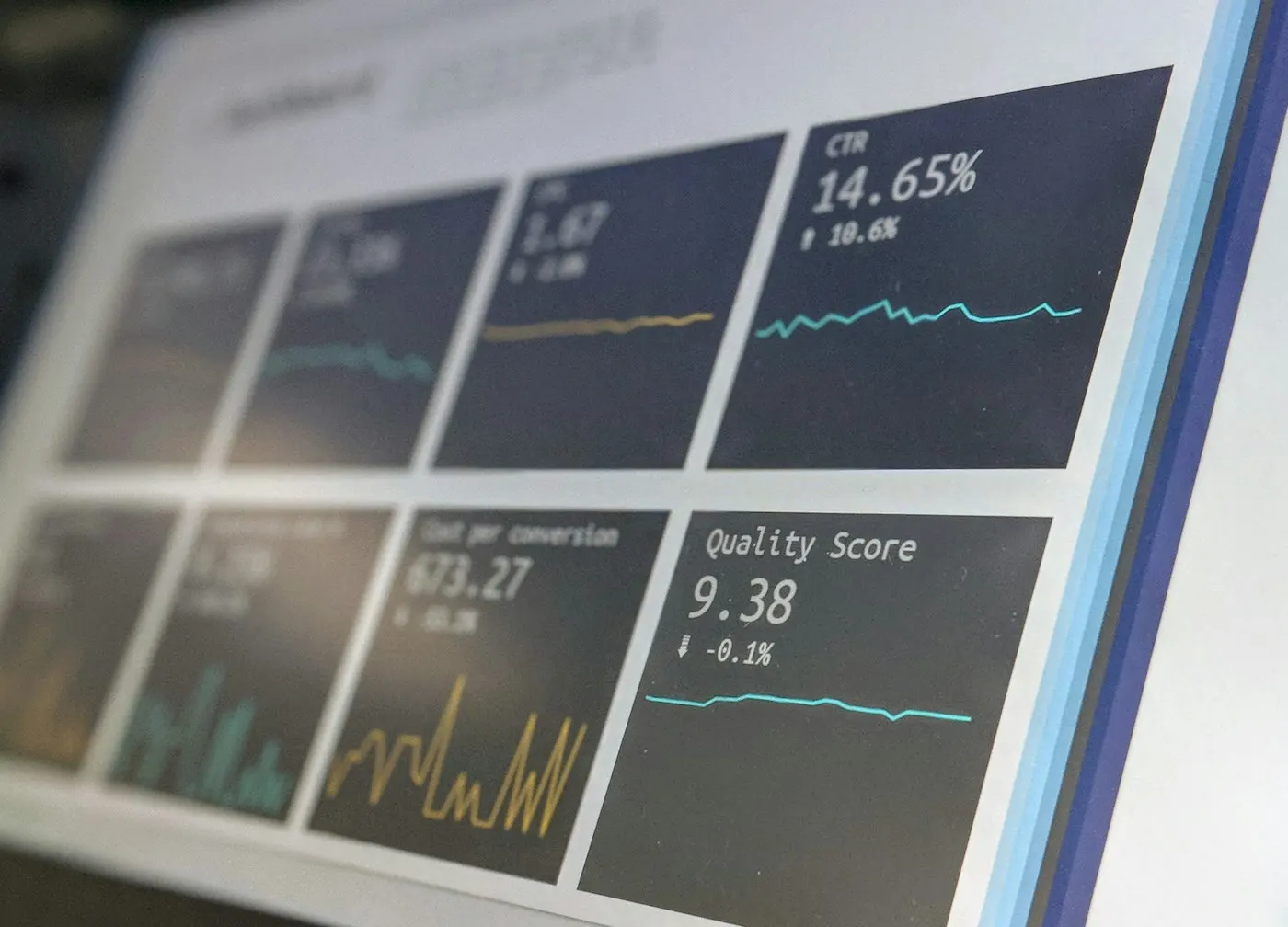
We provide threat monitoring, access control, vulnerability remediation, and disciplined patch management, keeping systems protected and audit-ready across servers, endpoints, and cloud workloads, with monthly compliance reporting.

Our database administrators handle performance tuning, upgrades, backup verification, and high-availability configuration for leading database platforms, including capacity planning, security hardening, and query optimization for business-critical workloads.

We apply AIOps to reduce alert noise and automate routine fixes, and maintain verified backups and regularly tested disaster recovery plans aligned to your recovery objectives.
Document environments and transfer knowledge.
Fix recurring issues and establish baselines.
Run 24/7 operations against agreed SLAs.
Automate and optimize continuously.
Proactive monitoring catches issues before outages occur.
Fixed service scopes replace unplanned firefighting spend.
Faster service desk resolution keeps people productive.
Internal teams move from operations to transformation work.
Root-cause fixes reduce recurring tickets over time.

Up to 99.9% SLA commitments with transparent reporting.

AIOps reduces noise and speeds up resolution.

US and India teams provide continuous coverage.

Dashboards and monthly, quarterly, and annual reviews.
Traditional providers often staff tickets and stop there. FWC reduces ticket volume over time by automating routine fixes, removing recurring root causes, and sharing improvement plans in every review. Network operations, cloud, security, and service desk are managed together, so issues are solved across layers rather than passed between vendors, and reporting is transparent enough to hold us accountable.

Cloud strategy, migration, application modernization on Kubernetes, DevOps pipelines, platform engineering, and FinOps across AWS, Microsoft Azure, and Google Cloud.
Explore Cloud & Infrastructure
Security assessments, 24/7 managed detection and response, identity and Zero Trust controls, cloud and application security, and audit readiness for major compliance frameworks.
Explore Cybersecurity
Conversational bots for customer support, IT helpdesk, HR, and recruiting that answer from approved knowledge, complete tasks, and hand off to people.
Explore AI Bots
Vetted contract engineers, dedicated development teams, and 200+ niche skills, backed by top vetting, a 2-week pilot, and rapid replacement.
Explore IT TalentConnecting consulting to growth & impact, bringing together news, insights, articles, and decisions that shape the future.

Do You Need to Modernise Legacy Systems Before Adding AI? No, you do not need to replace every legacy system before introducing AI. What matters is whether the current environment can provide the data, integration, security and performance

AI costs often rise after the pilot because production introduces more than model usage. Real workloads add users, larger context, data retrieval, APIs, retries, monitoring, storage and infrastructure. The useful question is therefore not:

Identity Security in BFSI: Managing Human, Machine and AI-Agent Access The traditional identity security question was relatively simple: Which employee should have access to which system? That question is no longer enough. A modern financia
They include 24/7 infrastructure monitoring, service desk, managed cloud operations, AIOps, patch and backup management, disaster recovery, and network and security operations.
Continuous monitoring detects warning signs such as high utilization or failing components early, allowing engineers or automation to act before users are affected.
AIOps uses AI to correlate alerts, identify root causes, and automate fixes for routine incidents, which reduces noise and resolution time.
FWC provides real-time dashboards plus monthly, quarterly, and annual reports on SLAs, incidents, and improvements.
Yes. FWC can manage specific functions, such as the service desk or cloud operations, while your team retains others.
Yes. FWC manages scheduled patching with testing and rollback, and runs network operations with monitoring, configuration management, and incident response.
Tell us the outcome you need. An FWC architect will map the fastest governed path to get there.