


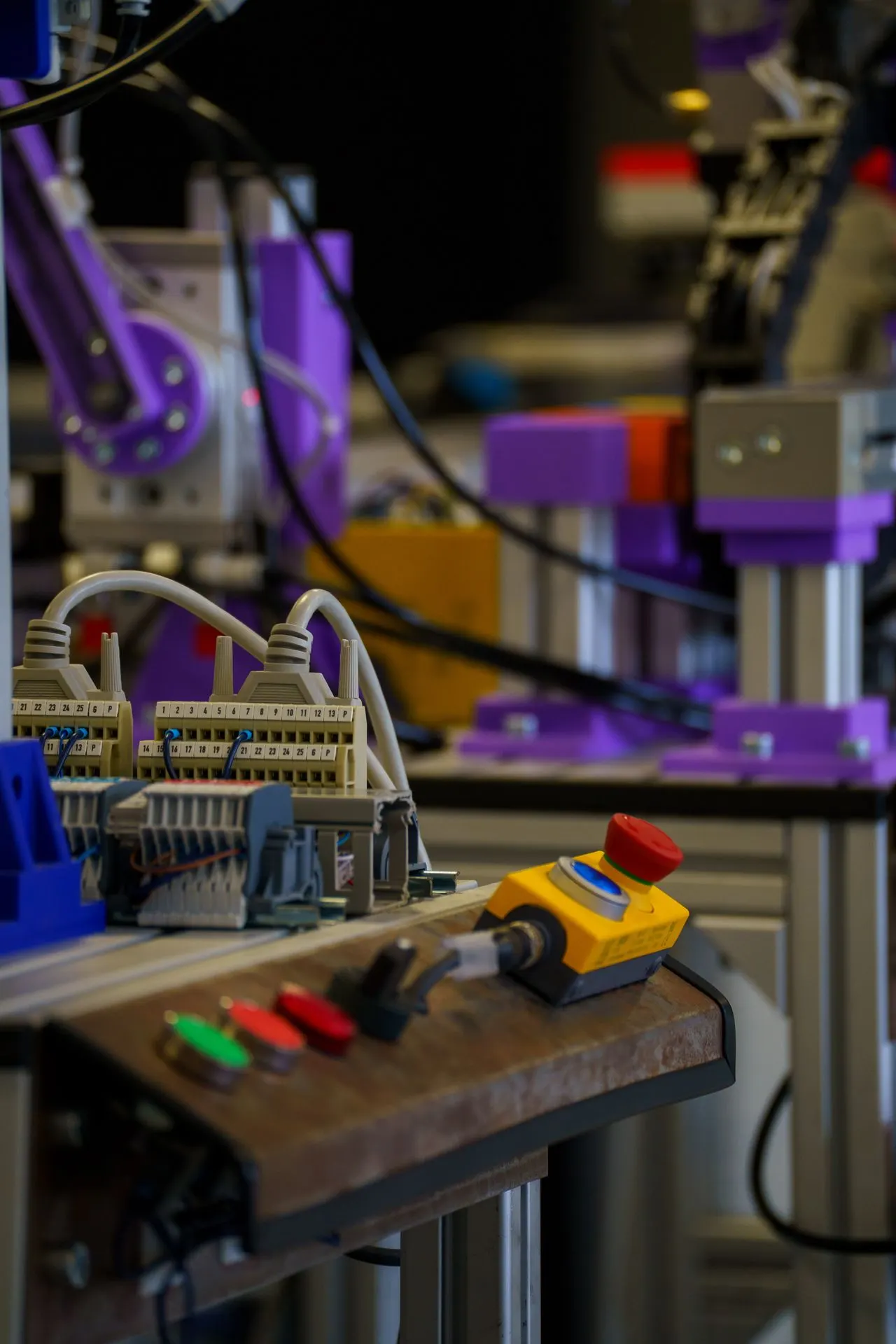
RPA Assessment and Process Selection
We score candidate processes on volume, rule stability, exception rates, and expected savings, building a prioritized pipeline that avoids automating work that should be fixed first.

FWC delivers RPA implementation and RPA Center of Excellence programs that turn repetitive work into reliable, governed digital labor.
Many organizations start RPA with a few quick wins, then stall. Bots break when screens change, nobody owns maintenance, and the promised savings never scale beyond a handful of processes.
FWC delivers robotic process automation services built for scale. We select the right processes, build resilient attended, unattended, and hybrid bots, and set up the governance, monitoring, and Center of Excellence your program needs to grow. Where tasks involve documents or judgment, we add AI to create intelligent automation.
Bots fail when applications or screens change.
Programs stop after a few automations without a clear pipeline.
Bot maintenance falls between business and IT teams.
Rules-based bots cannot handle documents, emails, or judgment.
We score candidate processes on volume, rule stability, exception rates, and expected savings, building a prioritized pipeline that avoids automating work that should be fixed first.

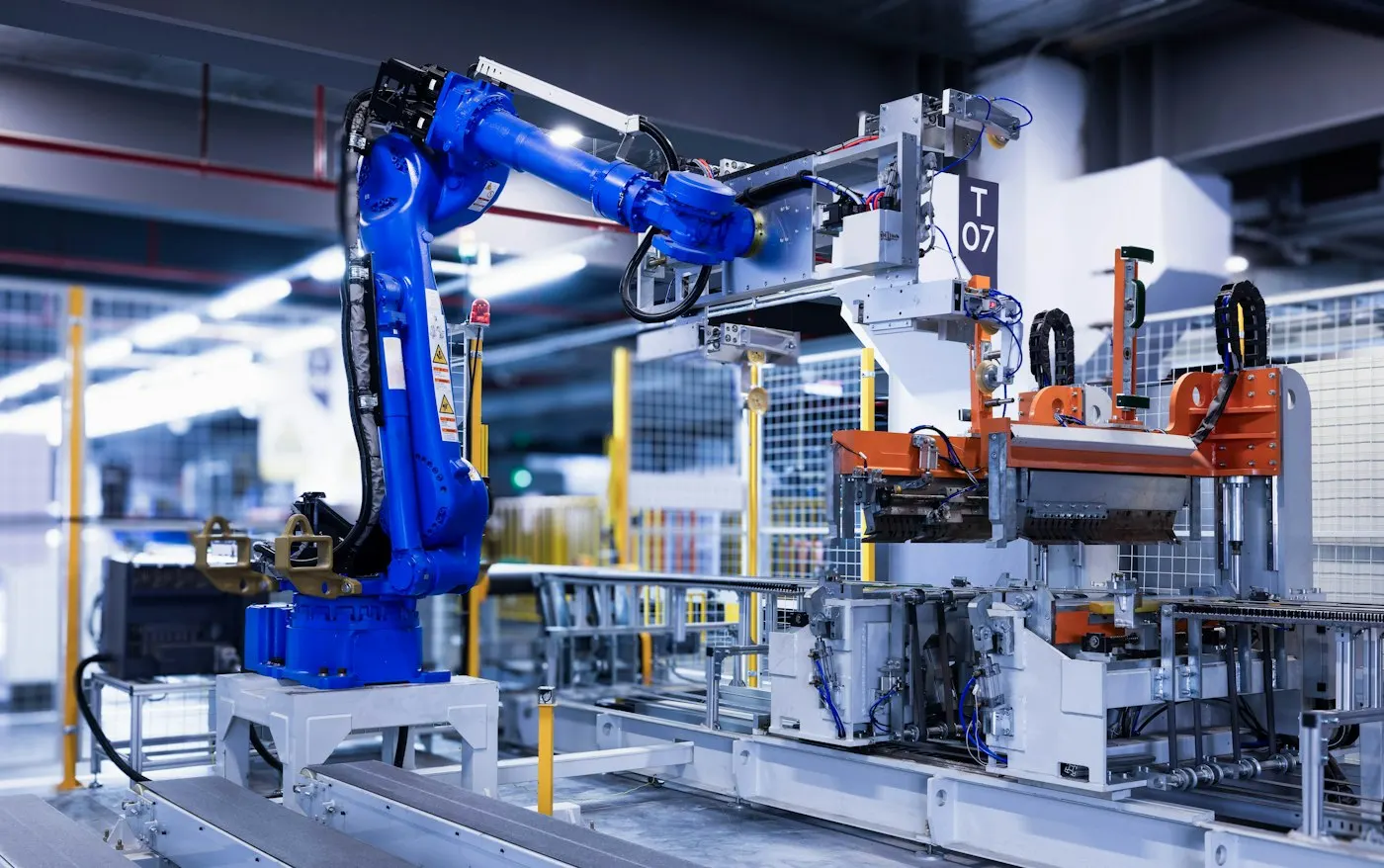
FWC develops attended bots, unattended bots, and hybrid bots on UiPath, Automation Anywhere, and Microsoft Power Automate, with resilient design, exception handling, and full test coverage.
Our consultants establish standards, governance, reusable components, and a delivery operating model, giving your RPA Center of Excellence a clear roadmap for scaling across departments.

We extend bots with document AI, machine learning, and AI agents, so automation handles unstructured inputs and routine decisions that rules alone cannot process.
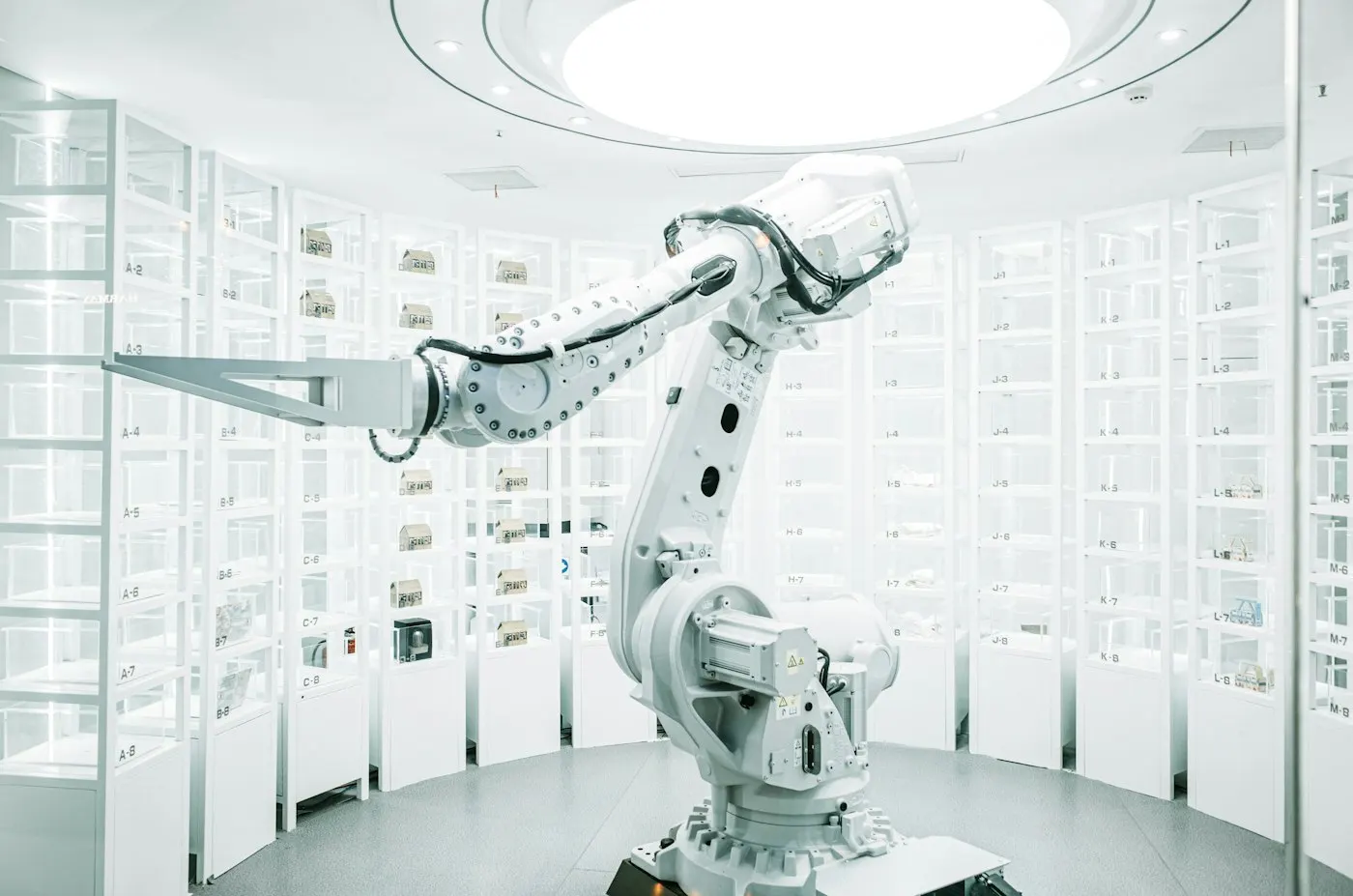
FWC uses process and task mining tools to capture how employees actually work, revealing repetitive steps and variations that identify the next best automation opportunities.

We provide 24/7 bot operations with scheduling, queue management, exception handling, and proactive maintenance, keeping digital workers productive as applications change and volumes grow.
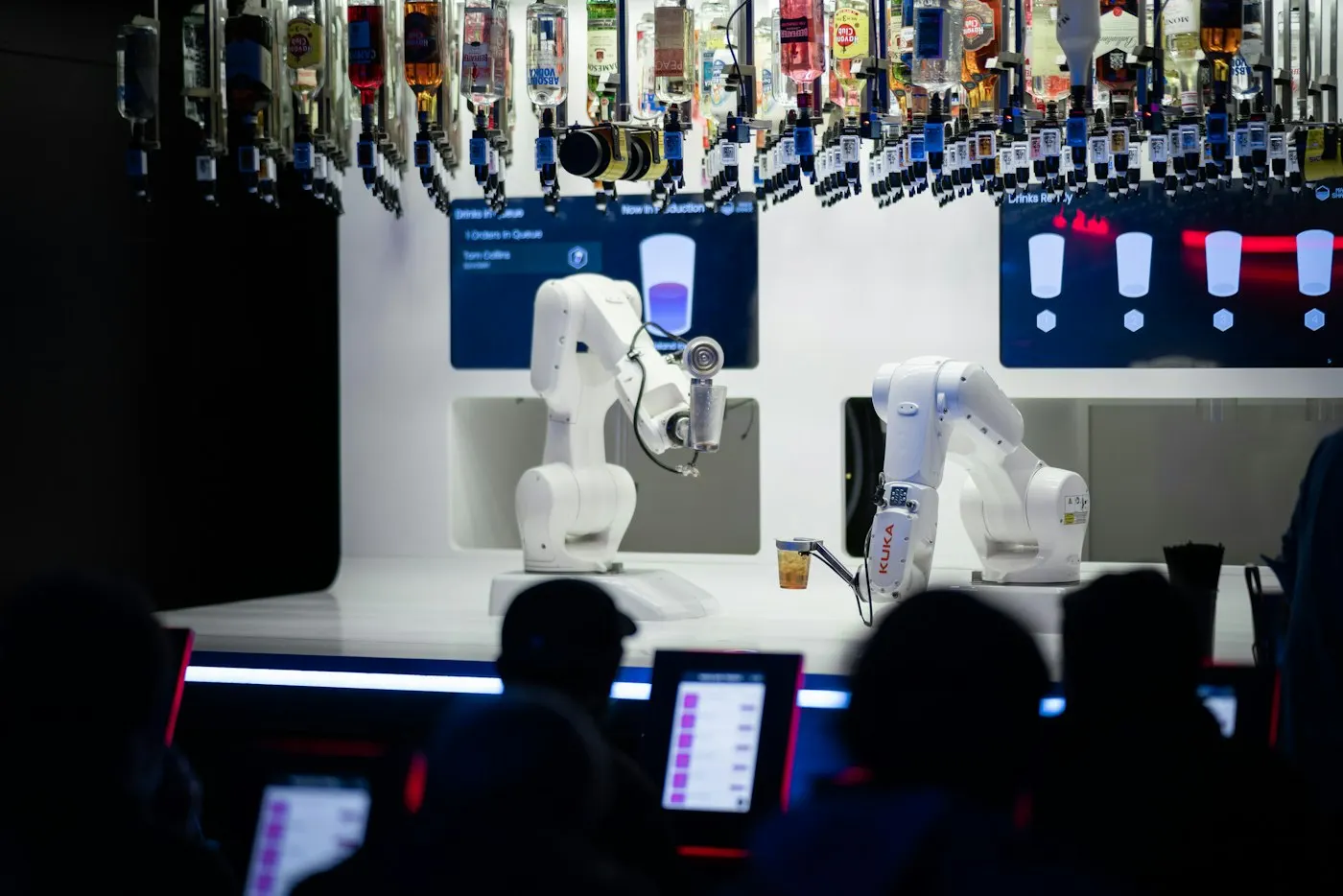
Our team re-platforms or refactors existing bots to reduce failures, consolidate licenses, and lower running cost, without interrupting the processes they support every day.
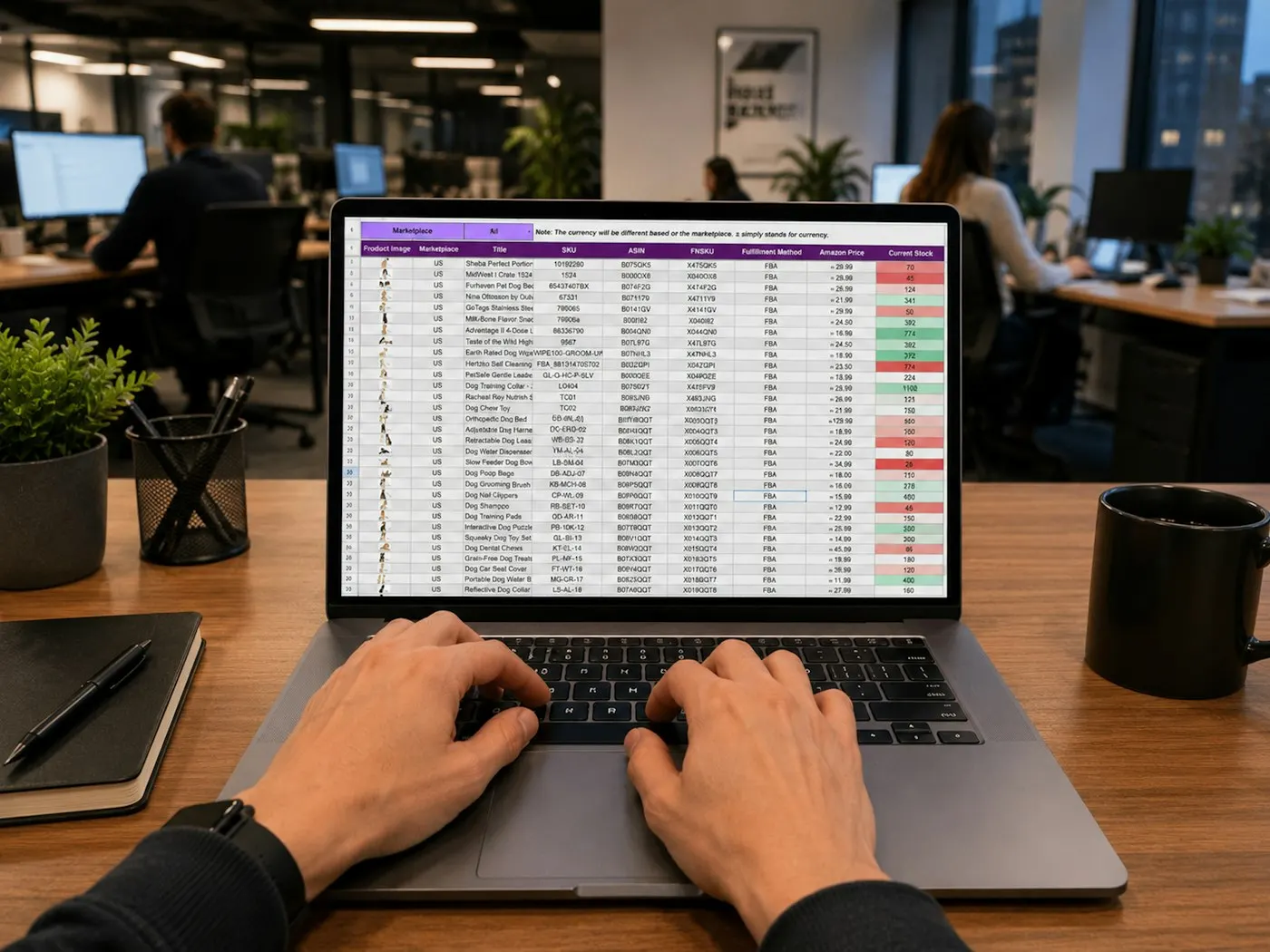
We train business users to build simple automations safely, with templates, guardrails, and review processes that keep quality and security under IT control as adoption grows.
Identify and prioritize automation candidates.
Develop and test bots with resilient design.
Release with monitoring and support runbooks.
Grow through a governed Center of Excellence.
Repetitive tasks move from people to reliable bots.
Bots process data the same way every time.
Unattended bots work overnight and on weekends.
Governance lets automation expand across departments safely.

Bots use resilient selectors and exception handling to reduce breakage.
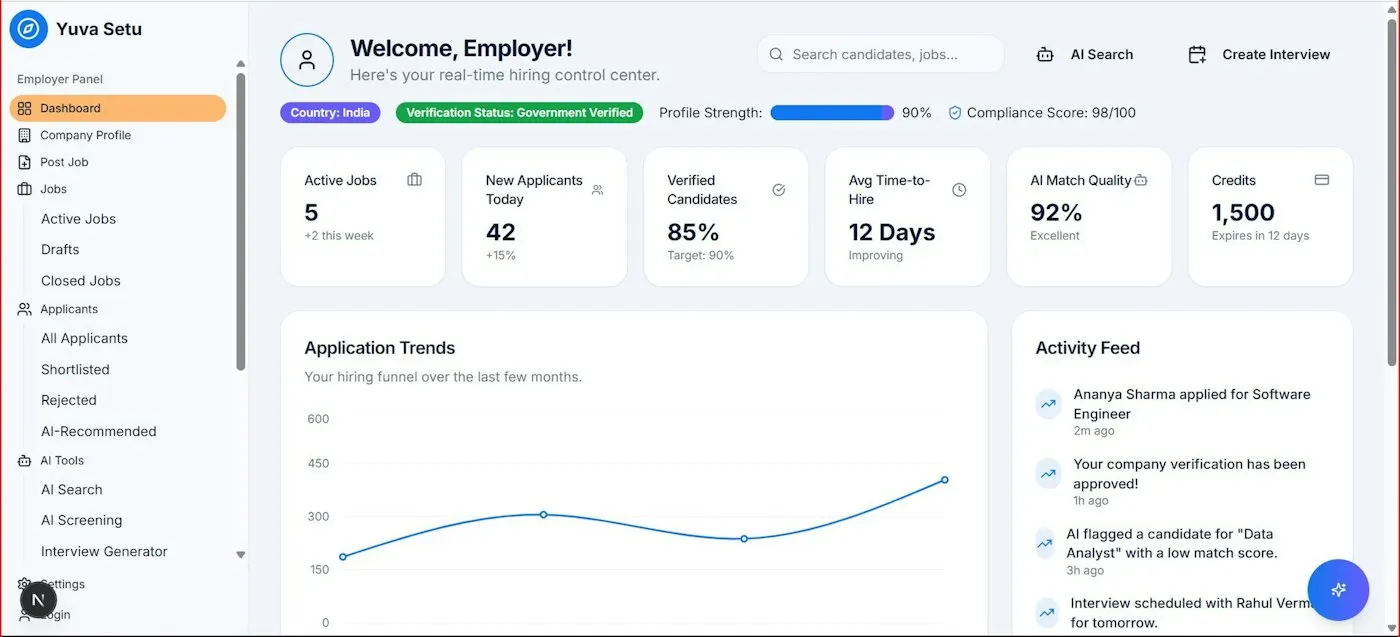
Credential security, audit logs, and change control are standard.

AI extends automation to unstructured documents and decisions.

FWC recommends tools based on fit and total cost.
Many partners measure success by the number of bots delivered. FWC measures hours returned, error rates reduced, and bot uptime. We build the operating model around RPA, including process selection, a Center of Excellence, credential security, and 24/7 monitoring, and extend it with intelligent automation where documents or decisions are involved. The result is digital labor that keeps working as the business changes.
Process mining, workflow orchestration, low-code automation, intelligent document processing, and system integration that remove manual hand-offs across the enterprise.
Explore Workflow Automation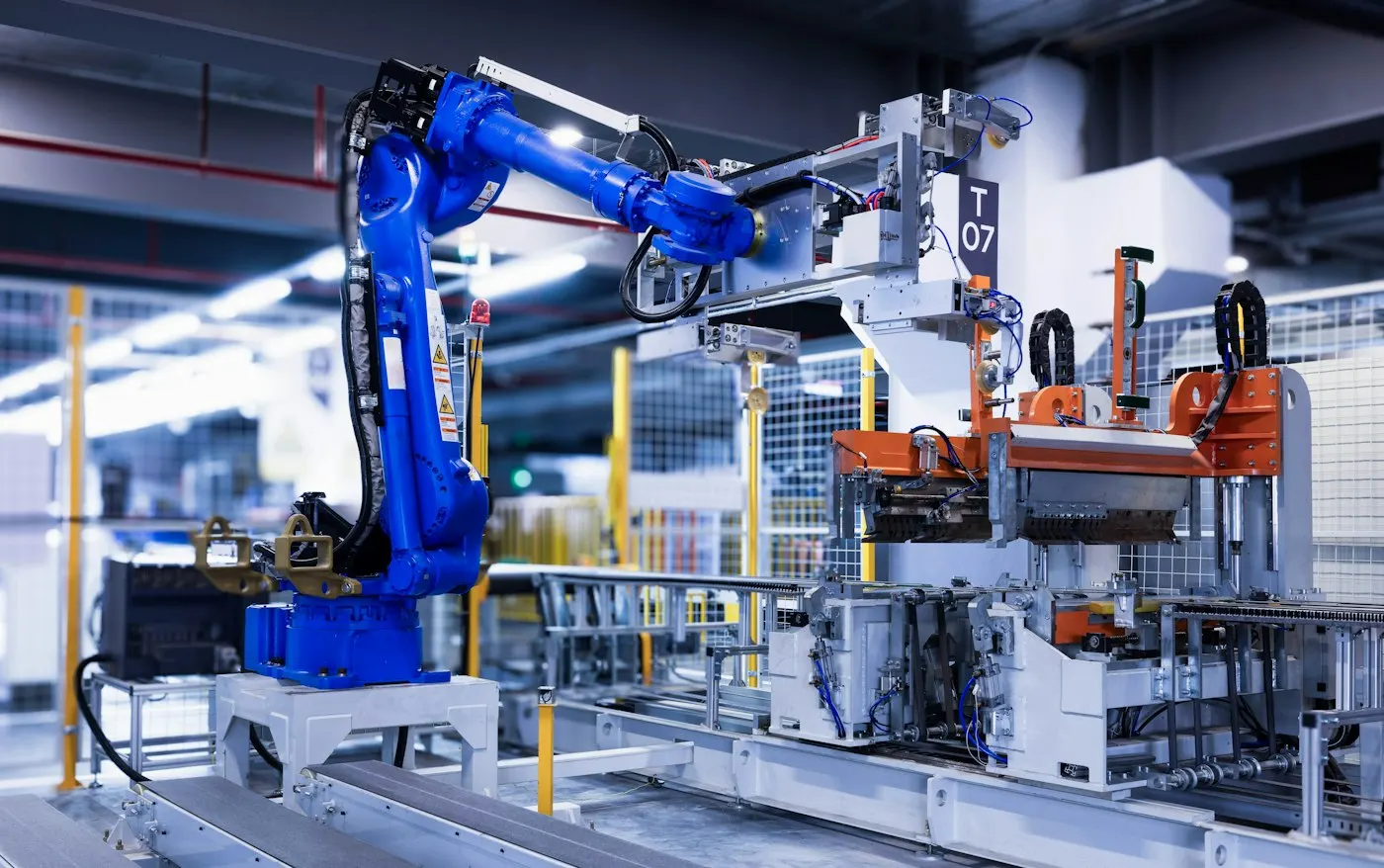
Intelligent document processing, ERP and SAP automation, AI-powered decisioning, and agent-assisted workflows that handle exceptions as well as rules.
Explore AI Automation
24/7 infrastructure monitoring, service desk, managed cloud and application operations, AIOps, and disaster recovery under clear service levels.
Explore Managed IT Services
SAP S/4HANA migration, implementation across finance and supply chain, SuccessFactors, integration and extensions on SAP BTP, and ongoing application support.
Explore SAP ServicesConnecting consulting to growth & impact, bringing together news, insights, articles, and decisions that shape the future.

Do You Need to Modernise Legacy Systems Before Adding AI? No, you do not need to replace every legacy system before introducing AI. What matters is whether the current environment can provide the data, integration, security and performance

AI costs often rise after the pilot because production introduces more than model usage. Real workloads add users, larger context, data retrieval, APIs, retries, monitoring, storage and infrastructure. The useful question is therefore not:

Identity Security in BFSI: Managing Human, Machine and AI-Agent Access The traditional identity security question was relatively simple: Which employee should have access to which system? That question is no longer enough. A modern financia
They include process assessment, bot development and deployment, RPA Center of Excellence setup, intelligent automation with AI, bot monitoring and support, and migration of existing bots.
Attended bots work alongside employees and are triggered by them. Unattended bots run independently on schedules or events, usually on servers.
FWC supports leading platforms, including UiPath, Automation Anywhere, and Microsoft Power Automate, and recommends tools based on your needs.
An RPA Center of Excellence sets standards, governance, and reuse practices, which helps automation scale reliably across departments.
Yes. FWC reviews existing bots, improves design and exception handling, and adds monitoring to reduce failures.
A first production bot often takes a few weeks, depending on process complexity. FWC then scales through a prioritized pipeline managed by the Center of Excellence.
Tell us the outcome you need. An FWC architect will map the fastest governed path to get there.