
AI
Enterprise AI Roles and Responsibilities: Who Owns AI After Deployment?
Learn how to define enterprise AI roles and responsibilities after deployment, including ownership across business, technology, data, risk, security and operations.

We connect telemedicine, predictive analytics, and remote monitoring into one compliant care platform, built for the clinicians who rely on it and the compliance officers who sign off on it.
A patient engagement tool that clinicians don't trust doesn't get used, no matter how good the technology is underneath it. We build healthcare technology around clinical workflow first, so adoption doesn't become the project that quietly failed six months after launch.
We integrate telemedicine, EHR systems, and connected devices into one workflow, so a clinician isn't logging into four separate tools to see one patient's picture.
Predictive analytics models flag patients at risk of deterioration or readmission, with every flag reviewed by clinical staff before it changes a care plan.
Every system handling patient data is built to HIPAA requirements from the architecture up, not patched for compliance after a security review finds the gap.
We stay involved as adoption scales across departments, tuning the platform against how clinicians actually use it, not how the initial rollout plan assumed they would.


A virtual care platform clinicians and patients both trust turns a rural access gap into a scheduled appointment instead of a three-hour drive.
Strategic analysis, technical playbooks, and engineering updates shaping the future of healthtech.
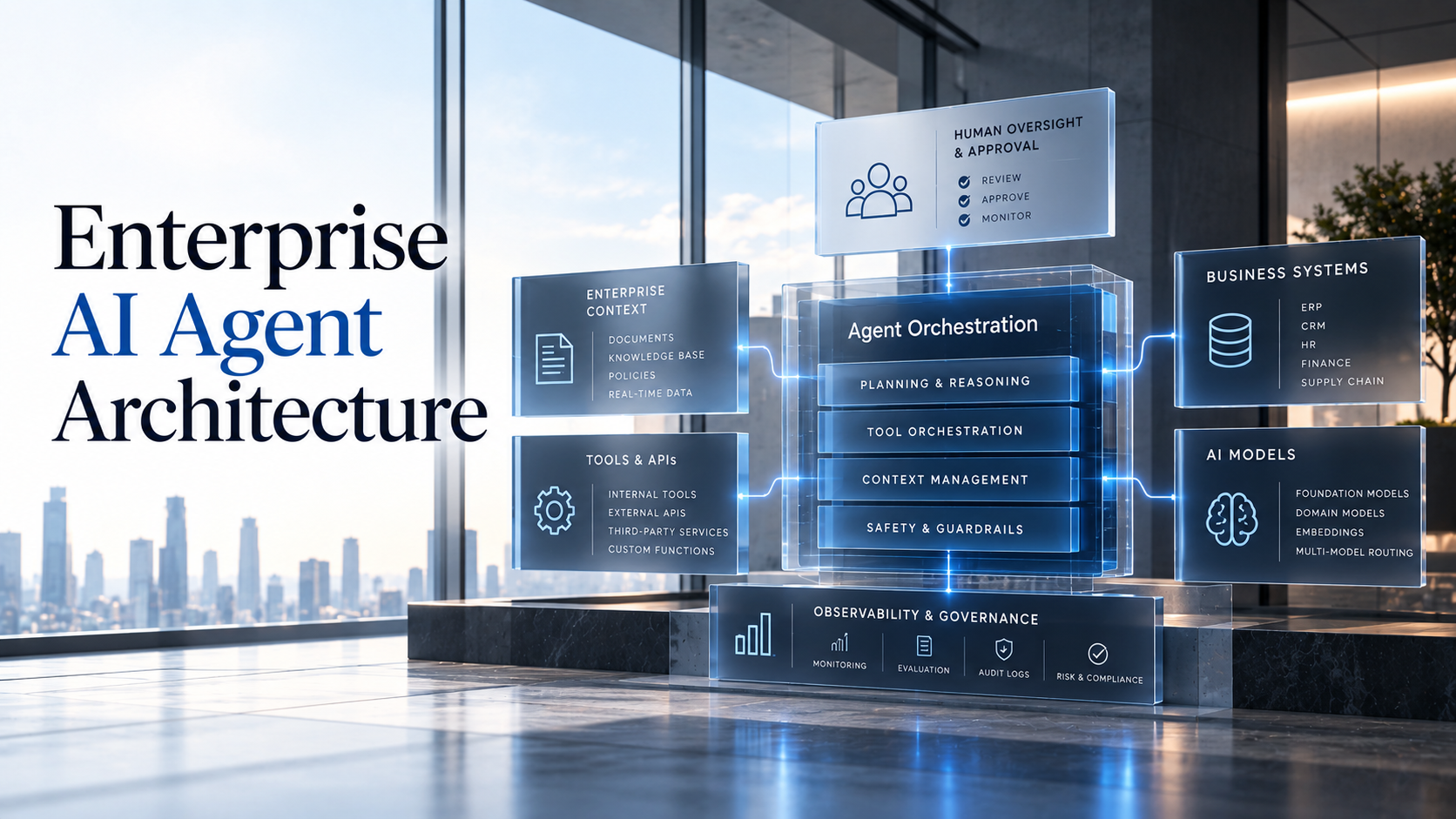
Moving AI agents from pilot to production requires more than a capable model. Explore seven architecture requirements for reliable, secure and scalable enterprise AI agents.
Learn how to define enterprise AI roles and responsibilities after deployment, including ownership across business, technology, data, risk, security and operations.

Explore where AI can add value during SAP S/4HANA modernisation, where it should wait, and how to prioritise AI without adding unnecessary complexity.
Everything you need to know about FWC's healthtech technology, automation, and IT consulting solutions
We build around clinical workflow first, not around the technology, and our team stays involved through rollout to tune the platform against how your clinicians actually work, not how a rollout plan assumed they would.
Every predictive-analytics flag we generate goes to clinical staff for review before it changes a care plan. The model surfaces the pattern; the clinician makes the call.
Every system we build is architected to HIPAA requirements from the start, not patched afterward, so the compliance case exists before your compliance officer has to ask for it.
We connect to your existing EHR rather than proposing a replacement, which is what usually turns a integration project into a multi-year migration. Faster because we're not asking you to rebuild what already works.
Alerting thresholds are configured with your clinicians, not set to a generic default, so an alert means something by the time it reaches a person, instead of training your staff to ignore the system.
Let’s turn business challenges into opportunities.