


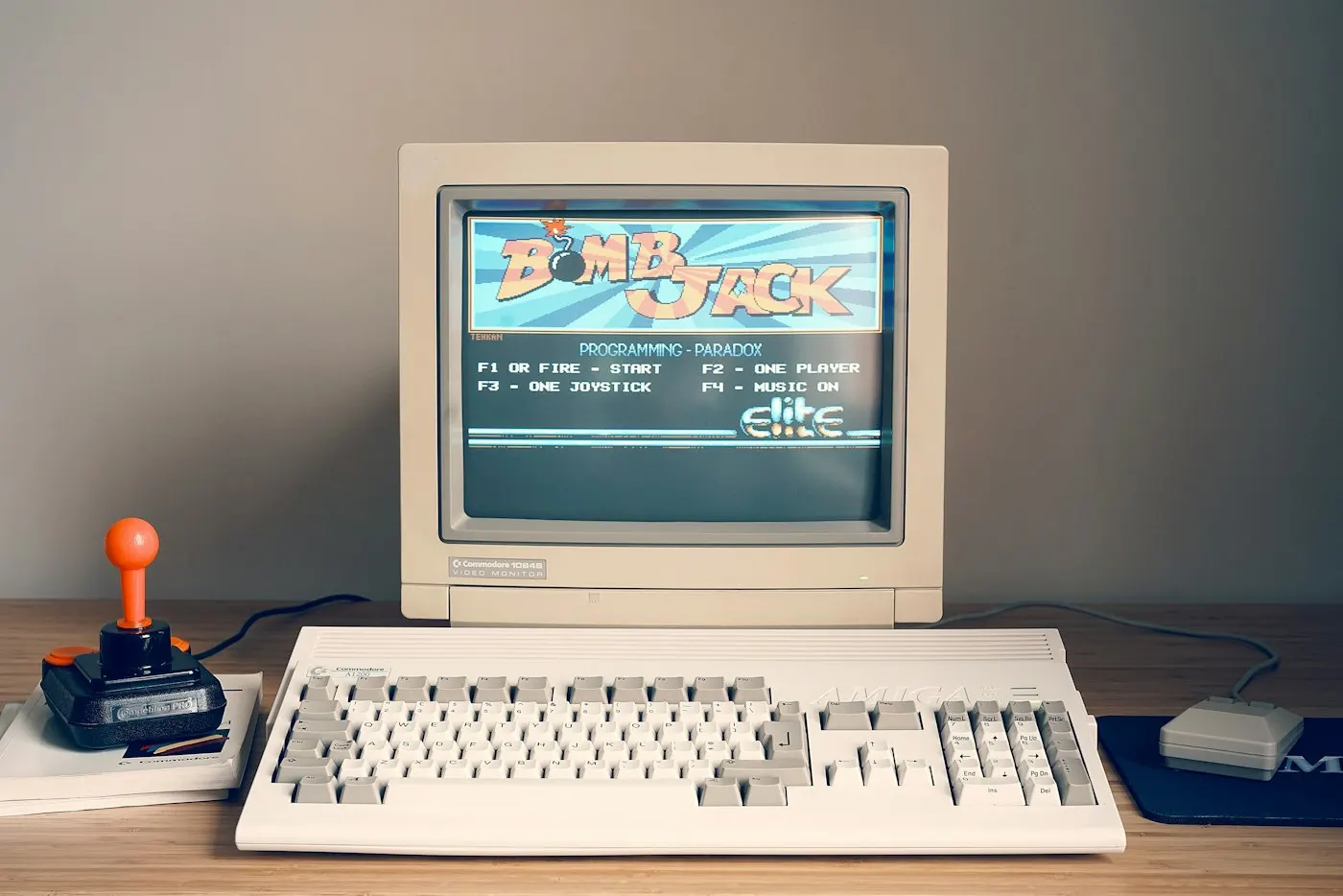
Modernization Assessment and Roadmap
We analyze your application portfolio, technical debt, and business criticality, then recommend the right treatment for each system and sequence the work by value and risk.

FWC AI modernization services combine AI-assisted code migration with re-architecture to modernize core systems faster and embed AI where it creates value.
Many enterprise AI ambitions stall on legacy systems. Data is locked in monoliths and mainframes, integrations are fragile, and documentation is missing. Rewriting everything is too risky, but leaving systems untouched blocks every new initiative.
FWC AI modernization services use AI in two ways. First, AI accelerates modernization itself by analyzing old code, generating documentation, and assisting with translation and testing. Second, we redesign applications around APIs, cloud-native services, and clean data, so AI capabilities can be embedded directly into everyday workflows. Each phase is validated against the original system's behavior, so critical operations keep running while the architecture changes underneath.
The people who wrote the original code have moved on.
Technical debt consumes budgets meant for innovation.
Big-bang replacements threaten critical operations.
Legacy architecture blocks data access and AI integration.
We analyze your application portfolio, technical debt, and business criticality, then recommend the right treatment for each system and sequence the work by value and risk.

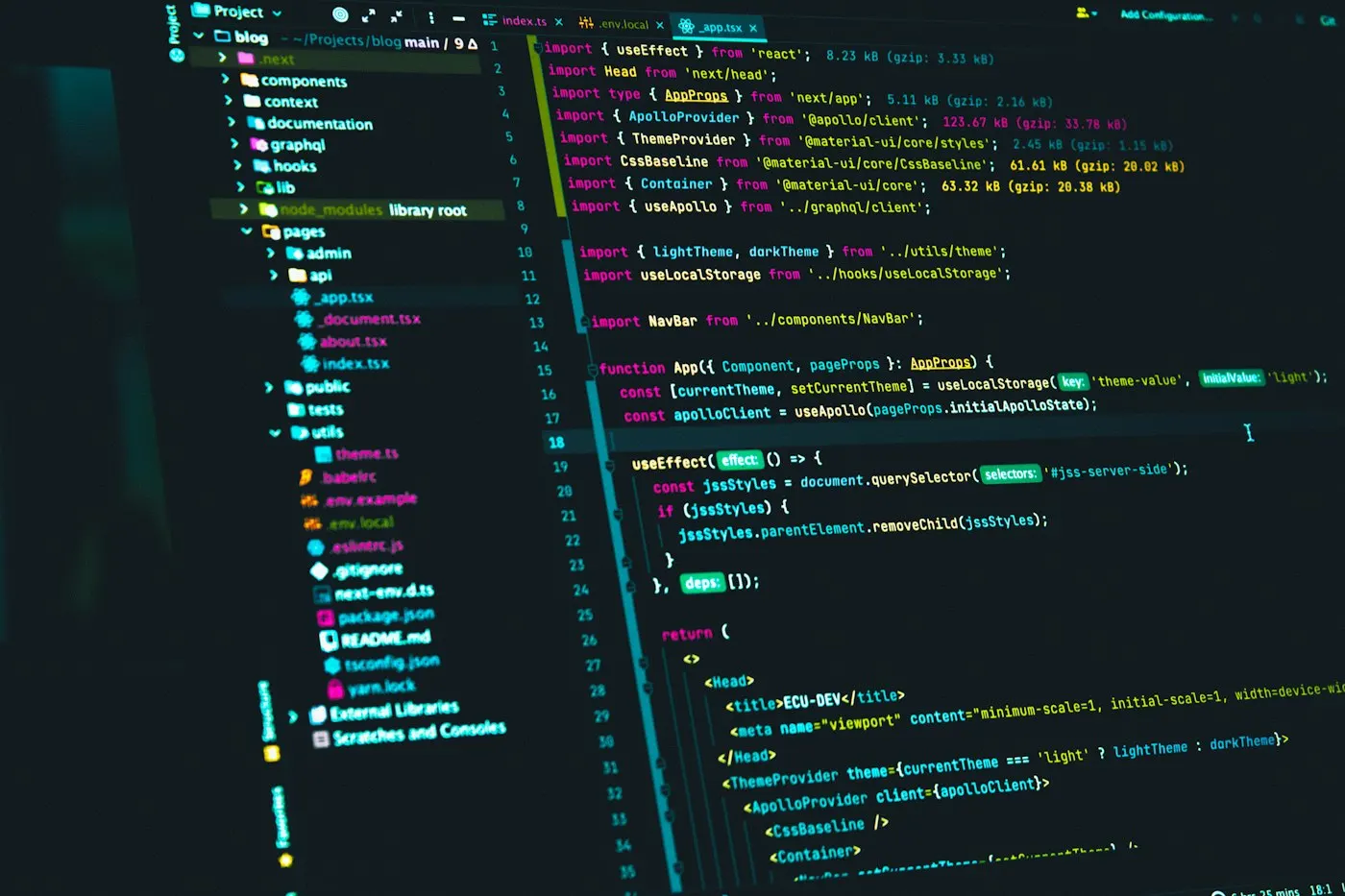
FWC uses AI-assisted tools to map logic, dependencies, and business rules in undocumented code, producing documentation that engineers and business owners can verify before migration begins.

Our engineers accelerate translation from legacy languages to modern stacks with AI, reviewing every change and validating behavior with automated tests against the original system.
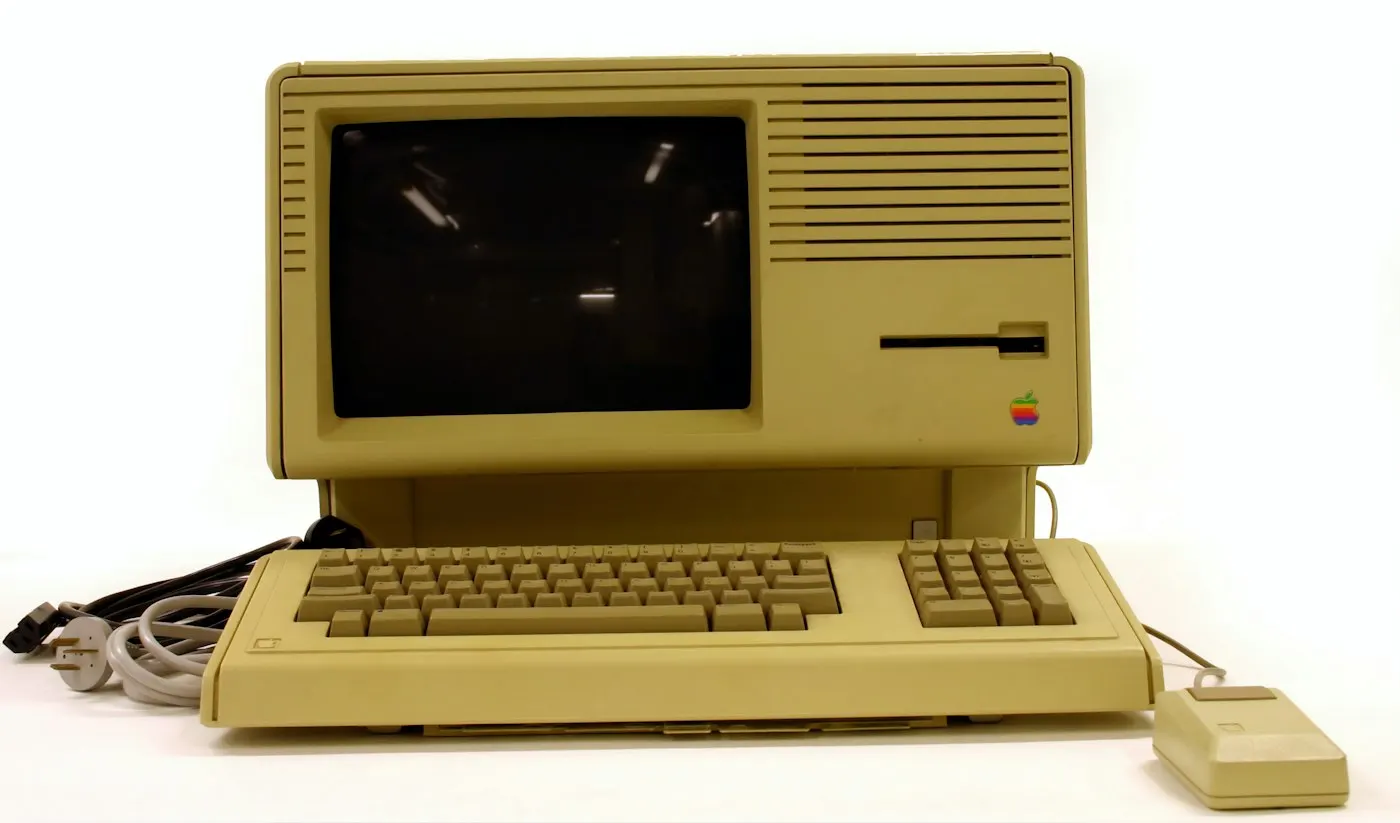
We move workloads off or around mainframes through rehosting, refactoring, or API enablement, in controlled phases that keep critical batch and online processing running.

FWC breaks monoliths into microservices on cloud-native platforms, improving scalability, release speed, and resilience while retiring outdated infrastructure and reducing the operating cost of every release.
We migrate legacy databases to modern platforms, cleanse and reconcile data, and validate results, so analytics and AI can use trusted information from day one.

Our teams expose legacy functions through secure, documented APIs, letting digital channels and AI services use core systems without risky changes to stable, proven code.
We add copilots, predictions, and automation to modernized applications on an AI-ready architecture, turning modernization into new business capability for employees and customers alike.
Core and mainframe applications.
Legacy MES and planning systems.
Aging custom applications.
Older products moving to SaaS.
AI-assisted analysis and migration compress timelines.
Retiring legacy platforms reduces licensing and maintenance spend.
Validated behavior protects critical operations.
Modern architecture enables new AI capabilities.
Modern stacks are easier to staff than legacy languages.
Systems stay live while modernization progresses.
Every AI-generated change is reviewed and tested.

Critical logic is documented and validated.

Architecture is designed for AI from the start.
Manual modernization relies on slow discovery and line-by-line rewriting. FWC uses AI to analyze, document, and translate code at speed, while experienced engineers review every change and validate behavior against the original system. The target is an AI-ready architecture with APIs, cloud-native services, and clean data, so modernization unlocks new capability instead of simply moving old problems to new platforms.

Cloud strategy, migration, application modernization on Kubernetes, DevOps pipelines, platform engineering, and FinOps across AWS, Microsoft Azure, and Google Cloud.
Explore Cloud & Infrastructure
RAG knowledge assistants, role-specific AI copilots, LLM fine-tuning, and GenAI platform engineering grounded in your enterprise data and protected by guardrails.
Explore Generative AI
Core banking modernization, payments and open banking APIs, digital channels, and explainable AI for risk and compliance, delivered in safe, phased steps.
Explore Banking
AI strategy and readiness assessments, digital transformation roadmaps, enterprise architecture, and cloud strategy from consultants who stay through delivery.
Explore Technology ConsultingConnecting consulting to growth & impact, bringing together news, insights, articles, and decisions that shape the future.

Do You Need to Modernise Legacy Systems Before Adding AI? No, you do not need to replace every legacy system before introducing AI. What matters is whether the current environment can provide the data, integration, security and performance

AI costs often rise after the pilot because production introduces more than model usage. Real workloads add users, larger context, data retrieval, APIs, retries, monitoring, storage and infrastructure. The useful question is therefore not:

Identity Security in BFSI: Managing Human, Machine and AI-Agent Access The traditional identity security question was relatively simple: Which employee should have access to which system? That question is no longer enough. A modern financia
AI modernization services update legacy applications using AI-assisted tools and redesign them so AI capabilities can be added to everyday workflows.
AI tools analyze legacy code, propose translations into modern languages, and generate tests. FWC engineers review every change and validate behavior against the original system.
Yes. FWC often uses phased approaches such as API wrapping, refactoring, and incremental replacement to modernize while systems stay live.
Yes. FWC supports mainframe modernization through rehosting, refactoring, or API enablement, depending on business needs and risk.
AI-assisted analysis documents hidden logic and dependencies, and re-architecture removes outdated components, making systems easier to maintain and extend.
An AI-ready architecture exposes data and functions through secure APIs, uses cloud-native services, maintains clean governed data, and supports monitoring, so AI features can be added safely.
Tell us the outcome you need. An FWC architect will map the fastest governed path to get there.