


Demand Forecasting
We build demand forecasting models that predict sales by product, location, and period using history, seasonality, promotions, and external signals, feeding directly into planning systems.

FWC builds predictive analytics solutions and MLOps services that turn historical data into reliable forecasts, risk scores, and early warnings in production.
Every business decision is a prediction: how much to stock, which customer may leave, which transaction looks suspicious, or which asset will fail. Machine learning can make those predictions faster and more accurately, but only if models are trained on the right data and maintained in production.
FWC delivers machine learning development services from data preparation to deployment. We frame the business question, engineer features, train and validate models, and deploy them with MLOps pipelines that monitor drift and retrain on schedule. Explainable AI helps business and compliance teams understand every prediction.
Forecasts rely on spreadsheets and experience instead of data.
Fraud is caught after losses occur.
Models lose accuracy without anyone noticing.
Teams learn customers are leaving only after they cancel.
We build demand forecasting models that predict sales by product, location, and period using history, seasonality, promotions, and external signals, feeding directly into planning systems.

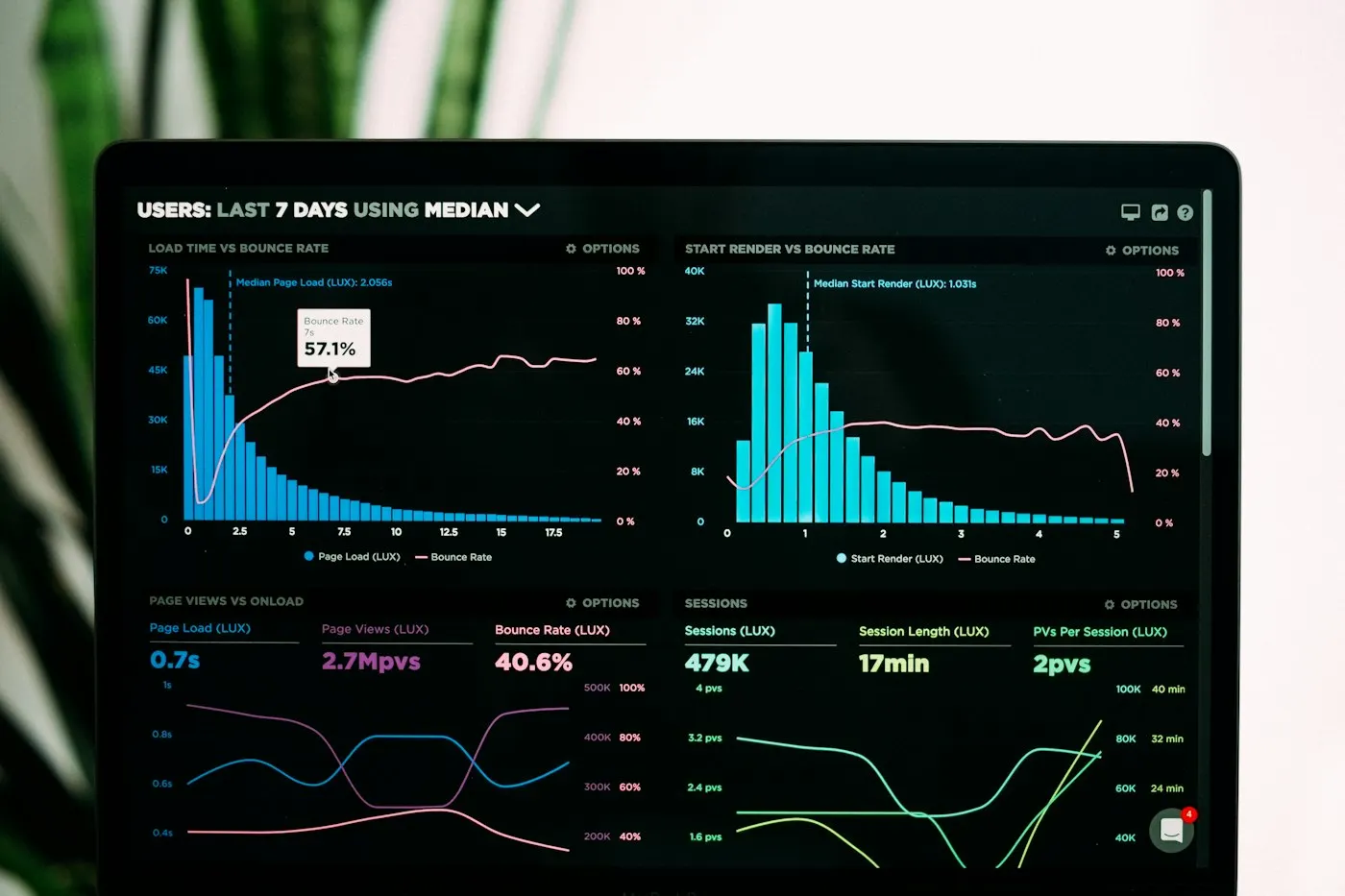
FWC deploys real-time fraud detection that scores transactions and claims in milliseconds, adapts to new attack patterns, and reduces false positives for legitimate customers.

Our data scientists develop credit, operational, and compliance risk scoring models with explainable AI outputs that analysts and regulators can understand and challenge with confidence.
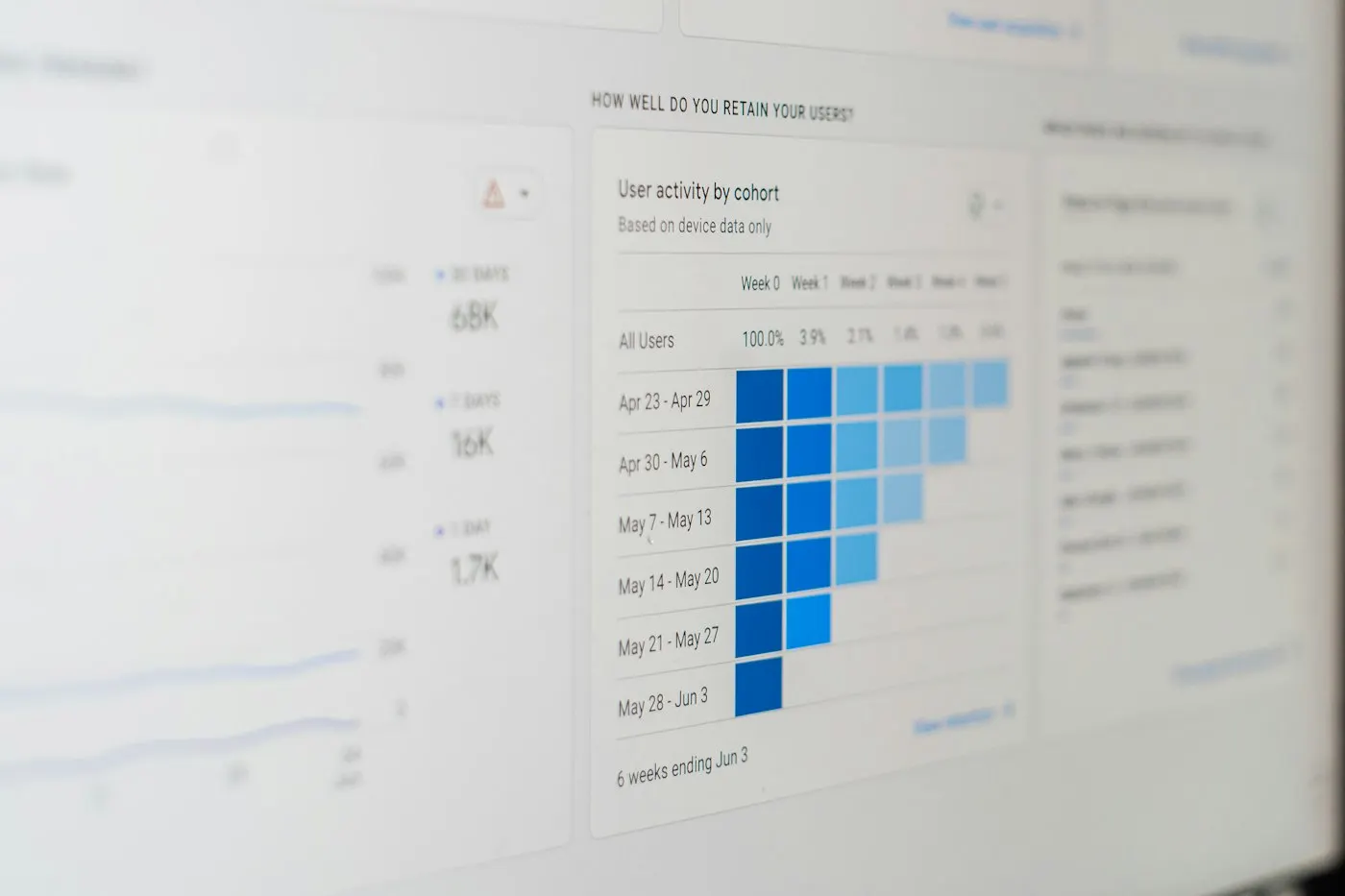
We identify customers likely to leave, reveal the drivers behind churn prediction scores, and recommend the retention actions most likely to work for each customer segment.

FWC builds next-best-offer, personalization, and price optimization models that raise conversion and margin, tested through controlled experiments before full rollout across digital and physical channels.
We analyze sensor and log data to forecast equipment failures and flag unusual patterns early, reducing unplanned downtime and quality incidents across plants, fleets, and networks.
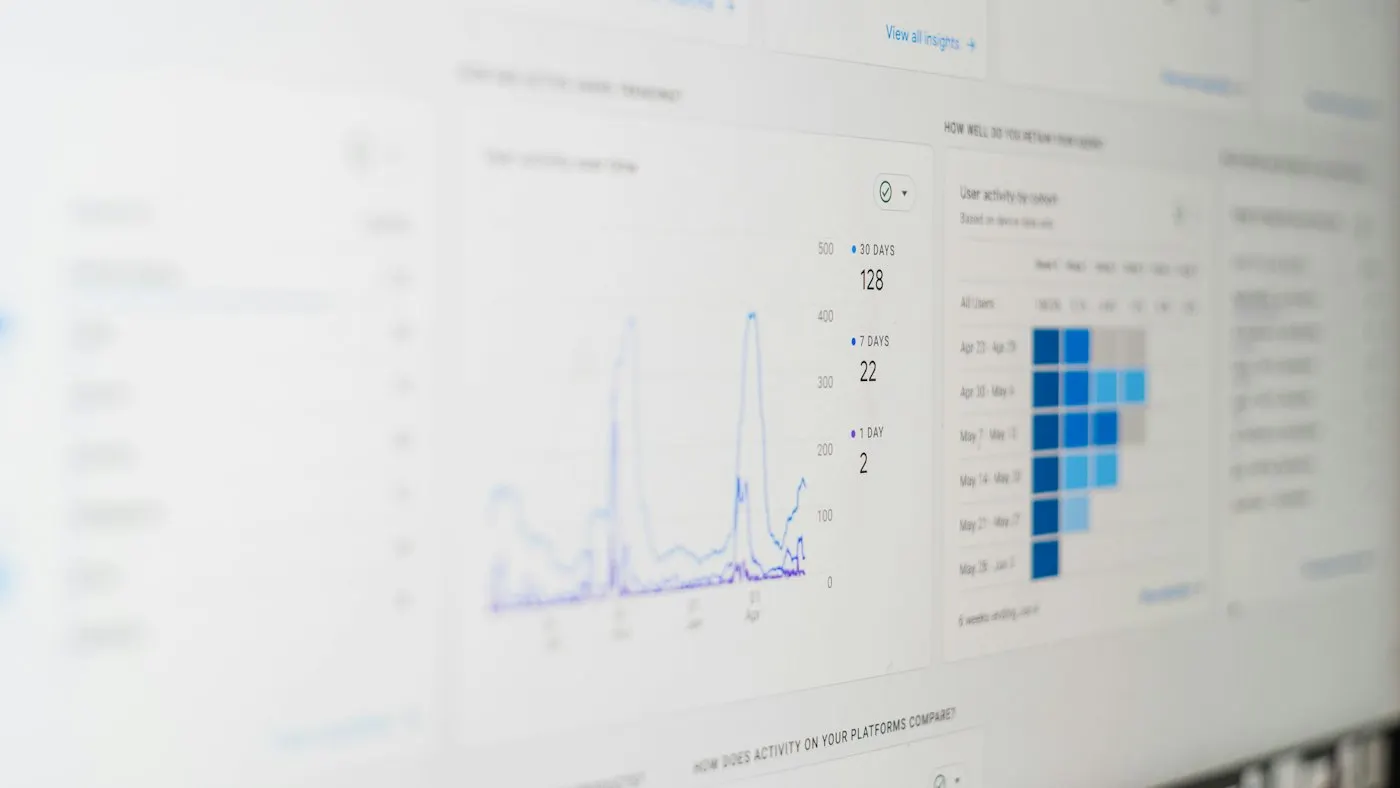
Our engineers build reliable data pipelines and feature stores that supply clean, consistent, well-governed inputs to every model in production, with lineage and quality checks built in.
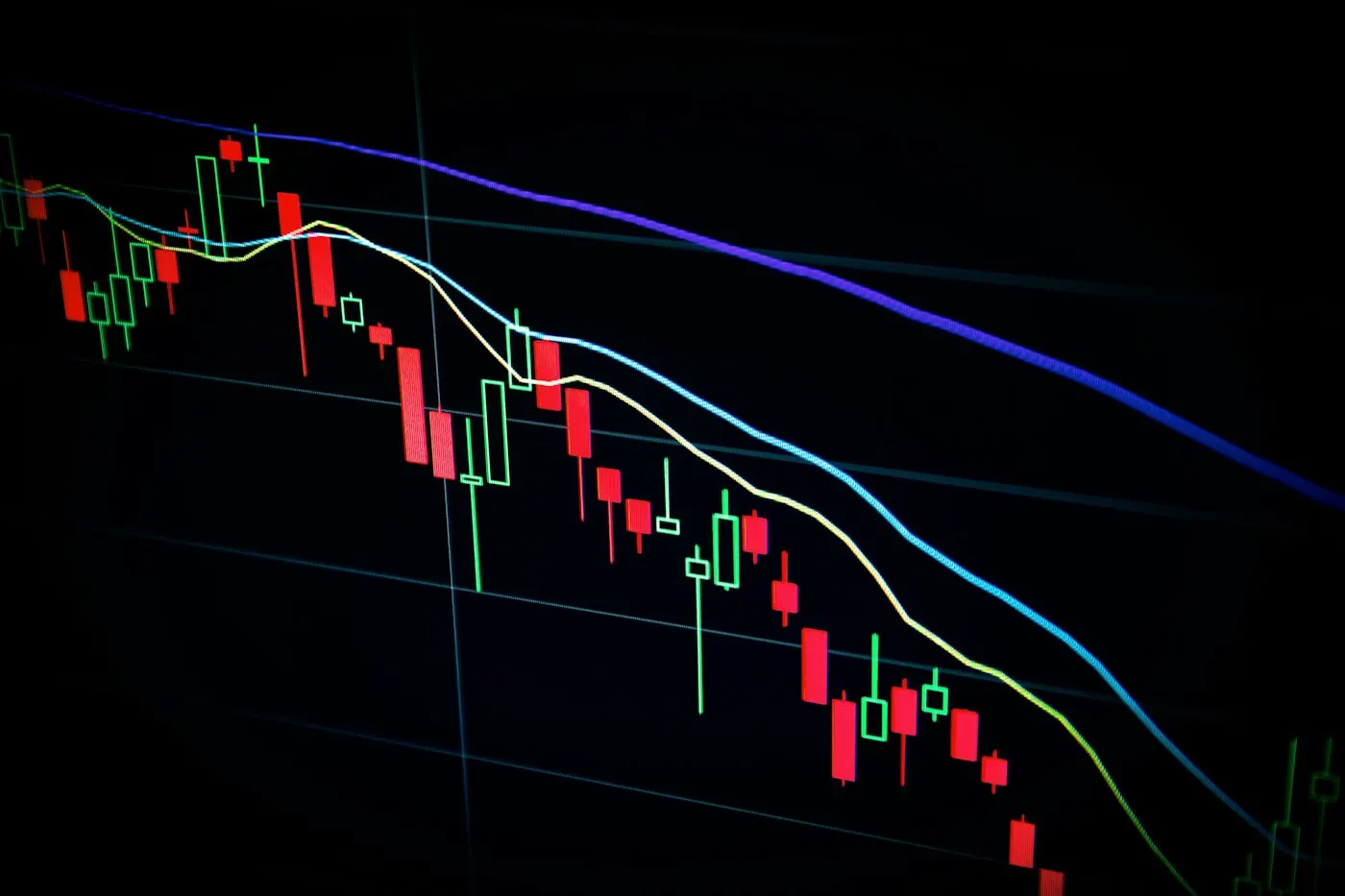
We automate training, validation, and deployment, and apply model monitoring for drift and performance, triggering retraining before accuracy affects decisions or customer experience in live systems.
Fraud and credit risk.
Demand and pricing.
Asset health and quality.
Customer churn.
Forecasts reduce stockouts, overstock, and idle capacity.
Earlier fraud and risk detection prevents costly incidents.
Proactive outreach keeps valuable customers.
Monitoring and retraining keep models reliable over time.

Models are tied to decisions and KPIs, not accuracy scores alone.

Stakeholders see why a model made each prediction.

Models are monitored and retrained, so accuracy holds over time.
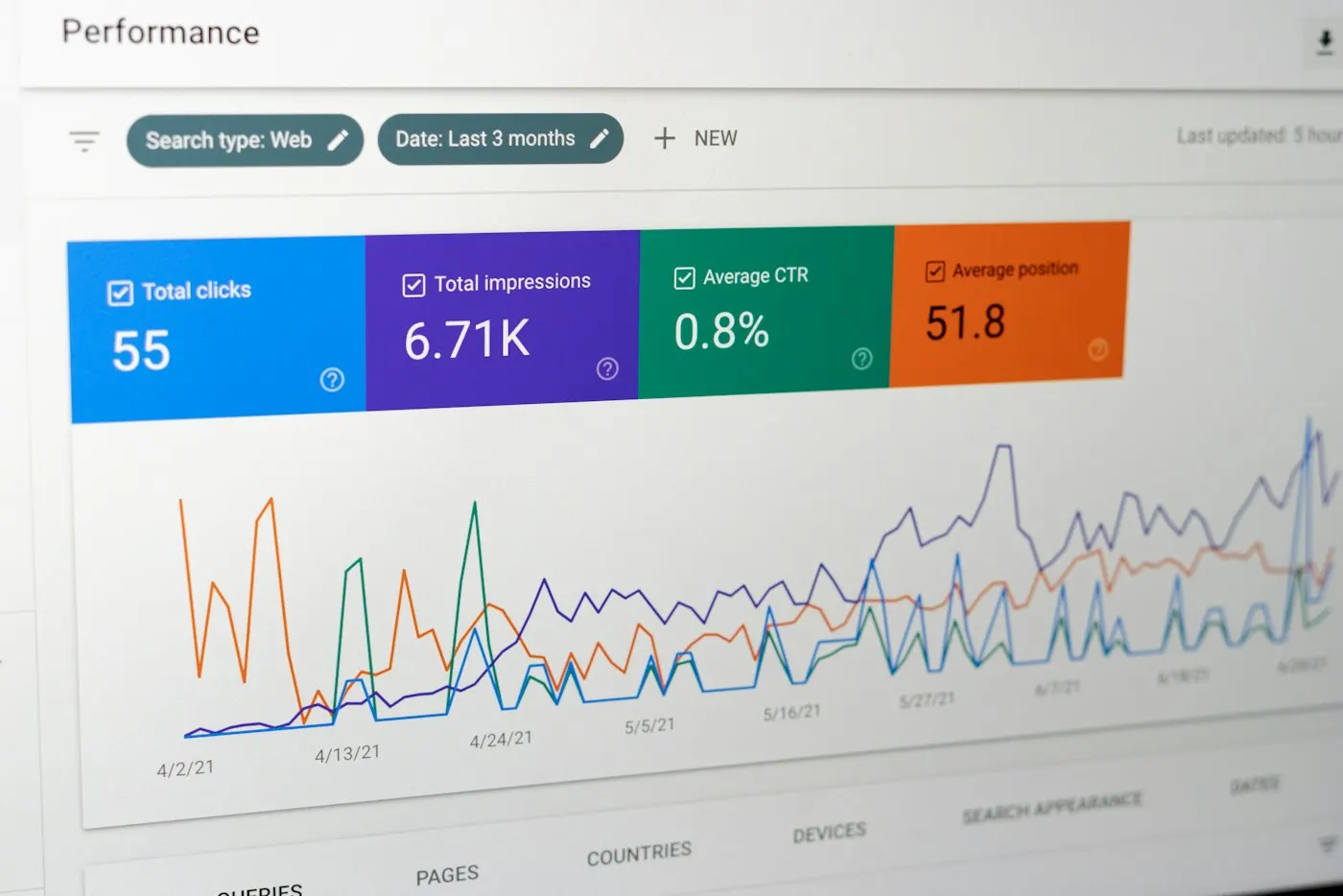
Strong pipelines feed reliable models.
Many data science projects end with a model in a notebook. FWC delivers models into production systems, connected to the decisions they support, with MLOps, model monitoring, and explainability in place. Churn prediction feeds retention campaigns, fraud scores feed payment flows, and forecasts feed planning tools, so predictive AI changes outcomes rather than producing another report.
RAG knowledge assistants, role-specific AI copilots, LLM fine-tuning, and GenAI platform engineering grounded in your enterprise data and protected by guardrails.
Explore Generative AI
Payment gateways, neo-banking and lending platforms, AI fraud detection, and KYC automation engineered with security and compliance as product features.
Explore Fintech
Omnichannel commerce platforms, AI demand forecasting, modern point of sale, and secure payments that keep inventory, pricing, and customer experience consistent across every channel.
Explore Retail
Industrial IoT, MES integration, digital twins, predictive maintenance, and AI quality inspection that connect the shop floor with ERP and supply chain systems.
Explore ManufacturingConnecting consulting to growth & impact, bringing together news, insights, articles, and decisions that shape the future.

Do You Need to Modernise Legacy Systems Before Adding AI? No, you do not need to replace every legacy system before introducing AI. What matters is whether the current environment can provide the data, integration, security and performance

AI costs often rise after the pilot because production introduces more than model usage. Real workloads add users, larger context, data retrieval, APIs, retries, monitoring, storage and infrastructure. The useful question is therefore not:

Identity Security in BFSI: Managing Human, Machine and AI-Agent Access The traditional identity security question was relatively simple: Which employee should have access to which system? That question is no longer enough. A modern financia
FWC provides demand forecasting, fraud detection, risk scoring, churn analytics, predictive maintenance, and MLOps and model monitoring.
It depends on the problem. FWC assesses data quality and volume early and can use techniques such as feature engineering or external data when history is limited.
MLOps services automate how models are trained, tested, deployed, monitored, and retrained, keeping them accurate and reliable in production.
FWC uses explainability techniques that show which factors drove each prediction, supporting business trust and regulatory review.
FWC monitoring detects data and performance drift and triggers retraining or review before accuracy affects decisions.
Churn prediction scores each customer's likelihood of leaving and highlights the drivers, so teams can target retention offers and service improvements before customers cancel.
Tell us the outcome you need. An FWC architect will map the fastest governed path to get there.