


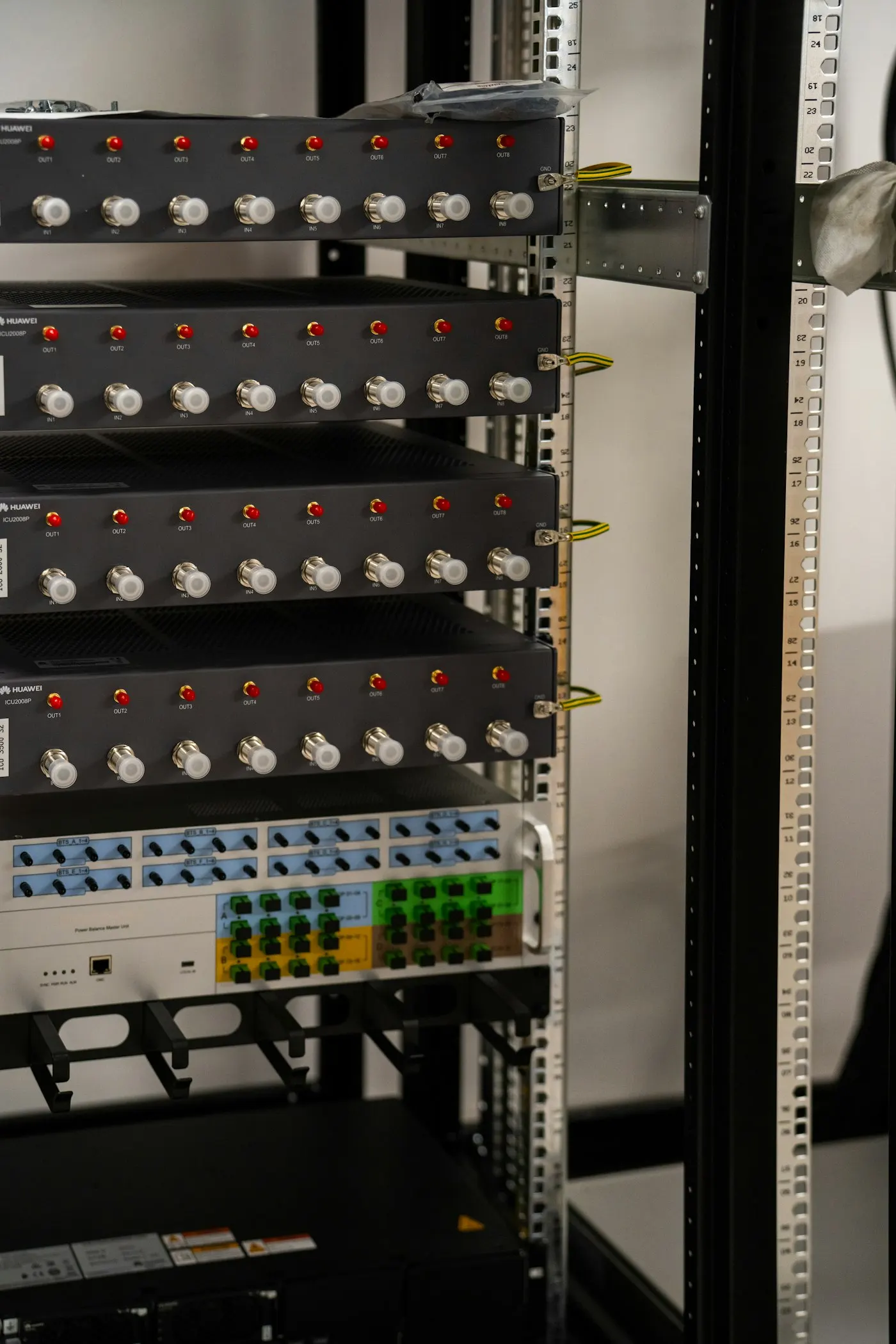
GPU Cluster Design and Deployment
We size GPU clusters to your training and inference demand, select compute, interconnect, and storage to match, then benchmark the full system before production workloads move in.

FWC delivers GPU cluster deployment and high-performance computing infrastructure, validated under real load, so training runs and inference never stall on capacity.
AI workloads punish infrastructure built for an earlier era of compute. A cluster that runs hot, an interconnect that cannot keep up, or a power system sized for general IT does not just slow a training run; it stops it. Budgets are lost, and so are months.
FWC designs AI data center infrastructure around your real workload profile, including power density, cooling, interconnect, and storage throughput. We deploy, validate under production-like load, secure the environment, and stay engaged through operations, so scaling capacity becomes a planned decision rather than an emergency.
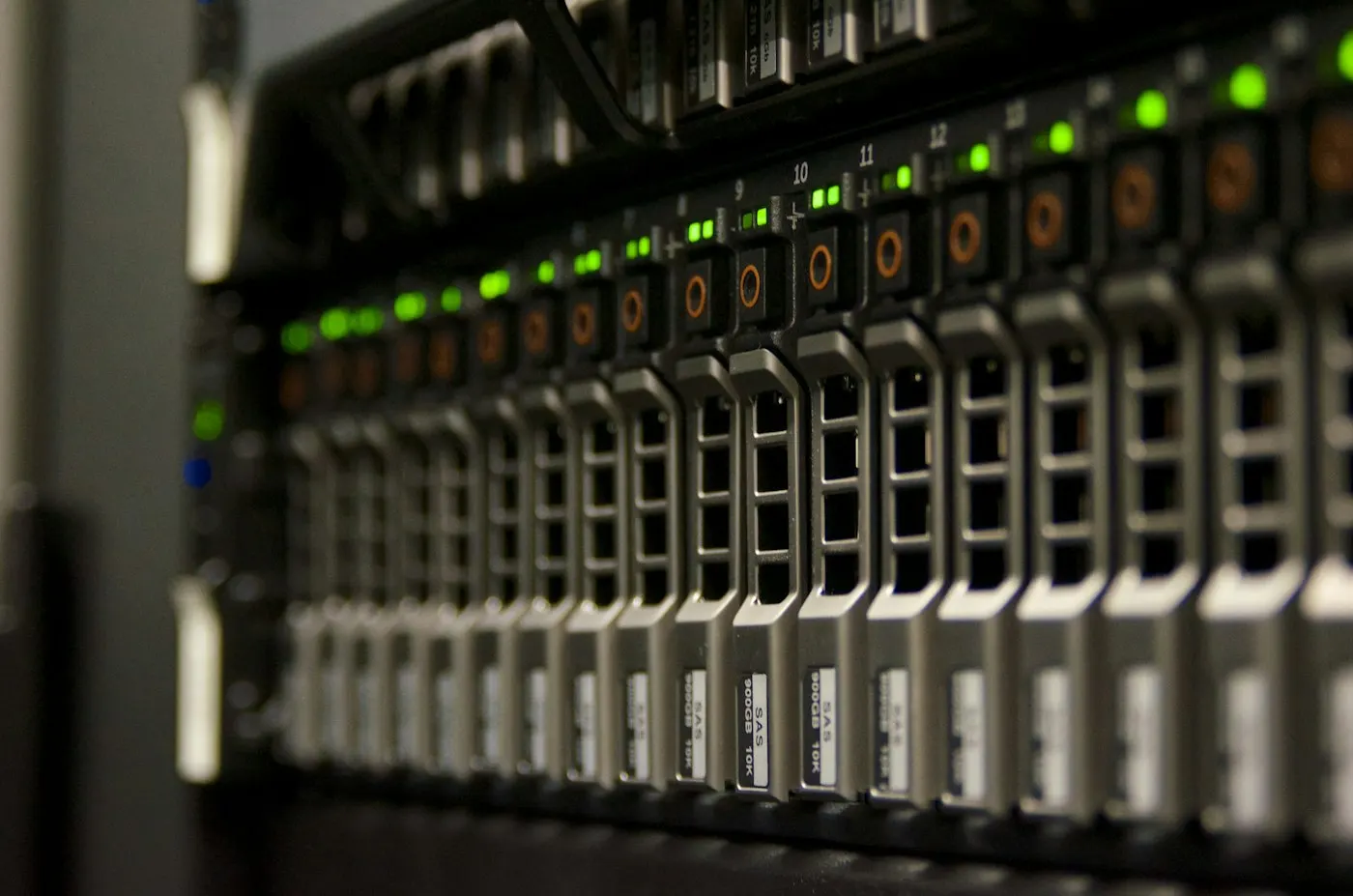
GPUs sit idle when networking or storage cannot keep up.
High-density compute exceeds what air-cooled facilities can handle.
Teams buy too much or too little capacity without utilization-based capacity planning.
Valuable training data and models require hardened data center security.
We size GPU clusters to your training and inference demand, select compute, interconnect, and storage to match, then benchmark the full system before production workloads move in.

FWC designs facilities for high-density compute, planning power distribution, rack layout, and thermal capacity around AI hardware profiles instead of traditional enterprise server assumptions.
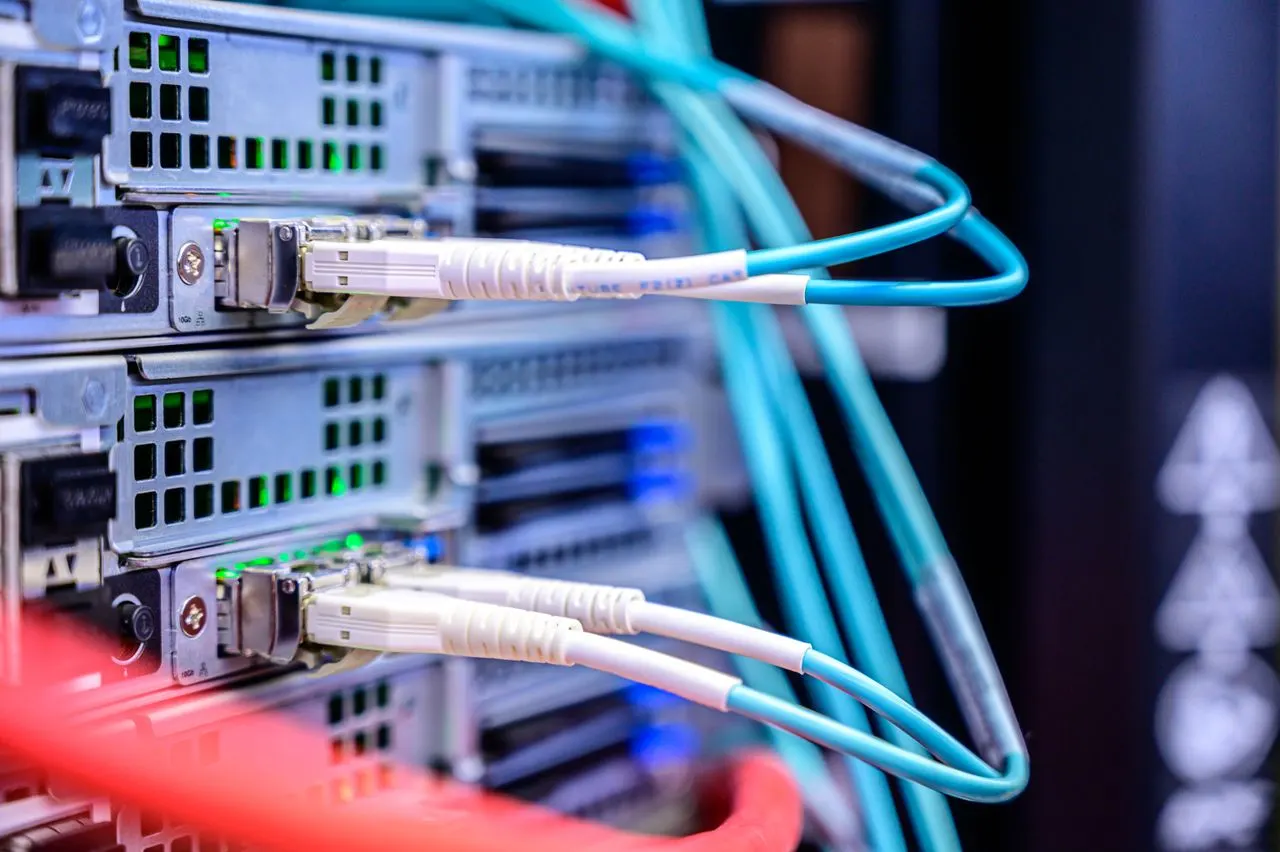
Our engineers build InfiniBand and high-speed Ethernet fabrics with low-latency, lossless designs, so GPU-to-GPU communication never becomes the bottleneck during distributed training or large-scale inference.
We deploy parallel file systems, object storage, and data pipelines that deliver the throughput large datasets require, keeping expensive GPUs fully utilized instead of waiting for data.

FWC evaluates direct-to-chip and other liquid cooling options against rack density, facility limits, and operating cost, then engineers a thermal design that supports future hardware generations.

We automate cluster provisioning, job scheduling, and health monitoring with MLOps tooling, while routing major capacity and spend decisions to human approvers through defined thresholds.
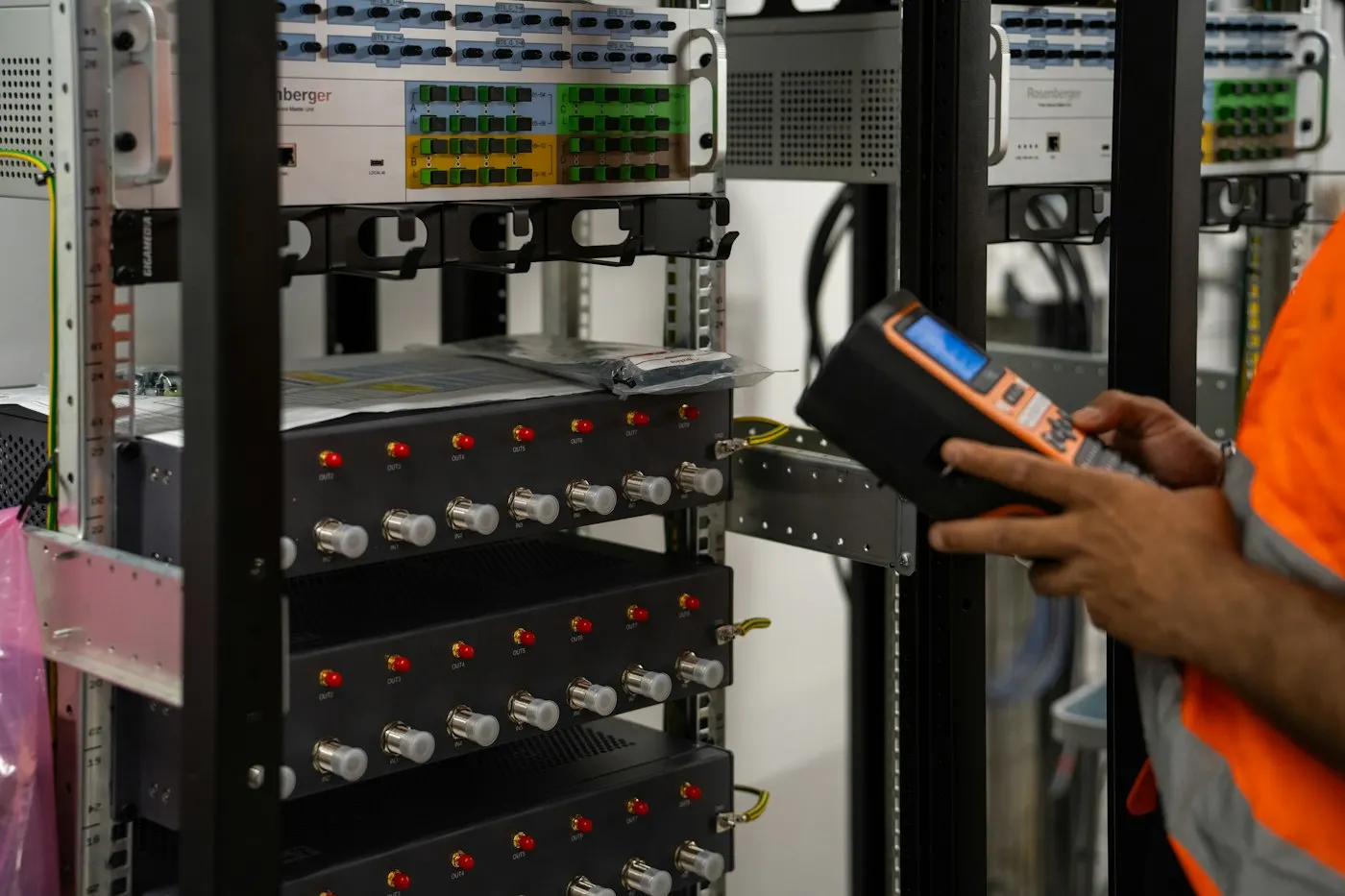
Our architects compare on-premises, colocation, and cloud GPU options on cost, performance, and data residency, then design hybrid environments that keep regulated data in approved locations.

We forecast growth from real utilization data and protect the environment with physical access controls, network segmentation, encryption, and audits before sensitive models and data are introduced.
Model workload profiles, power, cooling, and interconnect needs.
Install and configure clusters to the capacity plan.
Load-test, benchmark, and audit controls before go-live.
Monitor utilization and plan expansion against real data.
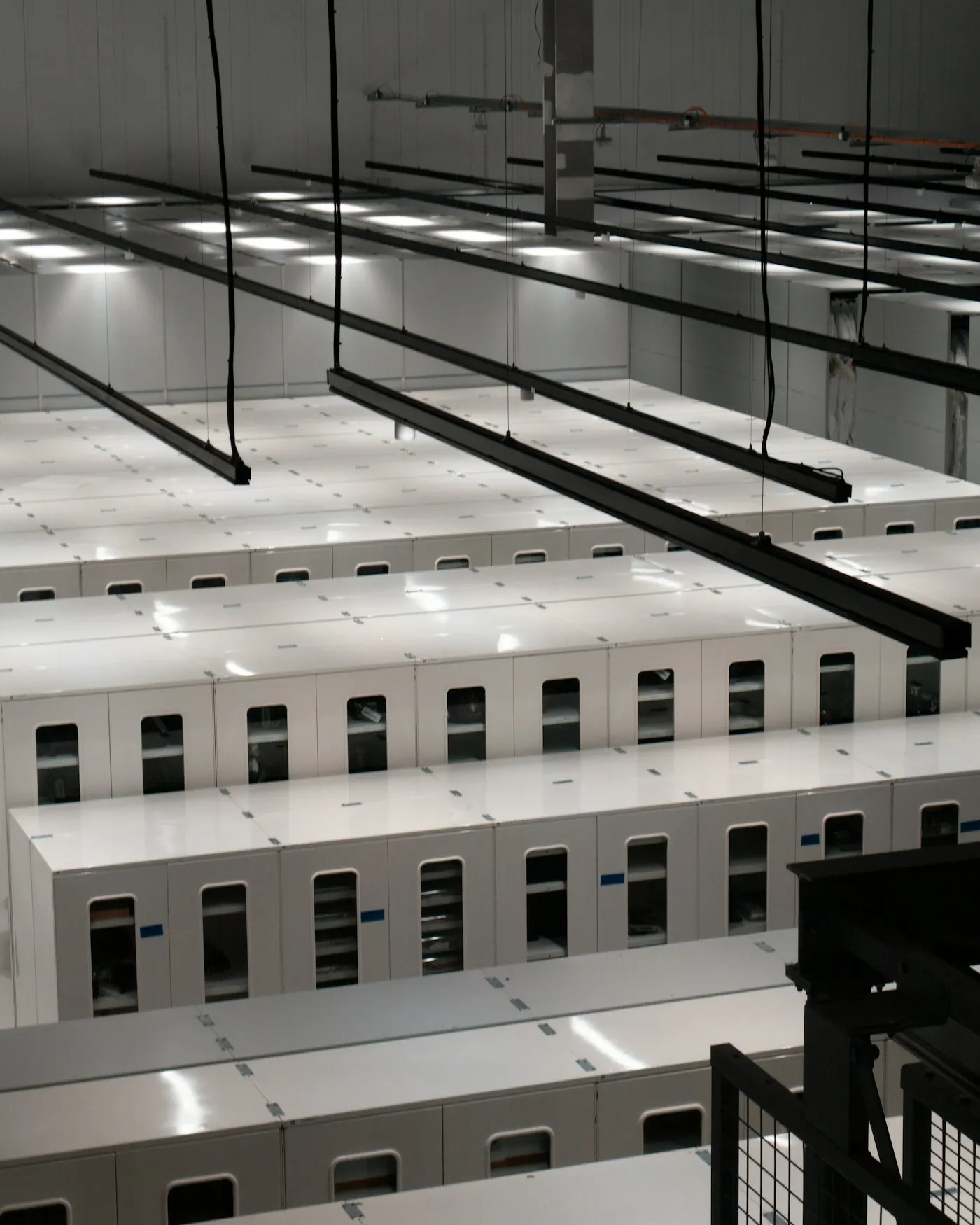
Every architecture starts from your models and data, not a generic reference design.

Bottlenecks surface in testing, not during your first major training run.

Automation scales routine operations; capacity commitments above agreed thresholds need approval.
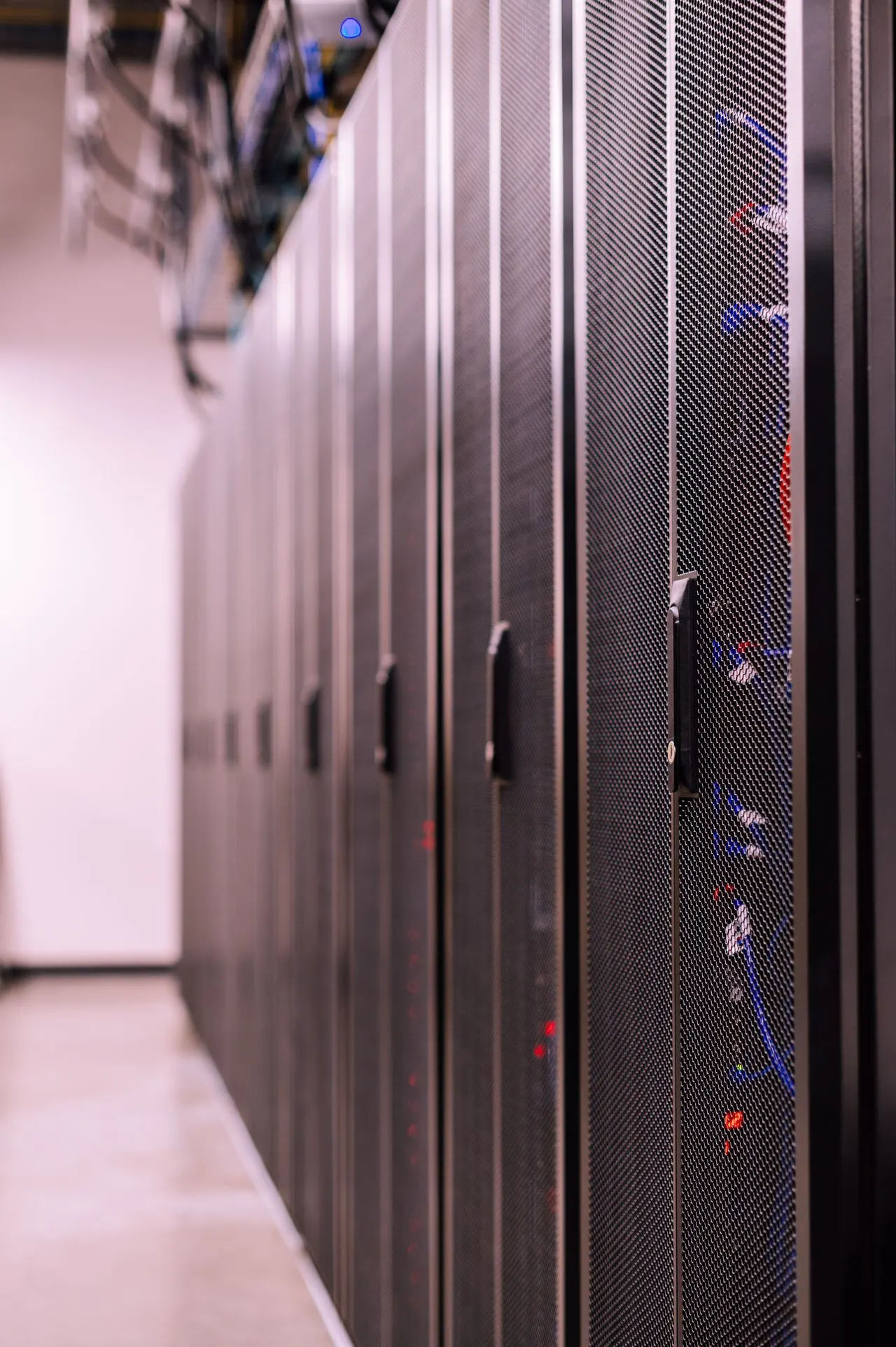
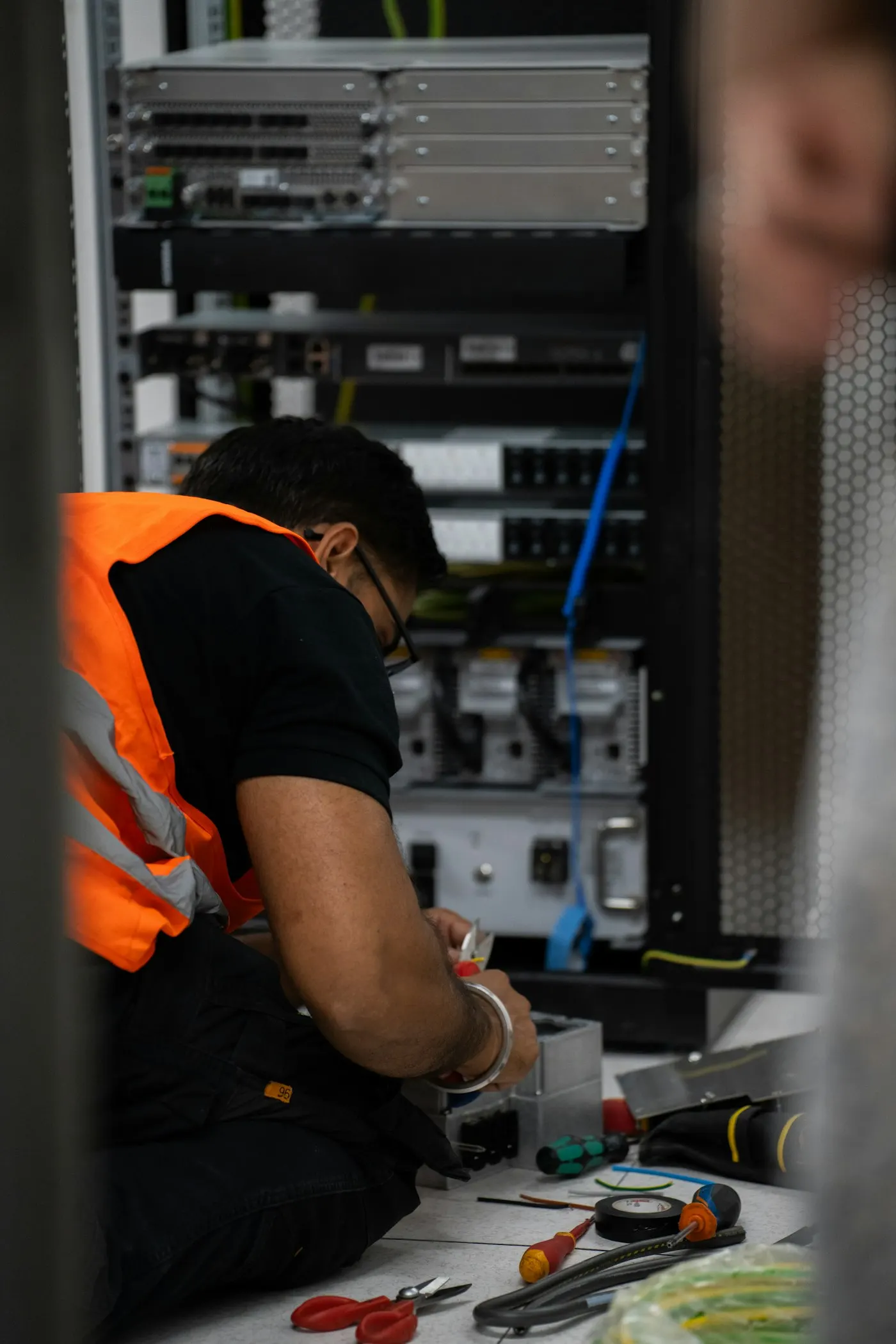
Facility, network, platform, and MLOps engineers working as one unit.
Resellers are measured on what they ship. FWC is measured on whether your workloads run. We start from model and data requirements, engineer high-density compute, InfiniBand networking, and liquid cooling as one system, and validate performance before handover. After deployment, MLOps and capacity planning keep the environment efficient, so infrastructure spending follows real utilization rather than guesswork or vendor roadmaps.

Cloud strategy, migration, application modernization on Kubernetes, DevOps pipelines, platform engineering, and FinOps across AWS, Microsoft Azure, and Google Cloud.
Explore Cloud & Infrastructure
Security assessments, 24/7 managed detection and response, identity and Zero Trust controls, cloud and application security, and audit readiness for major compliance frameworks.
Explore Cybersecurity
24/7 infrastructure monitoring, service desk, managed cloud and application operations, AIOps, and disaster recovery under clear service levels.
Explore Managed IT Services
Demand forecasting, fraud detection, risk scoring, and churn prediction models deployed with MLOps, monitoring, and explainable outputs.
Explore Predictive AI / MLConnecting consulting to growth & impact, bringing together news, insights, articles, and decisions that shape the future.

Do You Need to Modernise Legacy Systems Before Adding AI? No, you do not need to replace every legacy system before introducing AI. What matters is whether the current environment can provide the data, integration, security and performance

AI costs often rise after the pilot because production introduces more than model usage. Real workloads add users, larger context, data retrieval, APIs, retries, monitoring, storage and infrastructure. The useful question is therefore not:

Identity Security in BFSI: Managing Human, Machine and AI-Agent Access The traditional identity security question was relatively simple: Which employee should have access to which system? That question is no longer enough. A modern financia
AI data center infrastructure is compute, networking, storage, power, and cooling designed for the high density and throughput of AI training and inference, especially GPU clusters.
FWC profiles model size, dataset volume, training frequency, and inference demand, then sizes GPUs, interconnect, and storage to that profile and validates performance under load.
Often, yes. Modern GPU racks draw far more power than traditional racks, and liquid or direct-to-chip cooling is frequently the most efficient way to manage that heat.
Yes. FWC compares cost, performance, data residency, and time-to-capacity to recommend on-premises, colocation, cloud, or hybrid options.
Yes. FWC provides MLOps, monitoring, and capacity planning, so infrastructure grows with actual utilization.
FWC applies physical access controls, network segmentation, encryption, and continuous monitoring, and audits controls before production workloads and sensitive training data are introduced.
Tell us the outcome you need. An FWC architect will map the fastest governed path to get there.